
Pruning
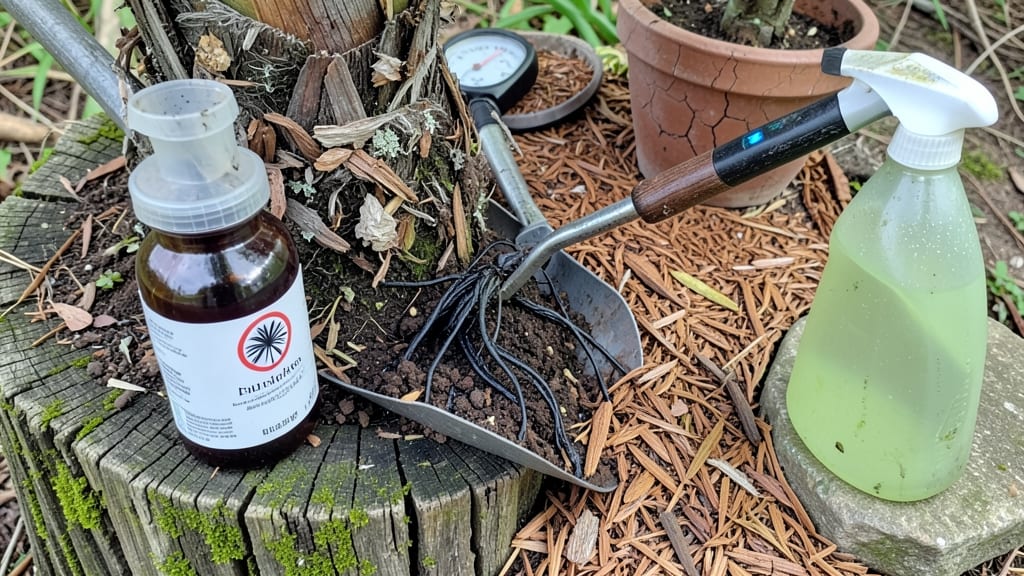
The palm tree killer starts with a single brown frond—then spreads like a silent takeover. 🌿 The real culprit? Often dormant-season neglect, where improper trimming or missed care lets fungal diseases (Ganoderma) or pests (palm weevils) move in unnoticed.
I’ve seen healthy palms turn into hollow shells in just 6 months—but the fix isn’t complicated once you know the signs.
First, check for trunk rot (mushrooms at the base) or wilting fronds that won’t recover—classic red flags. Poor drainage, overwatering, or old pruning wounds create the perfect storm. The good news?
Dormant season (winter) is the best time to trim dead fronds before pests or fungi exploit weak spots. I use sterilized tools and seal cuts with pruning sealant to block infections.
You’ll restore growth by cutting out only dead fronds (never healthy ones) and improving airflow around the trunk. For fungal issues, a copper-based fungicide applied in late winter stops the spread.
Severe cases? Sometimes removal is kinder than watching it die. The payoff? A palm that stays vibrant for years instead of collapsing by summer.
Climate matters—humid zones need extra vigilance, while drier areas focus on soil moisture. Start with a quick inspection: if the trunk is soft or oozing, it’s too late for fixes.
But catch it early, and you’ll have a thriving palm by spring. Here’s how to diagnose your tree’s exact problem.
Why it happens
When palm trees suddenly wilt, brown, or die back—especially after dormancy—it’s rarely just bad luck. The "palm tree killer" often stems from a mix of environmental stress, improper care, and biological vulnerabilities.
Understanding these root causes helps you intervene before it’s too late. Here’s why your palms might be struggling, broken down by the most common triggers.
🌡️ Extreme Temperature Shifts During Dormancy
Palm trees are tropical or subtropical plants, meaning they thrive in consistent warmth. When winter rolls in, many palms enter a dormant-like state, slowing growth but not shutting down completely. The real problem? Rapid temperature swings—especially drops below 40°F (4°C)—can shock the tree’s vascular system, causing:
- Cold-induced leaf scorch: Fronds turn brown and crispy at the edges due to ice crystal formation in cells, disrupting water flow.
- Root freeze damage: Soil doesn’t insulate roots like air insulates leaves. If the ground freezes, roots literally burst from expanding ice, starving the tree of nutrients.
- Fungal invasion: Weakened palms become prime targets for Phytophthora (a water mold) or Thielaviopsis, which thrive in cold, wet conditions.
Actionable fix: Mulch heavily (4–6 inches of organic mulch) before winter and avoid trimming in fall. If frost is forecasted, wrap the trunk with burlap or use tree blankets for young palms.
💧 Overwatering Or Poor Drainage
Palms hate soggy roots. While they need regular water, their native habitats (think sandy soils of Florida or coastal regions) are well-draining. When dormancy hits, overzealous watering—or compacted, clay-heavy soil—creates the perfect storm for:
- Root rot: Fungi like Fusarium or Pythium multiply in waterlogged soil, suffocating roots and blocking nutrient uptake.
- Nutrient leaching: Excess water washes away essential minerals (e.g., potassium, magnesium) from the root zone.
- Salt buildup: If you’re using tap water with high sodium content, salts accumulate in the soil, burning roots over time.
Actionable fix:
- Test your soil’s drainage: Dig a 12-inch hole, fill it with water, and time how long it takes to drain. If it’s more than 6 hours, amend with perlite or sand.
- Water deeply but infrequently—aim for 1–2 inches per week in dormancy, adjusting for rain.
- Flush the soil annually with rainwater or distilled water to reduce salt buildup.
✂️ Improper Pruning Timing Or Technique
Trimming palms at the wrong time—or using the wrong method—can accelerate decline, especially during dormancy. Here’s why:
- Late-season pruning: Removing fronds in fall or winter leaves the tree vulnerable to cold with fewer leaves to photosynthesize. It also exposes the crown to frost damage.
- Over-pruning: Cutting more than 1/3 of the fronds at once stresses the tree, depleting its energy reserves before spring.
- Wrong cuts: Leaving stubs or cutting into the leaf petiole base (the "heel") creates entry points for bacterial infections.
Actionable fix:
- Prune only in early spring (just before new growth) or late summer.
- Use sterilized tools (70% isopropyl alcohol) and cut cleanly at the frond base, leaving the "heel."
- Avoid "topping" palms—never cut the crown to reduce height.
🐜 Pest Or Disease Invasion
Dormant palms are weaker and more susceptible to pests and pathogens. The most destructive culprits include:
| Pest/Disease | How It Attacks | Signs to Watch For |
|---|---|---|
| Texas Phoenix Palm Mite | Mites burrow into leaf tissue, disrupting nutrient flow and causing fronds to yellow and die. | Sticky residue on fronds, brown streaks along leaf veins. |
| Ganoderma Butt Rot (Fungal) | Invades through trunk wounds, blocking water transport. Spreads slowly but fatally. | White, shelf-like fungus at the base, oozing sap. |
| Palm Weevil Larvae | Larvae eat the heart of the palm, causing sudden collapse. | Fronds yellow and wilt rapidly, sawdust-like frass at the base. |
Actionable fix:
- Inspect palms monthly for early signs (use a flashlight to check crevices).
- Apply horticultural oil (for mites) or systemic fungicides (like Propiconazole) in early spring.
- Seal pruning wounds with pruning sealant to prevent fungal entry.
🌱 Nutrient Deficiencies Or Imbalances
Palms are heavy feeders, especially during active growth. But dormancy can mask deficiencies until it’s too late. Common deficiencies include:
- Potassium (K): Causes yellowing leaf edges and weakens cold resistance.
- Magnesium (Mg): Leads to interveinal chlorosis (yellow patches between veins).
- Zinc (Zn): Results in stunted growth and small, distorted fronds.
Soil pH imbalances (too acidic or alkaline) also block nutrient uptake. Most palms prefer a slightly acidic to neutral pH (6.0–7.0).
Actionable fix:
- Test soil in early spring and amend with balanced palm fertilizer (e.g., 8-2-12 or 6
Stopping the Spread Now
Palm tree decline—often called the "palm tree killer"—can feel like a slow-motion disaster, but the good news is that early action can save your trees. The key is identifying the root cause (or causes) and applying targeted fixes.
Below, we break down practical solutions for the most common culprits, from fungal infections to environmental stress, plus prevention tips to keep your palms thriving.
If your palm is showing brown fronds, oozing lesions, or a musty smell, fungal pathogens like Phytophthora or Ganoderma are likely to blame.
🔪 Step 1: Remove Infected Fronds & Debris
- Cut out all diseased fronds at the base (not just the tips) using sterilized pruners (wipe with rubbing alcohol between cuts).
- Bag and discard infected material immediately—do not compost it.
- Pro Tip: 💡 If the trunk is soft or spongy, the fungus may have spread internally.
In this case, removal may be the only option to prevent spread.
🌡️ Step 2: Improve Airflow & Drainage
- Thin out dense fronds to allow airflow (fungi thrive in humid, stagnant conditions).
- Check soil drainage: If water pools around the base, amend soil with sand or gravel to improve aeration.
- Avoid overhead watering—use drip irrigation or soaker hoses to keep fronds dry.
🛡️ Step 3: Apply Fungicide (If Needed)
- For Phytophthora (common in waterlogged soils), use a copper-based fungicide like Copper Sulfate or Chlorothalonil.
- For Ganoderma (trunk rot), preventative trunk injections with propiconazole (consult a arborist) may help in early stages.
- Reapply every 4–6 weeks during rainy seasons.
✨ Prevention Tips
- Inspect palms monthly for early signs (yellowing, black spots, or frond droop).
- Mulch properly: Use wood chips (not bark) 2–3 inches deep, keeping it 6 inches away from the trunk.
- Test soil pH—fungi love acidic soils (aim for 6.0–7.0).
If your palm is struggling due to cold, drought, or poor soil, it’s often a matter of reversing the damage with better growing conditions.
💧 Step 1: Water Correctly
- Overwatering? Let soil dry 2–3 inches deep before watering again.
Use a moisture meter if unsure. - Underwatering? Deep-water once a week (or more in extreme heat) and mulch heavily to retain moisture. - Pro Tip: 🌡️ Avoid wetting fronds—this encourages fungal growth. Water at the base only.
☀️ Step 2: Protect from Temperature Shocks
- Cold damage? If temps drop below 30°F (-1°C), cover young palms with burlap or frost cloth at night.
- Heat stress? Provide afternoon shade (especially for tropical palms) and increase watering during dry spells.
- Wind exposure? Plant palms sheltered from prevailing winds or use windbreaks (like bamboo screens).
🌱 Step 3: Feed & Fertilize Smartly
- Use a palm-specific fertilizer (high in potassium and magnesium) once in early spring and again in summer.
- Avoid high-nitrogen fertilizers—they promote frond growth but weaken roots.
- Slow-release options (like Osmocote) reduce burn risk.
🔄 Prevention Tips
- Monitor weather forecasts and prepare for freezes or heatwaves in advance.
- Avoid compacted soil—palms hate heavy, clay-like conditions. Aerate annually if needed.
- Repot young palms every 2–3 years to refresh soil nutrients.
If you spot sap-sucking insects (like palm weevils, mealybugs, or scale), they can weaken your tree over time.
🕵️ Step 1: Identify the Pest
- Palm weevils? Look for frass (sawdust-like debris) at the base or hollowed-out crowns.
- Mealybugs/scale? Check undersides of fronds for white cottony masses or brown bumps.
- Spider mites? Tiny webs on fronds and speckled yellowing.
🧴 Step 2: Apply Targeted Treatments
| Pest | Treatment |
|---|---|
| Palm Weevil | Systemic insecticide (like Imidacloprid) injected into the trunk. |
| Mealybugs | Neem oil spray or horticultural oil (apply at dusk). |
| Scale | Dormant oil (apply in winter when pests are less active). |
| Spider Mites | Strong spray of water (disrupts webs) + miticide (like Akarin). |
🛡️ Step 3: Prevent Future Infestations
- Inspect new plants before bringing them home (quarantine for 2 weeks if possible).
- Encourage natural predators (like ladybugs) by planting companion flowers (e.g., marigolds).
- Keep the area clean—remove dead fronds and debris where pests hide.
If your palm is already weakened, these quick fixes can help it bounce back:
- 🍃 Trim strategically: Remove only dead or dying fronds—never more than 1/3 of the crown at once.
- 💦 Hydrate deeply: Soak the root zone slowly (1–2 hours) to encourage deep water uptake.
- 🌱 Boost soil health: Mix in compost or worm castings for a nutrient boost.
- ☀️ Provide shade temporarily if the palm is struggling to recover in hot climates.
Final Pro Tip: 🎯 When in doubt, consult an arborist. Some issues (like Ganoderma trunk rot) may require professional intervention before they become irreversible. Early action is your best defense!
Frequently asked questions about palm tree decline
What are the first signs my palm tree might be infected by "palm tree killer" diseases?
Watch for yellowing fronds that don't recover, black or brown spots on leaves, and oozing sap from the trunk. Early fungal signs include white shelf-like fungus at the base (Ganoderma), while pests like palm weevils show sawdust-like frass at the trunk. Check undersides of fronds for sticky residue too.
Can I save a palm with trunk rot (Ganoderma)?
In early stages, you can try sterilized pruning to remove infected fronds and applying copper fungicide. However, if the trunk feels soft or hollow, the fungus has likely spread internally. At this point, removal is often the kindest option to prevent spreading to nearby palms.
Is it safe to trim palm trees during winter dormancy?
No, winter pruning stresses already dormant palms. Always wait until early spring (just before new growth) or late summer. Cut only dead fronds at the base, leaving the "heel," and sterilize tools between cuts to prevent infections. Never remove more than 1/3 of the crown at once.
How do I know if my palm needs more water or less?
Check soil moisture 2-3 inches deep—if it's damp, reduce watering. For underwatering, look for dry, crispy frond tips and soil pulling away from the pot. In dormancy, palms need 1-2 inches of water weekly, but adjust for rain. Overwatering causes yellowing fronds and root rot.
What's the best way to prevent palm weevil infestations?
Inspect palms monthly for early signs (frass at base, wilting fronds). Use systemic insecticides like Imidacloprid if infested, and apply pruning sealant to all cuts. For prevention, keep the area clean, avoid overwatering, and plant marigolds nearby to attract natural predators.