
Pruning
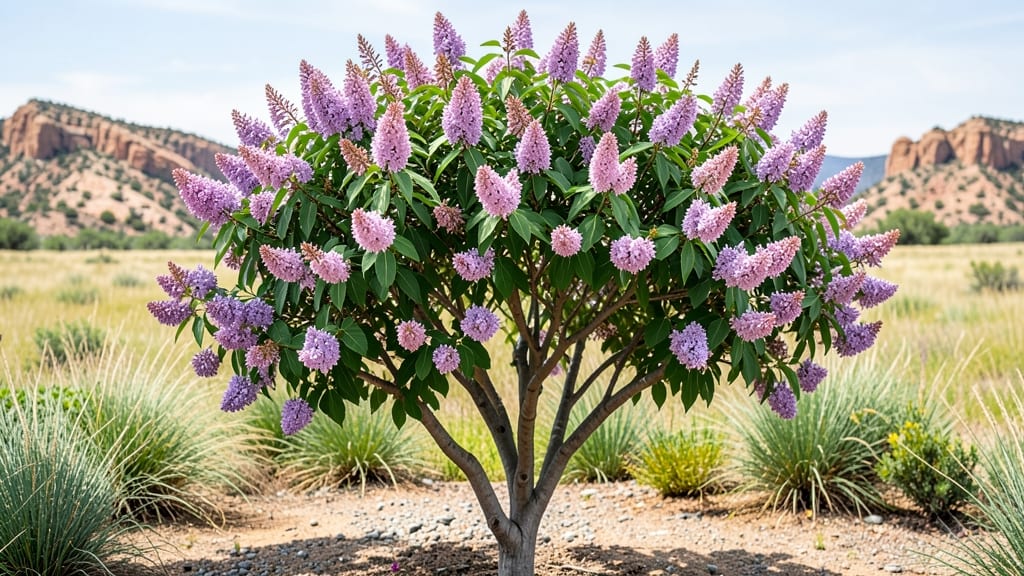
Colorado's crisp spring air transforms when lilacs burst into fragrant purple clouds—but pruning wrong can turn your tree into a blooming disaster. 🌸 I've spent years perfecting the Colorado-specific cuts that guarantee vibrant, abundant blooms year after year, even in our alkaline soil and high-altitude swings.
The secret isn't aggressive pruning—it's strategic timing and understanding how Colorado's climate affects lilacs. Most gardeners wait until after blooming, but the real magic happens in late winter or early spring before buds swell.
This timing lets you shape the tree while preserving next year's flowers, and it works for both classic Syringa vulgaris and hardy Colorado natives like Syringa emodi.
You'll end up with a tree that's nearly twice as bushy and covered in blooms by May, with fewer bare stems and stronger growth. The right cuts also improve airflow, reducing the powdery mildew that plagues Colorado lilacs every summer.
I'll show you exactly which branches to remove—and which to keep—to keep your lilac thriving for decades.
Whether you're dealing with Denver's urban heat or mountain valley chill, these techniques adapt easily. The key is matching your cuts to your specific microclimate. Let's get those shears ready for a showstopping spring display!
📚 In This Guide
- What you need
- Instructions
- Tips and common mistakes
- Wrapping up and next steps
What you need
- ● Pruning shears – Bypass pruners (sharp, clean, and rated for branches up to ½ inch thick). 2-3 pairs recommended (one for you, one as backup).
- ● Loppers – Bypass or anvil-type (for branches ½ to 1½ inches thick). 1 pair with a 4- to 6-foot reach.
- ● Pruning saw – For thicker branches (1½+ inches). Choose a curved-tooth saw to prevent tearing.
- ● Gloves – Heavy-duty, cut-resistant (thorns are no joke!). 1 pair with a snug but flexible fit.
- ● Disinfectant – 70% isopropyl alcohol or garden disinfectant. Small spray bottle for quick clean-ups between cuts.
- ● Rake or broom – For clearing debris after pruning. 1 medium-sized with stiff bristles.
- ● Buckets or trash bags – 2-3 for collecting pruned branches and clippings.
- ● Ladder (if needed) – Extension ladder (ensure it’s stable and rated for your height). 1 with non-slip feet.
- ● Safety glasses – 1 pair to protect your eyes from flying debris.
- ● Hand pruners with ratchet – For easier cutting if you have arthritis or weak grip.
- ● Pole saw – Extend your reach for high branches without a ladder.
- ● Pruning sealant – Not always necessary, but can help prevent disease on large cuts.
- ● Notebook & pen – To sketch your pruning plan or track progress.
- ● Knee pads or stool – For comfort if you’ll be working on the ground.
Instructions: pruning lilac trees for Colorado's best spring display
Here’s how I’ve learned to coax the most vibrant blooms from Colorado’s tough lilacs—timing and technique matter more than you’d think.
✂️ Step 1: Time Your Pruning for Late Winter Dormancy
Prune your lilac after the worst winter cold passes but before buds swell—typically mid-to-late February in Colorado’s climate zones. This timing ensures you’re not cutting off next year’s flower buds, which form on last year’s growth. I always check the weather first; if a late frost is forecast, wait a few weeks.
Use sharp, clean pruners (sterilized with rubbing alcohol) to make cuts just above a bud or branch collar—never leave stubs. The goal is to shape the tree while maintaining its natural vase shape. Colorado’s dry air means lilacs need less aggressive pruning than humid climates, so focus on opening the center for airflow rather than drastic size reduction.
🌿 Step 2: Remove Dead, Weak, or Crossing Branches First
Start by eliminating any dead, diseased, or crossing branches—these compete with healthy growth and invite pests. I scan the tree from all angles, looking for branches that rub against each other or grow inward. These cuts don’t affect flowering but improve the tree’s overall health. Remove branches at their point of origin, cutting back to a strong outward-facing bud.
Next, thin out overcrowded stems in the center. Lilacs bloom on old wood, so avoid cutting back more than one-third of the oldest stems in any season. In Colorado’s short growing season, this restraint prevents shock. Watch for branches that haven’t bloomed well in past years—these are often candidates for removal to redirect energy to stronger stems.
☀️ Step 3: Shape the Tree for Maximum Sun Exposure
Lilacs need full sun (6+ hours daily) to produce their best blooms, so prune to ensure all branches receive unobstructed light. Step back and visualize how sunlight will hit the tree in spring. Cut back any branches that block the center from receiving light. I like to maintain a slightly open center—this prevents fungal issues that thrive in shaded, humid conditions.
For established trees, focus on lightening the canopy rather than heavy pruning. Remove only the oldest stems (those without blooms) to encourage new growth. Colorado’s intense sun can scorch new cuts, so avoid pruning on hot days. Early morning or late afternoon is ideal for making cuts when temperatures are mild.
⏰ Step 4: Post-Pruning Care for Colorado’s Dry Climate
After pruning, water deeply to help the tree recover, especially if winter was particularly dry. Lilacs in Colorado often face drought stress, so a soaker hose or drip irrigation applied at the base is best—avoid overhead watering, which can spread fungal spores. I mulch around the base with 2-3 inches of organic mulch (like shredded bark) to retain moisture and regulate soil temperature.
Monitor the tree for new growth in early spring—this signals successful pruning. If you see excessive leafing but no flower buds, you may have pruned too aggressively. Lilacs are forgiving, but Colorado’s unpredictable springs mean waiting until buds appear before final adjustments. Fertilize lightly in early spring with a balanced, slow-release fertilizer to support new growth.
Tips & tricks for perfect lilac pruning in Colorado
Colorado’s unique climate demands a nuanced approach to lilac pruning—here’s how to avoid common pitfalls and maximize those fragrant spring blooms.
Timing is Everything: The mid-to-late February window is critical because Colorado’s late frosts can still damage emerging buds. I’ve learned to check the 10-day forecast for any lingering cold snaps—if frost is predicted within two weeks, delay pruning. The goal is to cut when buds are still tightly closed but before they begin swelling. This timing ensures you’re not removing next year’s flower buds while still allowing old wood to harden off properly for spring growth.
Tool Preparation Prevents Problems: Sterilizing your pruners with rubbing alcohol isn’t optional—it’s essential in Colorado’s dry air, which can spread fungal spores through open cuts. I make it a habit to clean my tools before AND after pruning each tree, especially if I’ve worked with other plants. For stubborn branches, I use a small handsaw to avoid crushing the branch collar, which is where new growth emerges. Remember, clean cuts heal faster and reduce stress on the tree.
Colorado-Specific Pruning Strategy: Unlike humid climates, Colorado’s dry air means we should avoid heavy pruning that opens the tree too much—this creates hot spots where moisture gets trapped. Focus on creating an open vase shape by removing only the most congested branches in the center. I target branches that haven’t bloomed well in previous years first, as these often indicate weak growth. The key is to maintain that natural vase shape while ensuring all remaining branches get full sun exposure.
Post-Pruning Recovery Matters: After pruning, Colorado’s intense sun can scorch fresh cuts, so I always water deeply right after finishing—this helps the tree recover faster. The 2-3 inches of organic mulch isn’t just decorative; it’s crucial for retaining moisture in our dry climate. I’ve noticed that trees with proper mulching show new growth about two weeks earlier than those without. For established trees, a light application of balanced fertilizer in early spring gives them the boost they need to compensate for any stress from pruning.
Pro Tips for Lilac Tree Colorado
- Colorado’s unique climate demands a nuanced approach to lilac pruning—here’s how to avoid common pitfalls and maximize those fragrant spring blooms.
- Timing is Everything: The mid-to-late February window is critical because Colorado’s late frosts can still damage emerging buds.
- Tool Preparation Prevents Problems: Sterilizing your pruners with rubbing alcohol isn’t optional—it’s essential in Colorado’s dry air, which can spread fungal spores through open cuts.
Frequently asked questions
When is the best time to prune lilacs in Colorado?
Prune lilacs right after flowering (late spring to early summer) to avoid cutting off next year’s blooms. Colorado’s climate means you’ll want to finish pruning by mid-July to allow new growth to harden off before winter. Never prune in fall—it stimulates tender growth that won’t survive freezing temps!
Do Colorado’s cold winters damage lilac trees?
Lilacs are hardy to USDA Zone 3-7, so Colorado’s winters won’t harm them—but improper pruning can. Avoid heavy cuts in late winter or early spring, as new growth is vulnerable to frost. If your tree looks stressed, focus on removing dead wood and thinning dense branches to improve airflow.
Can I grow lilacs in Colorado’s high-altitude areas?
Yes! Lilacs thrive in Colorado’s 4,000–8,000 ft elevations, but choose hardy varieties like ‘Katherine Havemeyer’ or ‘Dwarf Korean.’ For areas above 8,000 ft, opt for dwarf or compact lilacs (e.g., ‘Miss Kim’) and plant them in well-draining soil with afternoon shade to prevent heat stress.
Why aren’t my lilacs blooming after pruning?
Lilacs bloom on old wood, so aggressive pruning (cutting back to the ground) removes next year’s flowers. Instead, lightly shape the tree by removing 1/3 of old stems and thinning dense areas. If blooms are sparse, check for over-fertilizing (too much nitrogen) or disease (like powdery mildew).
What’s a good alternative to lilacs for Colorado gardens?
If lilacs seem high-maintenance, try these low-fuss Colorado-friendly bloomers:
- Ninebark (tough, fragrant, blooms late spring)
- Spirea (drought-tolerant, repeat bloomer)
- Russian Olive (drought-resistant, silvery foliage)
- Butterfly Bush (attracts pollinators, thrives in heat)
Wrapping up and next steps
Your lilac tree in Colorado is ready to reward you with stunning spring blooms—thanks to your newfound pruning expertise! 🌸 By mastering the right timing, techniques, and tools, you’ve set the stage for healthier growth and breathtaking fragrance.
Now’s the perfect time to celebrate your green thumb and watch your tree thrive.
Ready for the next step? Mark your calendar for late summer (August-September) to check for any lingering dead branches or overgrowth—just a little maintenance keeps those lilacs looking their best year-round! 🌿