
Plants
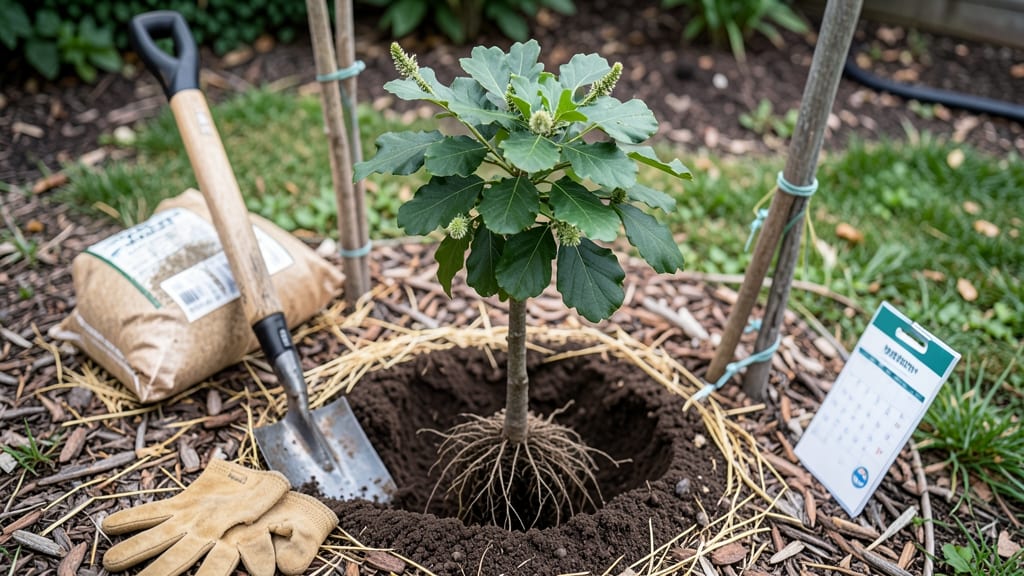
The best time to plant a tree in Colorado depends on your climate zone, but fall and early spring are the two golden windows—especially in zones 5-7 where frost and drought play critical roles.
Picture this: You’ve just planted your dream 🌳 on a 90-degree summer day, only to watch it struggle through Colorado’s dry winds and poor soil moisture. That’s why timing matters more than most gardeners realize—especially when you’re dealing with the Front Range’s thin soil or the Western Slope’s arid conditions.
In this guide, I’ll break down the exact planting windows for Colorado’s five climate zones, from the high-altitude mountains to the Eastern Plains, so you can avoid common mistakes like planting too early (risking frost damage) or too late (limiting root growth before winter).
You’ll also discover which native trees thrive in each zone, how to prep your soil for maximum success, and the one trick that keeps young trees alive through Colorado’s unpredictable weather—no guesswork, just science-backed timing.
Colorado’s best tree planting seasons: spring vs fall breakdown by climate zone
Colorado’s diverse climate zones create wildly different conditions for tree planting—what works in Denver’s Front Range may fail in Grand Junction’s Western Slope. The key to success lies in matching your planting window to your local microclimate, soil moisture, and frost patterns.
While fall planting is often ideal, spring offers a second chance for certain species and regions. Let’s break down the best months and conditions for each of Colorado’s five distinct zones.
Timing isn’t just about months—it’s about soil temperature, moisture availability, and avoiding extreme heat or frost. In high-altitude zones, like the Rocky Mountains, the growing season shrinks dramatically, while low-lying areas like the Eastern Plains face intense summer drought.
Understanding these nuances ensures your tree establishes strong roots before winter or summer stress sets in.
Fall planting (September–October) is generally preferred because cooler temperatures reduce transplant shock, while spring planting (March–April) gives trees time to establish before summer heat. However, the Western Slope’s dry climate may require earlier fall planting, while mountainous regions might push planting into late spring to avoid early frosts. Let’s dive into the specifics for each zone.
| Climate Zone | Best Fall Planting Window | Best Spring Planting Window | Soil Conditions | Moisture Needs | Key Considerations |
|---|---|---|---|---|---|
| Front Range (Denver, Boulder) | Mid-September to early October | Mid-April to early May | 60–70°F soil temp, well-draining | Moderate (supplemental watering needed) | Watch for late frosts in spring; mulch heavily |
| Western Slope (Grand Junction, Aspen) | Late August to mid-September | Early April to mid-May | 55–65°F soil temp, rocky soil common | Low to moderate (drought-prone) | Plant earlier in fall to avoid summer drought |
| Eastern Plains (Pueblo, Lamar) | Early September to mid-October | Late March to early April | 65–75°F soil temp, sandy loam | Moderate to high (irrigated areas preferred) | Wind exposure requires extra mulch |
| San Luis Valley (Alamosa, Monte Vista) | Mid-September to late October | Late April to early June | 50–60°F soil temp, alkaline soil | High (frequent watering needed) | High elevation delays root establishment |
| Mountains (Estes Park, Leadville) | Late September to early October | May to early June | 45–55°F soil temp, rocky/peaty | Moderate (snowmelt helps) | Short growing season—choose cold-hardy species |
In the Front Range, where Denver and Boulder reside, fall planting from mid-September to early October aligns with cooler temperatures and natural rainfall. Spring planting should wait until mid-April to avoid late frosts, which can damage tender new growth.
The soil here is typically well-draining but benefits from organic amendments like compost to retain moisture during Colorado’s dry spells.
For the Western Slope, including Grand Junction and Aspen, the window narrows due to earlier drought stress. Plant in late August to mid-September to take advantage of residual summer moisture, or in early April when soil warms.
This region’s rocky soil often requires additional mulch to protect roots from temperature swings.
The Eastern Plains, home to Pueblo and Lamar, offer a slightly longer fall window (early September to mid-October) thanks to warmer soil.
However, spring planting must happen by late March to avoid windburn and rapid evaporation. Irrigation is often necessary here, as the sandy loam drains quickly.
High-altitude areas like the San Luis Valley and Rocky Mountains demand patience. Fall planting extends into late October to capitalize on cooler temps, while spring planting can’t start until May in the mountains. Soil temperatures hover around 50°F, so cold-hardy species like Engelmann spruce or quaking aspen thrive best.
Regardless of your zone, always water deeply after planting and apply 2–4 inches of mulch to conserve moisture. Avoid planting during extreme heat or frost, and choose native species like Colorado blue spruce or plains cottonwood for the best adaptation to local conditions.
Pro tip: Use a soil thermometer to confirm temperatures—ideal planting soil should be at least 50°F for most species. This small investment can mean the difference between a thriving tree and a struggling one.
Critical factors that determine the perfect planting time in Colorado
Colorado’s variable climate means planting a tree at the wrong time can lead to root shock or winter burn. Beyond just seasons, factors like soil temperature, elevation-based frost dates, and tree type dictate the ideal window.
For example, bare-root trees need cooler soil, while container-grown trees adapt faster to warmer conditions.
Soil temperature is the #1 factor—wait until it reaches 50°F+ at a 6-inch depth. In Denver, this typically happens by mid-April, but in high-altitude areas like Aspen, soil may not warm until late May. Using a soil thermometer ($10 at garden centers) eliminates guesswork.
Container-grown trees offer flexibility—you can plant them year-round in Colorado, provided soil isn’t frozen or baking hot. However, bare-root trees demand precision: plant them in early spring (before buds swell) or fall (6-8 weeks before first frost).
For example, a blue spruce planted in July in Denver risks heat stress, while the same tree planted in October thrives.
Drought is Colorado’s silent killer. In arid zones like the Western Slope, prioritize fall planting to leverage winter snowpack. Front Range gardeners should water deeply after planting (10-15 gallons per tree) and mulch heavily (3-4 inches) to retain moisture.
Native species like quaking aspen or Ponderosa pine handle drought better than non-natives.
Adjust your timeline if you’re outside optimal windows. For example, planting in late spring? Choose shade-tolerant species like serviceberry and water twice weekly.
Planting in winter? Use burlap-wrapped trees and avoid frozen ground. Always check local CoCoRaHS frost maps—they’re free and save you from costly mistakes.
Pro tip: Test your soil with a moisture meter ($20) before planting. If it reads dry below 6 inches, delay until after a soaking rain. Colorado’s microclimates mean your neighbor’s perfect timing might fail for you—adjust for sun exposure, wind patterns, and soil type.