
Pruning
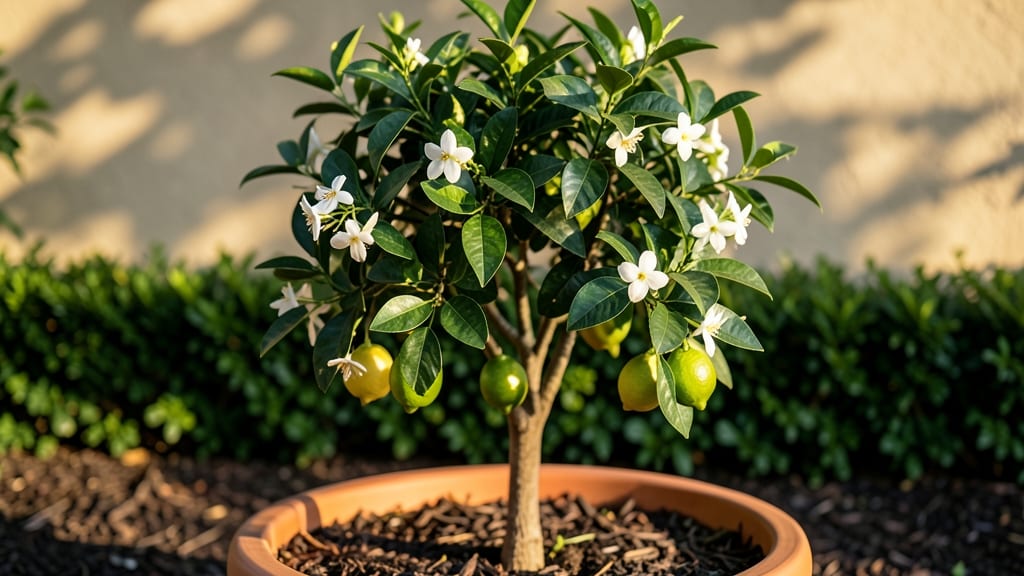
Surviving lemon trees in Zone 6 requires strategic cold protection, starting with cold-hardy varieties like 'Meyer' or 'Ponderosa,' plus winter wraps, indoor relocation during freezes, and smart mulching to create protective microclimates.
Zone 6's winters can drop to 0°F or lower, which is lethal for most citrus trees—but the right approach turns survival into possibility. 🌱 The key is understanding your tree's vulnerabilities: tender new growth and shallow roots are the first to suffer when temperatures plunge.
I've seen Meyer lemons thrive in Zone 6b with consistent protection, while Eureka varieties often need extra shelter. The magic happens in layers: thick mulch insulates roots, frost cloth traps warmth, and container trees gain mobility to escape frost pockets.
What sets successful growers apart is their attention to detail during critical transitions. For example, pruning in late summer removes weak branches before winter, while avoiding heavy cuts that stress the tree.
Indoor overwintering works best when you mimic natural light cycles with grow lights—without it, your tree may drop leaves or stop producing fruit. The payoff? A healthy tree ready to burst into bloom when spring arrives.
💡 In This Article
- How Cold Weather Affects Lemon Trees in Zone 6
- Zone 6 Lemon Tree Survival: Step-by-Step Winter Care Guide
How cold weather affects lemon trees in Zone 6
Lemon trees are native to subtropical climates where temperatures rarely drop below 40°F, making them highly sensitive to Zone 6's harsh winters. The primary damage mechanism is chilling injury, which occurs when cell membranes rupture due to ice crystal formation in the plant's tissues.
This typically happens at 28°F or lower, though some hardy varieties like 'Meyer' can tolerate brief dips to 15°F with protection. The roots are particularly vulnerable because they lack the protective bark of the trunk and canopy.
Frost also triggers dormancy-like responses in lemon trees, though they don't enter true dormancy like deciduous trees. Instead, they slow metabolic processes to conserve energy, which can lead to leaf drop and stunted growth.
When temperatures fall below 32°F, the tree's ability to photosynthesize shuts down, and any new growth becomes susceptible to frostbite. The fruit itself is especially delicate—even a light frost can cause surface pitting or internal browning, rendering lemons inedible.
What makes Zone 6 particularly challenging is the temperature fluctuation range. A sunny 50°F day followed by a -5°F night creates extreme stress. This diurnal shift forces the tree to constantly adjust its cellular processes, which weakens its overall resilience.
The bark of lemon trees also lacks the protective lenticels found in temperate trees, making them more prone to cold-induced cracking when moisture gets trapped under the bark during freeze-thaw cycles.
Here's what happens at different temperature thresholds:
- Above 40°F: Lemon trees remain active but grow slowly
- 32-40°F: Growth halts, leaves may yellow slightly
- 28-32°F: Chilling injury begins in tender new growth
- Below 28°F: Extensive cell damage occurs, often fatal without protection
The most critical damage occurs when frost forms on the canopy while roots remain in warmer soil. This creates a temperature gradient that disrupts the tree's water transport system, leading to desiccation. In my experience with Zone 6b gardens, trees that survive their first winter often develop hardier bark in subsequent years, but fruit production typically takes 2-3 years to recover fully after severe cold exposure.
Understanding these mechanisms helps explain why some lemon trees thrive in Zone 6 while others fail spectacularly. The key difference often comes down to microclimate selection—trees planted in south-facing locations with afternoon sun exposure show significantly better cold tolerance than those in frost pockets.
The sun's angle in winter provides just enough warmth to prevent severe chilling injury during the critical daylight hours.
What's fascinating is how lemon trees respond to prolonged cold exposure versus sudden freezes. While a single night at 20°F might kill a young tree, extended periods at 30-35°F can actually help harden the tree's tissues through a process called acclimatization.
This is why gradual winter preparation—like reducing watering in fall and applying mulch—gives lemon trees their best chance at survival in Zone 6.