
Pruning
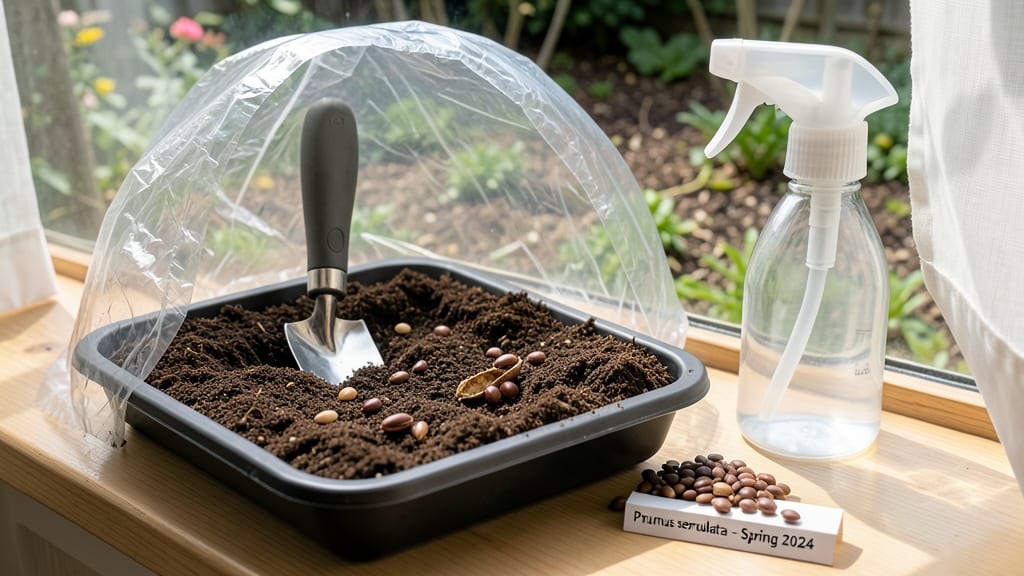
Growing Japanese cherry tree seeds from scratch means years of patience before those iconic pink blooms appear—but the journey starts with a single seed. 🌱 The first challenge is finding viable seeds, since most ornamental cherry trees are grafted cultivars that won’t breed true from seed.
Even if you succeed, expect a tree that might look nothing like its parent, with unpredictable growth habits and delayed flowering.
Germination takes 6-12 months in ideal conditions, requiring cold stratification to break dormancy. Start by soaking seeds in water for 24 hours, then mix them with damp sand or peat moss in a sealed container.
Store it in your fridge for 3-4 months—this mimics winter—and keep it slightly moist. Once sprouts appear, transplant them into pots with well-draining soil and place them in a sunny spot.
The payoff comes slowly: a seed-grown tree may take 10-15 years to bloom, compared to 3-5 years for a grafted nursery tree. But the reward is a tree uniquely yours, with its own quirks and character.
If you’re impatient—or want reliable blooms—consider buying a grafted sapling instead. Either way, the process teaches you more about cherry trees than any guide ever could.
Fair warning: Seed-grown cherries often develop weak wood and are prone to cracking in storms. If you’re serious about ornamental value, grafted trees are the safer bet. But for the adventure of watching nature’s unpredictability unfold, there’s no better challenge than starting from seed.
📚 In This Guide
- What you need
- Instructions
- Tips and common mistakes
- Wrapping up and next steps
What you need
- ● Japanese cherry tree seeds: 10–20 seeds (fresh or properly stored; avoid hybrid varieties that may not produce true-to-type trees).
- ● Well-draining potting mix: 2–3 gallons (sterilized, peat-based or coco coir blend for moisture control).
- ● Seed-starting trays or small pots: 4–6" diameter (with drainage holes).
- ● Plastic wrap or humidity dome: To retain moisture during germination.
- ● Spray bottle: For gentle watering (avoid over-saturating seeds).
- ● Grow lights or sunny windowsill: 6–8 hours of indirect light daily (south-facing is ideal).
- ● Refrigerator (for stratification): To simulate winter chilling (if seeds aren’t pre-stratified).
- ● Patience and a green thumb! 😉
- ○ Seedling heat mat (optional): Speeds up germination in cool climates.
- ● Fertilizer: Balanced liquid fertilizer (5-5-5 or 10-10-10) for seedlings after sprouting.
- ● Pruning shears: For trimming leggy seedlings later.
- ● Garden journal: To track germination dates, watering schedules, and growth milestones.
- ● Outdoor space or larger pots: For transplanting after 6–12 months (cherry trees need room to grow!).
Instructions for germinating Japanese cherry tree seeds
Here’s how to coax those stubborn seeds into life—patience and precision are key.
🌱 Step 1: Harvest and Prepare the Seeds
Collect seeds from fully ripe Japanese cherry fruits in late fall or winter. Rinse them thoroughly to remove any fruit residue, then let them dry completely for 3-5 days in a cool, shaded spot. This mimics the natural stratification process they’d experience in the wild.
Once dry, store the seeds in a sealed container with slightly damp sphagnum moss or peat moss in the fridge for 60-90 days. This cold treatment breaks dormancy—without it, germination rates plummet. Check periodically to ensure the moss stays moist but not soggy.
🌿 Step 2: Stratify and Plant for Germination
After cold stratification, plant the seeds ½ inch deep in a well-draining mix of 50% potting soil and 50% perlite. Use small pots (3-4 inches wide) to avoid overcrowding. Water gently until the soil is evenly moist, but avoid waterlogging—Japanese cherry seeds rot quickly if too wet.
Place the pots in a shaded outdoor area or under grow lights with 12-14 hours of indirect light daily. Keep the soil consistently moist, misting lightly whenever the top inch feels dry. Germination can take 4-8 weeks, so resist the urge to disturb the soil—patience is critical here.
☀️ Step 3: Transplant and Harden Off Seedlings
Once seedlings reach 3-4 inches tall and develop 2-3 true leaves, transplant them into 6-inch pots with fresh potting mix. Choose a sunny spot with at least 6 hours of direct sunlight daily, as young cherry trees need full sun to develop strong stems.
Harden off seedlings over 2-3 weeks by gradually exposing them to outdoor conditions. Start with 1 hour of shade on day one, increasing exposure daily. By week three, they should tolerate full sun. Watch for wilting—if it occurs, they’re not ready for full sun yet.
⏰ Step 4: Overwinter and Prepare for Outdoor Planting
Keep seedlings indoors or in a protected garage during winter, watering sparingly to keep soil lightly moist. In early spring, when temperatures consistently stay above 50°F, transplant them into the ground or larger containers. Space saplings 15-20 feet apart—cherry trees need room to grow.
Mulch heavily around the base with 2-3 inches of organic mulch to retain moisture and protect roots. Avoid fertilizing the first year—young trees establish better with minimal disturbance. Prune only to remove dead or crossing branches, shaping lightly to encourage a strong structure.
Tips & tricks for germinating Japanese cherry tree seeds
Here's what I've learned after years of battling stubborn cherry seeds—these tricks make all the difference between success and frustration.
Cold Treatment Precision: The 60-90 days of cold stratification in Step 1 is non-negotiable for breaking dormancy. I use a small plastic container with a tight lid to maintain consistent moisture levels—check weekly and add a spray of water if the moss feels dry. Too much moisture causes rot; too little means the seeds won't germinate. For those with limited fridge space, place the container in a dark closet with a thermometer set to 35-40°F if your fridge runs warmer.
Planting Depth Matters: When planting those precious seeds ½ inch deep in Step 2, use a pencil to make precise holes—this prevents overcrowding and ensures proper drainage. The 50/50 soil-perlite mix is crucial; perlite prevents compaction that would suffocate tender roots. I've found that gently pressing the soil around each seed (not packing) creates better contact without crushing the seed.
Light Management During Germination: The 12-14 hours of indirect light in Step 2 is perfect for preventing leggy seedlings. I use a simple LED grow light on a timer rather than natural shade, which can be inconsistent. Position the light 6-8 inches above the pots and adjust the height as seedlings grow to maintain that distance. Too little light causes weak stems; too much can scorch delicate seedlings.
Transplanting Timing: Wait until seedlings reach exactly 3-4 inches tall with 2-3 true leaves before transplanting in Step 3—this ensures they have enough energy reserves for the shock. I've learned the hard way that transplanting too early leads to stunted growth. When hardening off, I increase sunlight exposure by 30 minutes every other day rather than daily to avoid stressing the plants.
Pro Tips for Japanese Cherry Tree Seeds
- Here's what I've learned after years of battling stubborn cherry seeds—these tricks make all the difference between success and frustration.
- Cold Treatment Precision: The 60-90 days of cold stratification in Step 1 is non-negotiable for breaking dormancy.
- Planting Depth Matters: When planting those precious seeds ½ inch deep in Step 2, use a pencil to make precise holes—this prevents overcrowding and ensures proper drainage.
Frequently asked questions
Got questions about growing Japanese cherry tree seeds? You’re not alone!
Here are answers to the most common queries—from timing to troubleshooting—to help you nurture your own sakura saplings with confidence.
Can I grow a Japanese cherry tree from seeds I find under a tree?
While it’s possible, seeds from store-bought or wild cherry trees (Prunus serrulata) often don’t produce true-to-type blooms. For reliable pink/white flowers, source seeds from grafted cultivars or certified nurseries. Patience is key—seed-grown trees take 5–10 years to flower!
How long does it take for cherry tree seeds to germinate?
Germination can take 30–90 days (or longer) due to dormancy. Stratification (cold treatment) is critical: Soak seeds in water for 24 hours, then refrigerate in moist sand for 60–120 days. Warmth (65–75°F) afterward speeds up sprouting. Pro tip: Label seeds to track progress!
What’s the best climate for growing cherry tree seeds?
Japanese cherry trees thrive in USDA Zones 5–8, needing full sun (6+ hours/day) and well-draining soil. Young seedlings are frost-sensitive—wait until spring (after last frost) to transplant outdoors. In colder zones, start seeds indoors 8–10 weeks before last frost for a head start.
Why aren’t my cherry seeds sprouting? Troubleshooting tips.
No germination after stratification?
Seeds may be old or non-viable. Test with a cut test: Slice a seed—if the inside is brown, it’s dead.
Moldy or rotten seeds?
Over-moisture during stratification kills seeds. Use sand/peat mix (not waterlogged soil) and check humidity weekly.
Slow growth after sprouting?
Seedlings need bright light (not direct sun) and consistent moisture. Use a humidity dome or mist lightly.
Are there faster alternatives to growing from seeds?
Yes! Skip the wait with bare-root saplings (1–3 years old) from nurseries like MetSurabonsai or local sakura-specialty growers. Grafted trees (e.g., Somei-Yoshino) bloom in 3–5 years vs. decades from seed. Bonus: They’re disease-resistant!
Wrapping up and next steps
Growing Japanese cherry tree seeds into vibrant saplings is a rewarding journey that blends patience, care, and a touch of nature’s magic. 🌱 By following the right dormancy prep, stratification, and nurturing steps, you’ll set the stage for future blooms that’ll turn your garden into a dreamy spring spectacle.
Ready to take the next step? Start by planting your prepped seeds in well-draining soil and watch as your dedication turns into a flourishing tree—one that’ll bring joy for decades to come!