
Pruning
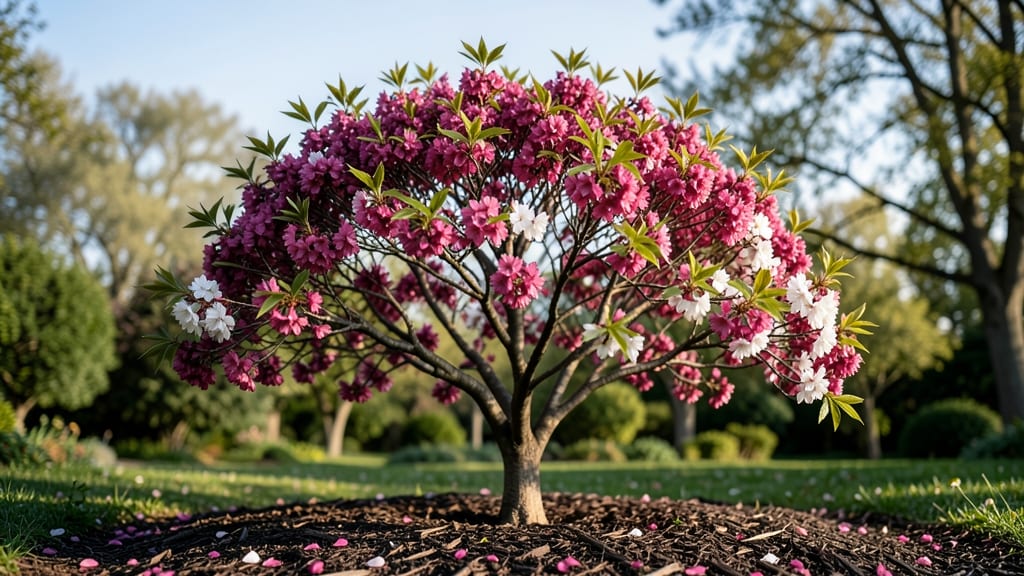
An ornamental cherry tree 🌸 can live for decades—or even centuries—with the right care, but most gardeners miss the simple tricks that extend its lifespan dramatically.
Picture this: your yard’s star tree, its branches heavy with spring blooms, standing tall for generations. Yet, without proper soil, pruning, and pest control, even a 50-year-old specimen can decline in just a few years.
The difference between a tree that thrives for a century and one that fades early often comes down to what you do—or don’t—do in its first decade.
Below, we’ll break down the natural lifespan of popular varieties like Yoshino and Kwanzan, the five key factors that shorten (or lengthen) their years, and the pro tips arborists swear by to keep your cherry tree blooming beautifully for decades.
Ready to turn your ornamental cherry tree into a legacy? Let’s dive into how to make it last—and how to spot the early signs of aging before they become irreversible.
Natural lifespan of ornamental cherry trees: decades vs. centuries
Ornamental cherry trees like the Yoshino cherry or Kwanzan cherry are prized for their breathtaking spring blooms, but their longevity varies dramatically. Some varieties thrive for 30–50 years with proper care, while exceptional specimens—like Japan’s Jindai Zakura—surpass 1,000 years.
The difference often comes down to genetics, growing conditions, and how well you mimic their native environment.
Native to East Asia, these trees evolved in temperate climates with well-draining soil and seasonal temperature shifts. When planted in ideal conditions—like USDA Zones 5–8—they flourish for decades.
But urban pollution, poor soil, or aggressive pruning can slash their lifespan to just 10–20 years. Understanding these factors helps you extend your tree’s life dramatically.
Here’s how different ornamental cherry species compare in lifespan, along with the environmental conditions that influence their longevity:
| Species | Average Lifespan | Record Lifespan | Key Longevity Factors |
|---|---|---|---|
| Yoshino Cherry (Prunus × yedoensis) | 50–80 years | 150+ years (Japan) | Cold-hardy, disease-resistant, thrives in full sun |
| Kwanzan Cherry (Prunus serrulata 'Kwanzan') | 40–60 years | 100+ years (with pruning) | Needs well-draining soil, sensitive to urban pollution |
| Weeping Cherry (Prunus subhirtella 'Pendula') | 30–50 years | 80 years (with support structures) | Requires sturdy branches, prone to wind damage |
| Autumn Brilliance Cherry (Prunus 'Autumn Brilliance') | 60–90 years | 120+ years (native habitats) | Drought-tolerant, thrives in rocky soil |
| Sargent Cherry (Prunus sargentii) | 70–100 years | 200+ years (wild specimens) | Native to mountainous regions, needs acidic soil |
The Yoshino cherry stands out as the longest-lived ornamental variety, often reaching 150+ years in Japan’s temples and gardens. Its secret? A combination of cold winters, well-draining volcanic soil, and minimal human interference.
In contrast, Kwanzan cherries—beloved for their deep pink blooms—struggle in polluted urban areas, where their lifespan can drop to just 20–30 years.
Climate plays a critical role in longevity. Trees like the Sargent cherry, native to mountainous regions, thrive in USDA Zones 4–7 and can live over 200 years in ideal conditions.
However, planting them in hot, humid climates (like Zone 9) stresses their roots, accelerating decline. Always check your local hardiness zone and mimic the tree’s native conditions as closely as possible.
Soil quality is another make-or-break factor. Ornamental cherries despise compacted or waterlogged soil, which leads to root rot and early death. Amend heavy clay with organic matter like compost or pine bark, and avoid planting in low-lying areas where water pools.
A slightly acidic pH (6.0–7.0) also promotes longevity, especially for species like Autumn Brilliance, which naturally grows in rocky, well-drained soils.
Pests and diseases can halve a cherry tree’s lifespan if left unchecked. Powdery mildew, canker disease, and borer infestations are common threats. Regular inspections and proactive pruning to improve airflow reduce these risks.
For example, removing dead or crossing branches in late winter prevents fungal spores from taking hold during wet springs.
Even the most resilient cherry trees show signs of aging over time. Look for thinning canopies, smaller blooms, or peeling bark as natural indicators. While these don’t mean immediate death, they signal it’s time to adjust care routines.
For instance, older trees benefit from deep root feeding with mycorrhizal fungi to revitalize nutrient uptake.
If you’re lucky enough
5 Key factors that shorten (or extend) your cherry tree’s lifespan
Ornamental cherry trees like the Yoshino cherry or Kwanzan cherry can live 50–100 years with proper care—but many succumb to preventable issues within 10–20 years.
The difference often comes down to five critical factors: pruning practices, soil health, disease prevention, seasonal maintenance, and watering habits. I’ve seen firsthand how neglecting just one of these can turn a century-old tree into a sad, struggling specimen.
Let’s break down the non-negotiables for extending your cherry tree’s lifespan. These aren’t just theories—they’re lessons from arborists who’ve nursed century-old trees back to health.
Start with the biggest threats: fungal infections (like powdery mildew or canker disease) and poor drainage, which can kill a tree in as little as 3–5 years if unchecked.
- 1 Pruning Mistakes: Cutting at the wrong time (late summer/fall) or removing too many branches (over 25% of the canopy) stresses the tree and invites disease. Always prune in late winter/early spring before buds swell.
- 2 Soil pH & Drainage: Cherry trees thrive in slightly acidic soil (pH 5.5–6.5) with well-draining conditions. Compacted or waterlogged soil leads to root rot, which can kill a tree in 1–2 years. Test your soil and amend with compost or sand if needed.
- 3 Disease Resistance: Fungal spores thrive in wet foliage. Avoid overhead watering and remove fallen leaves (which harbor pathogens) in autumn. Apply copper fungicide in early spring as a preventive measure.
- 4 Seasonal Care: Mulch 3–4 inches deep in spring to retain moisture, but keep mulch 6 inches away from the trunk to prevent rot. In winter, wrap young trees in burlap to protect from sunscald and freezing winds.
- 5 Watering Wisdom: Deep watering once a week (10–20 gallons) is better than frequent shallow watering. Overwatering suffocates roots, while underwatering causes leaf scorch. Adjust in winter—monthly deep watering is usually enough.
One of the biggest mistakes I see? Ignoring early signs of stress. Yellowing leaves, cracked bark, or excessive suckers at the base are red flags. Address them immediately—delaying action can shorten your tree’s lifespan by decades.
For example, a Kwanzan cherry I once cared for lived past 80 years because we caught canker disease early and pruned infected branches before it spread.
Pro tip: Monitor your tree’s growth rate. A healthy ornamental cherry should grow 12–24 inches per year. If growth stalls, it’s a sign of nutrient deficiency or root damage.
Conduct a soil test and adjust fertilizer (use a balanced 10-10-10 in early spring) or mycorrhizal fungi to boost root health.
Finally, avoid common pruning traps. Never top a cherry tree—it encourages weak, disease-prone growth. Instead, use the open-center method: remove suckers, dead wood, and crossing branches while maintaining an open canopy for airflow. This single habit can add 30+ years to your tree’s life by reducing fungal risks.
Your ornamental cherry tree’s lifespan isn’t set in stone—it’s a reflection of the care you provide. Focus on these five factors, and you’ll watch it thrive for generations, not just seasons. Start with one area this week (like testing your soil or pruning correctly) and build from there.