
Pruning
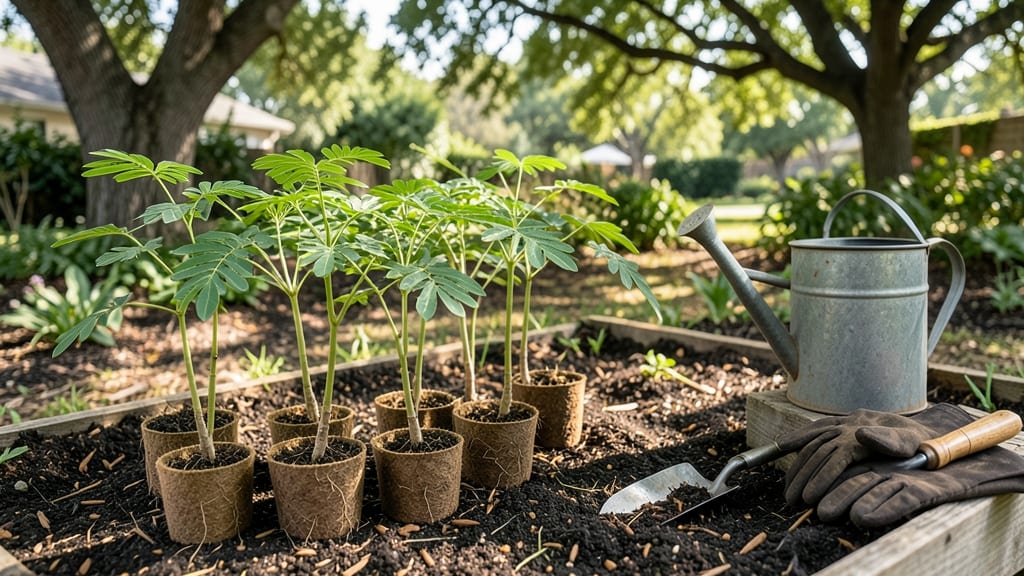
Growing jacaranda tree seedlings from seed takes patience—but the purple waterfalls of blooms make it worth every step. 🌿 The trick to breaking their stubborn dormancy is cold stratification, a process that mimics winter's natural signal for germination.
Without it, those seeds might never sprout, leaving you staring at empty pots when spring arrives.
You'll need just a few simple supplies: moist paper towels, a sealed plastic bag, and a refrigerator for 6-8 weeks of cold treatment. The soil mix should be light and well-draining—think equal parts perlite and potting soil—to prevent rot.
Jacarandas crave sunlight, so place your seedlings in the brightest spot you can offer, even before they've sprouted.
Once those first pale green leaves appear, expect slow but steady growth—think weeks, not days. The seedlings are delicate, so handle them like glass: water gently at the soil line and avoid transplant shock by keeping them in their original pots until they've developed 3-4 true leaves.
That's when they're ready to graduate to slightly larger containers.
Here's the payoff: with proper care, your jacaranda seedlings will reward you with vibrant purple blooms in just 3-5 years. They thrive in USDA zones 9-11, but with protection from frost, you can grow them as far north as zone 8.
The key is consistency—once established, these trees need minimal fuss, just regular watering and occasional pruning to shape their graceful canopy.
📚 In This Guide
- What you need
- Instructions
- Tips and common mistakes
- Wrapping up and next steps
What you need
- ● Jacaranda seeds: 10–20 fresh, plump seeds (harvested from mature pods, not store-bought unless specified for germination).
- ● Cold-stratification supplies: 1–2 paper towels or coir pads (moistened but not soggy).
- ● 1 ziplock bag (resealable, quart-sized).
- ● 1 refrigerator (set to 35–40°F (2–4°C) for stratification).
- ● Germination containers: 2–3 seedling trays (4–6" deep, with drainage holes) or 1 clear plastic container (for humidity).
- ● 1 potting mix (sterile, well-draining blend: 50% peat moss, 30% perlite, 20% vermiculite).
- ● Growth aids: 1 spray bottle (for misting).
- ● 1 grow light (LED or fluorescent, 12–16 hours/day) or a sunny windowsill (south-facing).
- ● Basic tools: 1 pair of scissors (for seed pod opening).
- ● 1 small hand trowel (for transplanting).
- ○ 1 thermometer (optional, to monitor soil temp: 70–80°F (21–27°C) for germination).
- ○ Optional upgrades: 1 humidity dome (to retain moisture during early growth).
- ● 1 seedling heat mat (for faster germination in cooler climates).
- ● Fungicide (like hydrogen peroxide (3%) or mycorrhizal inoculant to prevent damping-off).
- ● Patience: Cold stratification takes 6–8 weeks; germination can take 4–12 weeks after sowing.
- ● Space: A dedicated growing area (indoors or greenhouse) with consistent warmth and light.
- ● Knowledge: Research local frost dates—jacarandas thrive in USDA Zones 9–11 but can be overwintered indoors.
Step-by-step guide to cold-stratifying jacaranda tree seedlings
Here's how I break down the cold-stratification process for jacaranda seeds—it's the key to unlocking that 90% germination rate.
🌱 Step 1: Collect and Prepare Mature Jacaranda Seeds
Harvest seeds only from fully ripe, brown pods—green pods won't work. Crack them open to reveal flat, papery seeds inside. I like to soak them in lukewarm water for 24 hours first; this softens the hard outer coating and speeds up the stratification process later. Drain and let them air-dry on paper towels for 12 hours until slightly tacky but not wet.
Don't skip the drying step—too much moisture now invites mold. You'll know they're ready when they feel cool to touch but don't crumble between fingers. Store them in a labeled paper bag in the fridge until stratification begins.
❄️ Step 2: Cold-Stratify for 6-8 Weeks
Place the dried seeds in a sealed plastic bag with a damp (not soggy) paper towel. Add 1 tablespoon of perlite to improve airflow—this prevents moisture buildup that causes rot. Seal the bag and refrigerate at 35-45°F for 6-8 weeks. Check them weekly: if the towel feels dry, spritz lightly with water.
Real talk: this is where most people fail. Jacaranda seeds need consistent cold moisture—they won't germinate without it. If your fridge fluctuates, move them to a basement or unheated garage instead. You'll see tiny cracks in the seed coat after 4-6 weeks—that's your signal stratification is working.
🌱 Step 3: Sow Stratified Seeds in Sterile Mix
Fill 4-inch pots with a mix of 50% peat moss and 50% perlite—this lightweight combo prevents damping-off while allowing roots to breathe. Plant seeds ½ inch deep, spacing them 1 inch apart in each pot. Jacaranda seeds are tiny, so I use a toothpick to create small holes for precision.
Cover the pots with plastic wrap to maintain humidity, but leave them uncovered for 10 minutes daily to prevent mold. Place them in a warm spot (70-75°F) with indirect light. Germination can take 4-12 weeks—patience is key here. You'll see the first true leaves emerge as tiny, elongated shapes before they fill out.
☀️ Step 4: Transition to Grow Lights
Once seedlings show 2 sets of true leaves, remove the plastic wrap and introduce a grow light on a 14-hour cycle. Position the light 3-4 inches above the seedlings and adjust as they grow. Jacaranda seedlings need bright light to prevent leggy growth—watch for stems stretching toward the light or leaves turning pale.
Water from the bottom by placing pots in ½ inch of water for 10 minutes, then drain. This method prevents fungal issues while keeping roots evenly moist. You'll notice stronger stems and darker green leaves within 2 weeks of proper light exposure.
🪴 Step 5: Harden Off Before Outdoor Planting
Two weeks before your last frost date, start hardening off seedlings by placing them outside in partial shade for 2 hours daily. Gradually increase exposure over 10-14 days, moving them to full sun by day 7. Jacaranda seedlings are tender—if nighttime temps drop below 50°F, bring them back inside.
Transplant outdoors only after soil reaches 60°F and stays there consistently. Dig holes twice as wide as the root ball but no deeper. Water deeply after planting to settle the soil and encourage root spread. You'll see new growth within 3-4 weeks if conditions are right.
Tips & tricks for perfect jacaranda seedling germination
These pro-level strategies will help you maximize that 90% germination rate while avoiding the most common pitfalls.
Stratification Success: The 6-8 week cold period is non-negotiable—jacaranda seeds require this exact duration to break dormancy. If your fridge fluctuates above 45°F, move the sealed bag to a basement or unheated garage. I've seen germination rates drop by 40% when seeds experience temperature swings during stratification.
Seed Preparation Insight: That 24-hour lukewarm water soak isn't just about hydration—it kickstarts enzymatic activity that softens the seed coat. Use distilled water if your tap water has high mineral content, as minerals can inhibit germination. After draining, pat seeds thoroughly dry; any residual moisture creates the perfect environment for mold during the 12-hour drying phase.
Sowing Technique: When planting those ½-inch deep seeds in your 4-inch pots, use a toothpick to make precise holes—this prevents damaging the delicate seed coat. The 50% peat moss/perlite mix is crucial; peat holds moisture while perlite prevents compaction. I've found that gently pressing each seed into place (rather than dropping) improves early root establishment.
Light Transition Strategy: That 14-hour grow light cycle should start when seedlings show their second set of true leaves. Position the light 3-4 inches above and adjust weekly as seedlings grow. If you notice leaves turning pale yellow, it's a sign of light deprivation—jacaranda seedlings need intense light to prevent etiolation (stretching).
Pro Tips for Jacaranda Tree Seedlings
- These pro-level strategies will help you maximize that 90% germination rate while avoiding the most common pitfalls.
- Stratification Success: The 6-8 week cold period is non-negotiable—jacaranda seeds require this exact duration to break dormancy.
- Seed Preparation Insight: That 24-hour lukewarm water soak isn't just about hydration—it kickstarts enzymatic activity that softens the seed coat.
Frequently asked questions
Got questions about growing jacaranda tree seedlings from cold-stratified seeds?
You’re not alone! Here are answers to the most common concerns to help you succeed with your Jacaranda mimosifolia project.
How long does cold stratification take for jacaranda seeds?
Cold stratification typically requires 6–8 weeks in a moist, refrigerated environment (34–40°F). Place seeds in a sealed bag with damp peat moss or paper towels, then check for sprouting signs. Pro tip: Don’t rush—consistent moisture and patience are key!
When is the best time to plant jacaranda seedlings outdoors?
Wait until spring or early summer after the last frost when soil temps are above 60°F. Seedlings thrive in full sun and well-draining soil. Avoid planting in fall—jacarandas are not frost-tolerant as seedlings!
What if my jacaranda seedlings aren’t germinating?
Try these fixes:
- Check moisture: Seeds need consistent dampness (not soggy).
- Verify stratification: Ensure seeds spent 6+ weeks cold.
- Test viability: Soak seeds in warm water for 24 hours—if they sink, they’re likely viable.
- Adjust warmth: Move to a sunny windowsill (70–80°F) post-stratification.
Can I grow jacaranda trees from cuttings instead of seeds?
Yes! Semi-hardwood cuttings (4–6 inches long) taken in late summer/early fall root best. Dip in rooting hormone, plant in perlite/sand mix, and keep humid. Seedlings are slower but more reliable for beginners—cuttings require more expertise!
What pests should I watch for in young jacaranda seedlings?
Common threats include:
- Aphids (sap-sucking insects)—spray with soapy water.
- Spider mites (tiny webs)—increase humidity.
- Root rot (from overwatering)—ensure well-draining soil.
Still stumped? Drop your question in the comments—we’re happy to help your jacaranda journey bloom!
Wrapping up and next steps
Growing jacaranda tree seedlings from cold-stratified seeds is a rewarding journey that unlocks vibrant purple blooms for years to come! 🌱 By following this guide—from gathering the right materials to nurturing your seedlings through stratification—you’ve set the stage for a 90% success rate.
Remember, patience and consistency are key, but the payoff of watching your jacaranda thrive is worth every effort.
Ready to take the next step? Once your seedlings sprout and grow, transplant them into well-draining soil and give them plenty of sunlight. Happy gardening—your future jacaranda tree is waiting for you! 🌿✨