
Pruning
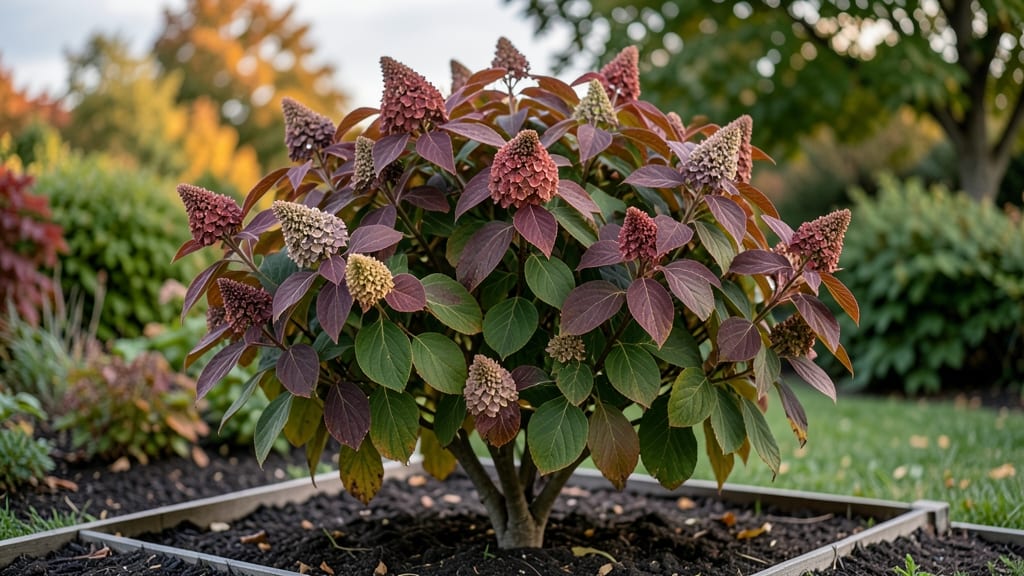
Fall is when your hydrangea tree’s late-season pruning sets the stage for next year’s showstopping blooms—don’t miss this critical window. ✨ The right cuts now mean bigger, healthier flowers in spring, but timing and technique matter more than you’d think.
I’ve learned the hard way that pruning too early or too late can leave your tree struggling, so let’s get this right before winter sets in.
Start by waiting until after the first frost, when the foliage turns crispy brown but before hard freezes lock the branches in place. Grab your pruning shears and focus on removing dead, crossing, or weak branches first—these are the ones that’ll never produce blooms anyway.
You’ll also want to shape the tree lightly, keeping it open in the center to allow sunlight and air circulation. Think of it like giving your hydrangea a fresh haircut for the winter.
What you’ll end up with is a tree that wakes up in spring with energy to focus on new growth, not fighting last year’s mistakes. The blooms will be fuller, the colors more vibrant, and you’ll avoid the heartbreak of sparse flowers or leggy branches.
Just remember: hydrangeas bloom on old wood, so hold off on heavy pruning until after next spring’s blooms fade.
This method works for all hydrangea varieties, from the classic bigleaf types to oakleaf and panicle varieties. The key is patience—fall prep pays off in spring, and your neighbors will be green with envy when their hydrangeas still look tired from last season. Ready to transform your tree’s future?
📚 In This Guide
- What you need
- Instructions
- Tips and common mistakes
- Wrapping up and next steps
What you need
- ● Pruning shears – Bypass pruners (sharp, 6-8" blades) for clean cuts on smaller branches.
- ● Loppers – 8-10" long for thicker branches (½"–1.5" diameter).
- ● Pruning saw – Curved or folding blade for branches thicker than 1.5".
- ● Gloves – Heavy-duty, cut-resistant (hydrangeas have thorns!).
- ● Disinfectant – 70% isopropyl alcohol or bleach solution (1:9 ratio) to sterilize tools between cuts.
- ● Rag or paper towels – For wiping tools clean.
- ● Garden twine or zip ties – To secure heavy branches during pruning.
- ○ Pruning sealant (optional but helpful) – Tree wound dressing for large cuts (½" or wider).
- ● Extension pole – For hard-to-reach branches (6–10 ft, with pruning attachment).
- ● Ladder – Sturdy, 3-section (if your tree is over 8 ft tall).
- ● Garden hose or spray bottle – To rinse tools and clean sap off cuts.
- ● Marking flags or spray paint – To tag branches for removal (if planning ahead).
- ● Compost bin or bag – For collecting pruned branches (recycle or dispose properly!).
Instructions for late-season hydrangea tree pruning
Fall is the perfect time to shape your hydrangea tree for stunning next-year blooms—here’s how to do it right.
🌿 Step 1: Assess the Tree’s Structure and Health
Start by examining your hydrangea tree from all sides. Look for dead, diseased, or crossing branches—these need removal first. Dead branches snap easily when bent, while diseased ones may have blackened spots or oozing sap. I always remove these first because they drain energy from healthy growth.
Next, identify last year’s blooms—they’ll appear as dried clusters. These won’t produce flowers next season, so they’re safe to cut. Focus on keeping strong, outward-facing branches for a full, balanced shape. If your tree leans heavily to one side, you’ll want to prune the denser side to encourage even growth.
✂️ Step 2: Prune Dead and Weak Growth First
Using clean, sharp pruning shears, cut back any dead or damaged branches all the way to the trunk or a healthy bud. Make your cuts at a 45-degree angle, about ¼ inch above an outward-facing bud—this encourages new growth in the right direction. Avoid leaving stubs, as they can rot and invite pests.
For weak or spindly branches, trim them back to a strong lateral branch or bud. You’ll notice these branches are thinner and often grow straight up rather than outward. Pruning them now redirects the tree’s energy into sturdier, flower-producing growth for next spring.
☀️ Step 3: Thin Out Overcrowded Areas
Step back and look at your tree’s overall shape. If branches are too dense, they compete for sunlight and nutrients, leading to fewer blooms. Remove 10-20% of the tree’s total branches, focusing on the oldest or most inward-growing ones. This opens up the center, allowing light and air to circulate.
When thinning, prioritize branches that cross or rub against others—these can create wounds that invite disease. Cut back to the branch collar (the swollen area where the branch meets the trunk) for a clean, natural look. You’ll see a noticeable difference in airflow and sunlight penetration after this step.
⏰ Step 4: Shape for Next Year’s Blooms
Now it’s time to refine the tree’s shape for maximum flowering. Hydrangeas bloom on new wood, so you can prune more aggressively than with spring-blooming varieties. Cut back one-third of the oldest stems to the ground—this stimulates fresh, vigorous growth from the base.
For the remaining branches, trim just above a set of healthy buds or leaves. Avoid cutting into old wood, as it won’t produce flowers. If your tree has leggy growth, shorten the longest branches by half to encourage bushier, more compact growth. Step back often to check your progress—you want a balanced, open shape.
💧 Step 5: Clean Up and Protect for Winter
After pruning, rake up and dispose of all debris—this prevents pests and diseases from overwintering in your yard. Sterilize your pruning tools with rubbing alcohol or a 10% bleach solution to kill any lingering pathogens.
Apply a 2-3 inch layer of mulch around the base of the tree (but keep it 6 inches away from the trunk) to insulate roots and retain moisture. Water deeply before the first hard frost to help the tree establish through winter. Your hydrangea tree will thank you with bold, vibrant blooms come spring!
Tips & tricks for perfect fall hydrangea pruning
These simple strategies will help you prune your hydrangea tree like a pro and set it up for spectacular spring blooms.
Tool Prep Matters: Before you begin, sharpen your pruning shears with a file or sandpaper—dull blades tear rather than cut cleanly, which can damage branches. I also like to wipe them down with rubbing alcohol after each cut to prevent spreading any potential diseases between branches. This step alone makes the whole process smoother and healthier for your tree.
Bud Direction is Key: When making cuts in Step 2, pay close attention to the direction of the buds below your cut. Aim to cut just above a bud that faces outward from the tree center—this encourages new growth to spread in the direction you want. You’ll notice the buds have a tiny bump with a tiny leaf or scale right behind them, which helps you identify the correct angle.
Thinning Strategy: In Step 3, when removing 10-20% of branches, focus on the oldest wood first. These branches often appear darker and may have thinner bark. By removing them, you're making room for younger, more vigorous branches that will produce next year's blooms. Think of it like giving your tree a fresh start from the inside out.
Mulch Placement Tip: When applying that 2-3 inch layer of mulch in Step 5, create a slight mound around the base but keep it sloped away from the trunk. This prevents water from pooling against the bark, which can cause rot. The mulch should look like a shallow volcano with the trunk at the center—this shape helps with both drainage and insulation.
Pro Tips for Hydrangea Tree In Fall
- These simple strategies will help you prune your hydrangea tree like a pro and set it up for spectacular spring blooms.
- Tool Prep Matters: Before you begin, sharpen your pruning shears with a file or sandpaper—dull blades tear rather than cut cleanly, which can damage branches.
- Bud Direction is Key: When making cuts in Step 2, pay close attention to the direction of the buds below your cut.
Frequently asked questions
Got questions about keeping your hydrangea tree thriving in fall? You’re not alone! Here are answers to the most common concerns from gardeners like you.
When is the best time to prune a hydrangea tree in fall?
Prune your hydrangea tree after it finishes blooming in late summer or early fall (September–October). Avoid heavy pruning too close to winter, as new growth may not harden off. Focus on shaping and removing dead wood—save major cuts for early spring if needed.
Can I prune a hydrangea tree in late fall or winter?
Light trimming (like removing dead branches) is fine in late fall, but avoid heavy pruning in winter. Cold temperatures can stress the plant, and dormant buds may not regrow well. If you must prune, wait until late winter (just before new growth starts) for best results.
Will pruning my hydrangea tree in fall affect next year’s blooms?
Yes! Fall pruning can impact blooms, but it depends on your hydrangea type. Bigleaf and oakleaf hydrangeas bloom on old wood, so prune minimally. Panicle hydrangeas (like ‘Limelight’) bloom on new wood, so you can prune more aggressively. Always research your specific variety first!
How do I know if I’m pruning my hydrangea tree correctly?
Start by removing dead, diseased, or crossing branches first. For shaping, cut just above a bud or node, slanting the cut slightly. Avoid “topping” (cutting back to a stub)—this can encourage weak growth. If unsure, take photos before pruning and compare to online guides!
What if my hydrangea tree doesn’t bloom after fall pruning?
No blooms? Check these fixes:
- Wrong timing: If you pruned too late or too hard, new buds may not form.
- Not enough sun: Hydrangeas need 6+ hours of sunlight daily.
- Over/underwatering: Keep soil consistently moist but not soggy.
- Fertilizer needs: Apply a balanced fertilizer in early spring.
Wrapping up and next steps
Fall is the perfect time to shape your hydrangea tree for stunning blooms next season!
By following the right pruning techniques—like removing dead wood, thinning crowded branches, and avoiding over-pruning—you’ll set the stage for a vibrant, healthy tree. Don’t let fear hold you back: a little effort now means big rewards come spring!
Ready to take the next step? Grab your pruners, snap a few photos of your tree’s current shape, and start trimming with confidence. Your future blooms will thank you! 🌿✨