
Pruning
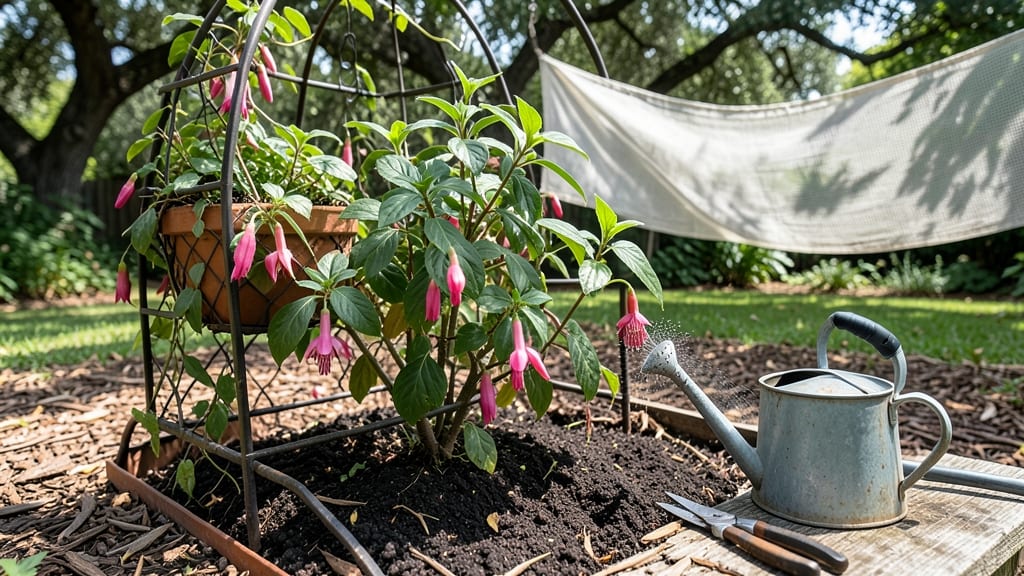
My fuchsia tree care blooms nonstop because I prune it right—and I’m about to share the exact technique that turns leggy stems into a bushy, flower-covered powerhouse. 🌸 The key isn’t just cutting back; it’s timing, shape, and knowing which stems to keep (hint: the younger ones).
After years of trial and error, I finally cracked the code for year-round color, and it’s simpler than you’d think.
Start with sharp pruners and a sunny spot—fuchsias hate crowded roots but love bright, indirect light. Outdoor plants thrive in partial shade, while indoor trees need a south-facing window or grow light.
Water when the top inch of soil feels dry, but never let them sit in soggy soil (root rot is their kryptonite). The real magic happens in late winter or early spring, when you prune back one-third of the plant to encourage fresh, bushier growth.
You’ll see the difference in just 4-6 weeks: new stems burst with energy, and those once-bare branches become covered in dangling blooms. The secret? Always cut above a leaf node (never at a joint) and pinch back leggy growth throughout the season.
This keeps your fuchsia compact, productive, and flowering like crazy—even in winter.
Works for both patio plants and indoor showstoppers, and troubleshooting is easy: yellow leaves? Too much sun. Dropping buds? Too little water. With these tweaks, your fuchsia will outperform every other plant in your garden (or living room). Let’s get those shears out!
📚 In This Guide
- What you need
- Instructions
- Tips and common mistakes
- Wrapping up and next steps
What you need
- ● Pruning shears: Bypass pruners (sharp, clean, and sterilized) for clean cuts. (1 pair, $10–$25)
- ● Hand pruners: For smaller branches and precision trimming. (1 pair, $8–$20)
- ● Loppers: For thicker branches (½"–1.5" diameter). (1 pair, $15–$30)
- ● Disinfectant: 70% isopropyl alcohol or hydrogen peroxide (3%) to sterilize tools between cuts. (Small bottle)
- ● Garden gloves: Heavy-duty, cut-resistant gloves for protection. (1 pair, $10–$20)
- ○ Pruning sealant: Optional but helpful for sealing larger cuts (e.g., Tree Seal or pruning wax). (Small tub)
- ● Bucket or tray: For collecting clippings and debris. (5-gallon bucket works great!)
- ○ Watering can or hose: For post-pruning hydration. (Optional but handy)
- ● Know your fuchsia type: Deciduous or evergreen? Research your specific variety for tailored pruning needs.
- ● Timing: Prune after flowering (late winter/early spring) or lightly in summer to encourage new growth.
- ● Weather check: Avoid pruning in extreme heat, cold, or wet conditions.
Step-by-Step fuchsia tree pruning for lush, blooming growth
Here's how I transform leggy fuchsias into bushy, flower-covered powerhouses—no guesswork involved.
✂️ Step 1: Time Your Pruning for Maximum Blooms
Prune your fuchsia tree in early spring just as new growth begins, or after the first flush of flowers fades in late summer. Never prune in fall or winter—you'll cut off next year's buds. I like to wait until I see 1-2 inches of fresh green growth on the stems before making my first cuts.
This timing ensures you're shaping the plant when it's actively growing, not when it's dormant. If you prune too early, you might remove flower buds that haven't formed yet. Watch for those first tender new leaves—they're your signal that the plant is waking up and ready for a haircut.
🌿 Step 2: Cut Back to Encourage Bushier Growth
Use clean, sharp pruning shears to cut back 1/3 of the plant's height in the first pruning. Make your cuts just above a leaf node where new growth will emerge—this is where those bushy side branches will form. I always cut at a 45-degree angle to prevent water from pooling on the wound.
Don't worry if it looks drastic at first. Fuchsias are forgiving and will respond beautifully to this pruning. After cutting, you'll notice the plant looks more open and airy—this improves airflow, which prevents fungal diseases. Within 2-3 weeks, you'll see new growth popping from those leaf nodes you cut above.
✂️ Step 3: Shape for Better Airflow and More Flowers
Remove any dead, diseased, or crossing branches first—these compete with healthy growth. Then, focus on thinning out the center to improve light penetration. I aim to create an open vase shape that lets sunlight reach all parts of the plant. Each time you prune, step back and visualize how light will move through the plant.
For a truly bushy look, pinch back the tips of new growth after they've grown 4-6 inches. This encourages the plant to branch out instead of growing tall and leggy. You'll know you're doing it right when you see multiple side shoots forming at each node you pinched.
🌱 Step 4: Deadhead and Maintain Through the Season
Regularly remove spent flowers by cutting the stem back to the nearest leaf node. This prevents the plant from wasting energy on seed production and redirects it to producing more blooms. I do this every 2-3 weeks during the blooming season—it's a quick process that pays huge dividends.
After each major pruning, feed your fuchsia with a balanced liquid fertilizer (10-10-10) diluted to half strength. This gives the new growth a nutrient boost to help it establish quickly. Keep an eye out for any new growth that looks weak or pale—this might need a bit more fertilizer or better light exposure.
Tips & tricks for perfect fuchsia tree pruning
Here's what nobody tells you about pruning fuchsias—these tricks make all the difference between a sad, leggy plant and a blooming bush.
Timing is Everything: The early spring or late summer timing isn't arbitrary—it's when fuchsias naturally produce new growth. In Step 1, watch for those first tender leaves (about 1-2 inches long) as your cue. This ensures you're cutting when the plant is actively growing, not when it's storing energy for winter. I've ruined pruning seasons by cutting too early—don't make my mistake!
The 45-Degree Angle Secret: When you make those cuts in Step 2, that 45-degree angle isn't just for looks—it prevents water from pooling on the wound, which could lead to rot. I use a small ruler to guide my cuts when I'm first learning. Also, always cut just above a leaf node (where new growth emerges) to encourage bushier growth. This is where those new branches will pop out in 2-3 weeks.
Visualizing Airflow: Step 3's advice about shaping for airflow might sound abstract, but here's how to do it: Step back and imagine sunlight moving through your plant. You want to create an open vase shape where light can reach all the way to the center. If you're struggling, hold up a flashlight and see where shadows fall—those are your problem areas. This simple trick prevents those sad, bare centers that collect moisture and attract pests.
Pinching for Bushiness: The 4-6 inch pinch point in Step 3 is crucial—this is when new growth has enough energy to branch out instead of just growing taller. I like to pinch when the stems are about the diameter of a pencil. You'll know you're doing it right when you see multiple side shoots forming at each pinched node. This is how you get that lush, bushy look without resorting to harsh pruning.
Pro Tips for Fuchsia Tree Care
- Here's what nobody tells you about pruning fuchsias—these tricks make all the difference between a sad, leggy plant and a blooming bush.
- Timing is Everything: The early spring or late summer timing isn't arbitrary—it's when fuchsias naturally produce new growth.
- The 45-Degree Angle Secret: When you make those cuts in Step 2, that 45-degree angle isn't just for looks—it prevents water from pooling on the wound, which could lead to rot.
Frequently asked questions
Got questions about keeping your fuchsia tree thriving? Here are answers to the most common concerns—from pruning to pests and everything in between!
How often should I prune my fuchsia tree for maximum blooms?
Prune your fuchsia tree twice a year: once in early spring (to shape and remove dead growth) and again after blooming (to encourage new flowers). Light trimming between blooms can also promote bushier growth. Avoid heavy pruning in fall—it can stress the plant before winter.
Can fuchsia trees survive winter, and how do I protect them?
Fuchsias are tender perennials—most varieties die back in frost but regrow from the roots in spring. For colder climates (<30°F), dig up potted plants or wrap outdoor trees in burlap and mulch heavily. In mild winters, a light frost cloth works too. Prune back dead stems in early spring to stimulate new growth.
What are the most common pests for fuchsia trees, and how do I treat them?
Watch for aphids, spider mites, and whiteflies—they love fuchsias! For mild infestations, spray with water or use neem oil. Severe cases may need insecticidal soap (follow label instructions). Encourage beneficial insects like ladybugs by planting nearby herbs like basil or dill.
Can I grow a fuchsia tree from cuttings? If so, how?
Yes! Take 4–6 inch cuttings from healthy, non-flowering stems in spring or summer. Remove lower leaves, dip in rooting hormone, and plant in moist perlite or sand. Keep in bright, indirect light and maintain humidity (use a plastic bag or propagator). Roots should form in 4–6 weeks.
Why aren’t my fuchsia flowers lasting long, and how can I fix it?
Short-lived blooms often mean overcrowded branches or lack of sunlight. Prune to improve airflow, and move your tree to morning sun + afternoon shade. Deadhead spent flowers regularly to encourage new blooms. Underwatering can also cause early wilting—keep soil consistently moist (but not soggy).
Wrapping up and next steps
Caring for your fuchsia tree doesn’t have to be complicated—just follow these pruning secrets to keep it bursting with blooms and thriving year-round! 🌸 With the right tools, timing, and techniques, you’ll enjoy a lush, bushier tree that’s the envy of every garden.
Now that you’re equipped with the know-how, grab those shears and get pruning! Watch your fuchsia reward you with vibrant flowers and healthy growth in no time.
💡 Pro Tip: Keep a pruning journal to track your progress and adjust your approach as needed—your fuchsia will thank you!