
Pruning
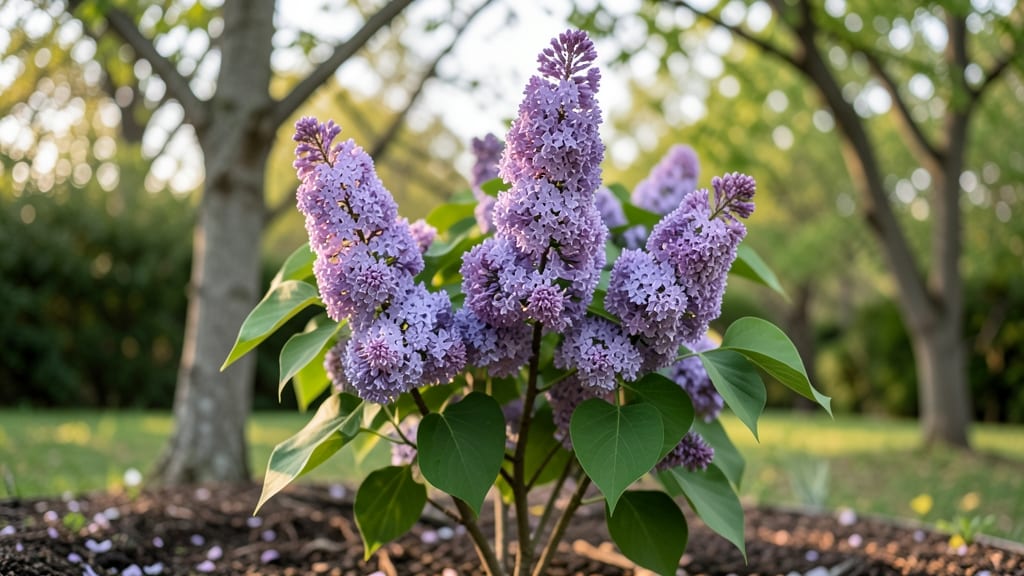
Ohio's spring skies deserve the best lilac tree blooms you can grow—dormant-season pruning is the secret weapon that turns good lilacs into showstopping ones. 🌸 I've watched my 'Katherine Havemeyer' lilac go from a few straggly stems to a burst of purple clouds every May, all because of this one timing trick.
The magic happens when Ohio's winter chill settles in, between late January and early March, before buds even think about swelling. You're not just cutting branches—you're shaping next year's floral display while removing last year's woody stems that steal energy from new growth.
Most gardeners wait until after blooms fade, but Ohio's unpredictable spring frosts make dormant pruning the safer bet.
What you'll end up with is three to five years of progressively better blooms, with each pruning cycle making your lilac more vigorous. The fragrant clusters grow denser, the stems stay stronger, and you avoid that sad, leggy look that ruins so many lilacs after a few seasons.
Plus, Ohio's native pollinators will thank you—lilacs are their spring buffet.
Works for all Ohio-hardy varieties ('Miss Kim' included) and even adapts to urban planting spots. Here's exactly how to do it without turning your yard into a pruning disaster.
📚 In This Guide
- What you need
- Instructions
- Tips and common mistakes
- Wrapping up and next steps
What you need
- ● Pruning shears: Bypass pruners (sharp, clean, and capable of cutting ¼-inch branches). Quantity: 1 pair
- ● Loppers: For thicker branches (½-inch to 1-inch diameter). Quantity: 1 pair
- ○ Hand saw: For branches thicker than 1-inch. Quantity: 1 (optional if loppers suffice)
- ● Disposable gloves: Heavy-duty, cut-resistant (to protect from thorns and sap). Quantity: 1 pair
- ● Rubbing alcohol (70%+) or bleach solution: For sterilizing tools between cuts. Quantity: Small bottle or spray
- ○ Pruning sealant (optional but recommended): To prevent disease entry on larger cuts. Quantity: Small tube
- ● Trash bags or bucket: For collecting pruned branches. Quantity: 1-2
- ● Ladder (if needed): Sturdy, extendable ladder for tall trees. Height: Reach at least 10 feet
- ● Marking twine or flags: To tag branches for removal (great for complex pruning plans)
- ● Tree wound dressing: Alternative to sealant (e.g., Tanglefoot Tree Wound Pruning Seal)
- ● Work gloves with grip: For extra comfort during prolonged pruning
- ● Notebook & pencil: To sketch your tree’s structure before pruning
Step-by-step guide to pruning lilac trees in Ohio for stunning spring blooms
Ohio’s winters are perfect for shaping your lilac—here’s how to prune for stronger blooms and healthier growth.
🌿 Step 1: Time Your Pruning for Ohio’s Climate
Prune lilacs late winter to early spring, ideally 3-4 weeks before buds swell (usually February-March in Ohio). This timing ensures blooms appear on last year’s wood, not new growth. If you prune too early, you risk damaging buds from late frosts. I wait until the ground thaws but before the first signs of new shoots—this is the sweet spot for Ohio’s unpredictable spring weather.
Check the weather forecast for a warm spell (above 40°F) before pruning. Cold snaps can stress the tree, so avoid pruning during hard freezes. If you miss the dormant window, wait until right after blooming—just don’t cut back old wood, or you’ll sacrifice next year’s flowers.
✂️ Step 2: Gather Tools and Sanitize for Healthy Cuts
Use clean, sharp pruning shears (or loppers for thicker branches) to make precise cuts. Disinfect your tools with rubbing alcohol before and after pruning to prevent spreading disease. I like to wipe down blades with a cloth soaked in alcohol—this keeps bacteria and fungi from hitching a ride to your next cut.
Wear gloves to protect your hands from thorns and sap. A small bucket or bag for clippings helps keep your workspace tidy. Avoid pruning on a windy day—flying debris can damage the tree or injure you. If your lilac is large, consider wearing safety goggles to shield your eyes from sharp branches.
🌱 Step 3: Remove Dead, Diseased, or Crossing Branches First
Start by cutting out any dead, diseased, or damaged wood—these branches won’t bloom and can harbor pests. Look for brown, brittle branches or those with peeling bark and no green underneath. Remove them all the way back to the main stem or a healthy bud. This step opens up the tree’s center, allowing better airflow and sunlight penetration.
Next, prune out crossing or rubbing branches—these create weak spots where disease can enter. If two branches grow toward each other, remove the smaller one or the one growing inward. Make your cuts at a 45-degree angle, about ¼ inch above a healthy bud (this encourages new growth in the right direction). Avoid leaving stubs—they invite rot and pests.
☀️ Step 4: Thin Out Overcrowded Areas for Better Blooms
Lilacs bloom best when they’re not overcrowded. Select 3-5 of the strongest, most vigorous stems (the ones closest to the center of the tree) and cut the rest back to the ground. This might seem drastic, but it forces the tree to focus its energy on fewer, stronger branches. I usually leave 5-7 main stems for a balanced shape—this ensures a full, lush bloom next spring.
If your lilac is older and woody, you can lightly prune the oldest stems (those closest to the ground) to encourage younger, more productive growth. Never remove more than ⅓ of the tree’s total branches in one year—this can shock the plant. Step back occasionally to check your progress; the goal is an open, airy shape that lets sunlight reach the center.
🪴 Step 5: Shape and Clean Up for Next Year’s Growth
Now’s the time to shape the tree by trimming back any branches that spoil the natural form. Lilacs grow best with a rounded, slightly dome-like shape, so aim for a balanced silhouette. Cut just above a bud that faces outward—this encourages growth in the right direction. Avoid cutting back to a fork or a dead stub; always leave a healthy bud to guide new growth.
After pruning, clean up all clippings and dispose of them in the trash (not the compost)—diseased branches can spread pathogens. Give the tree a light watering if the ground is dry, but avoid overwatering. Mulch around the base with 2-3 inches of organic mulch (like shredded bark) to retain moisture and suppress weeds. This final step sets your lilac up for a strong, vibrant bloom next spring.
Tips & tricks for perfect lilac pruning in Ohio
Here's what nobody tells you about getting the most out of your Ohio lilac—these tricks make all the difference between decent blooms and show-stopping spring displays.
Timing is Everything: The 3-4 week window before buds swell is non-negotiable for Ohio's climate. I've learned this the hard way—pruning too early risks frost damage to those precious buds, while waiting too long means you'll cut back next year's blooms. Check the forecast for that 40°F+ warm spell before starting. If you're unsure about the exact timing, look for tiny green swellings at the branch tips—those mean it's too late for dormant-season pruning.
Tool Prep Prevents Problems: Your pruning shears are more important than you think. I always disinfect mine with rubbing alcohol before and after use—this simple step prevents spreading fungal diseases between cuts. For larger branches, loppers are essential, but make sure they're sharp enough to cut cleanly without crushing the wood. Dull blades cause jagged cuts that heal poorly and invite pests. I keep a small stash of extra blades sharpened and ready just in case.
The 45-Degree Rule: When you're removing branches in Step 3, that 45-degree angle isn't arbitrary—it's about directing water and nutrients away from the cut. Always cut just above a healthy outward-facing bud (about ¼ inch above it). This creates the perfect angle for new growth to emerge in the right direction. If you're unsure which bud is facing outward, run your thumb along the branch—you'll feel the slight bump where the bud is pointing.
Mulch Matters: That final 2-3 inches of organic mulch around your tree's base isn't just for looks. It acts like a blanket, protecting roots from temperature swings that are common in Ohio winters. I use shredded hardwood bark because it breaks down slowly, releasing nutrients over time. Just make sure to keep the mulch 2-3 inches away from the trunk to prevent rot—this is one of those small details that makes a huge difference in long-term tree health.
Pro Tips for Lilac Tree Ohio
- Here's what nobody tells you about getting the most out of your Ohio lilac—these tricks make all the difference between decent blooms and show-stopping spring displays.
- Timing is Everything: The 3-4 week window before buds swell is non-negotiable for Ohio's climate.
- Tool Prep Prevents Problems: Your pruning shears are more important than you think.
Frequently asked questions
Got questions about growing and pruning lilac trees in Ohio? You’re not alone! Here are some of the most common queries—plus expert answers to help you nurture your tree for stunning spring blooms.
When is the best time to prune lilac trees in Ohio?
The ideal window for pruning lilacs in Ohio is late winter or early spring (February–March), before new buds form. This timing ensures you don’t cut off next year’s flowers while still removing dead or overgrown branches. Avoid pruning after mid-summer—it can stunt blooms for the following year!
How much can I trim back a mature lilac tree?
For established lilacs, never cut more than 1/3 of the plant’s height in a single pruning session. Focus on removing old wood (branches over 3 years old) to encourage new growth. If your tree looks leggy, thin out crowded stems to improve airflow and reduce disease risk.
Why aren’t my lilac flowers as big or abundant as they used to be?
Overgrown branches, poor pruning timing, or lack of sunlight often shrink blooms. Prune in late winter to refresh growth, and ensure your lilac gets 6+ hours of sun daily. Over-fertilizing with high-nitrogen can also reduce flowering—opt for a balanced 10-10-10 formula instead.
What pests or diseases should I watch for in Ohio lilacs?
Ohio lilacs commonly face borers, aphids, or powdery mildew. Inspect leaves for holes (borers) or white residue (mildew). Treat mildew with neem oil, and remove infested branches immediately. Prune for airflow to prevent future outbreaks—crowded branches trap moisture and pests!
Can I grow lilacs in containers, or do they need to be planted in the ground?
While lilacs can thrive in large containers (15+ gallons), they’re best suited for in-ground planting due to their deep root systems. If container-grown, use well-draining soil, repot every 2–3 years, and move pots to protect from harsh winters. Ohio’s climate can stress potted lilacs in extreme cold.
Wrapping up and next steps
Ohio’s lilac trees are a fragrant symbol of spring, and with the right dormant-season pruning, you can ensure their showstopping blooms year after year! 🌸 From sharpening your tools to timing cuts for optimal growth, this guide gives you all the confidence to prune like a pro.
Remember, patience and precision are key—your lilacs will thank you with vibrant, healthy blooms.
Ready to transform your yard? Grab your pruners, mark your calendar for late winter, and get pruning! For extra inspiration, explore Ohio’s top lilac varieties or share your progress with fellow gardeners. Happy pruning—and happy blooming! 🌿✨