
How To
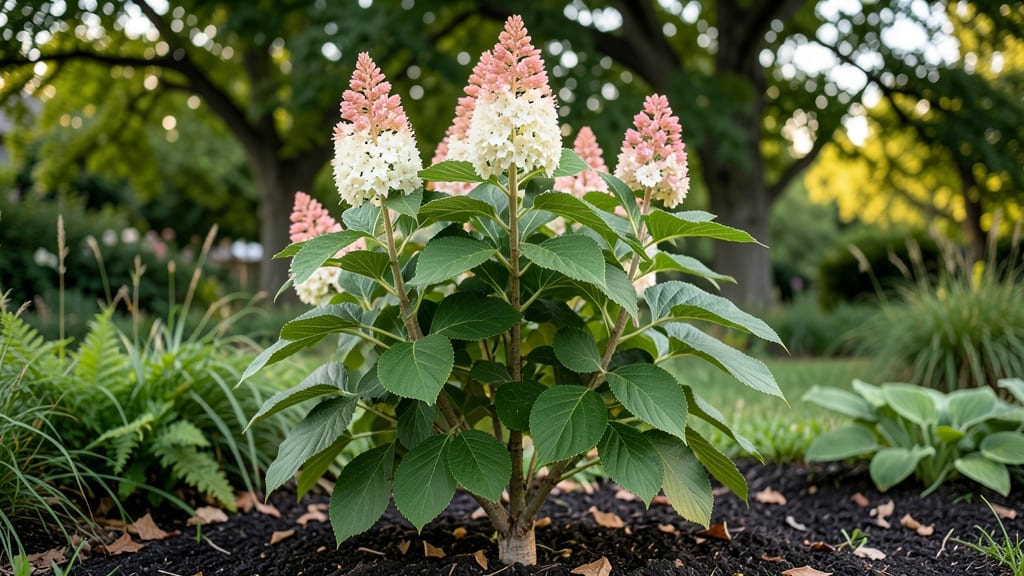
A hydrangea tree—how tall do they grow?—can range from a modest 3 feet to a towering 15 feet, depending on the variety and care you provide 🌸.
If you're dreaming of a stunning hydrangea tree but worried about whether it’ll dwarf your backyard, you’re in the right place. These beauties come in surprising sizes—from compact shrubs to towering giants—so knowing their growth habits is key to planning your garden masterpiece.
Some varieties, like the fast-growing Hydrangea paniculata, can shoot up 12 inches per year, while others, such as oakleaf hydrangeas, grow more slowly at 6 inches annually. The difference comes down to pruning, soil quality, and sunlight exposure.
In this guide, I’ll break down the height ranges for popular types, share tips to control their size, and help you pick the perfect variety for your space—whether you’ve got a cozy patio or a sprawling yard.


Hydrangea tree height by variety: from dwarf to giant sizes
Choosing the right hydrangea tree for your space starts with understanding their mature heights. Some varieties stay compact enough for small yards, while others grow tall enough to rival small trees.
The key is matching your garden layout with the right hydrangea species and cultivar—because a 20-foot giant won’t fit in a postage-stamp backyard! Let’s break down the sizes so you can pick the perfect fit.
Hydrangeas are often classified as shrubs, but many grow like trees when trained or left unpruned. Their height ranges vary dramatically: some stay under 3 feet, while others reach 20 feet or more.
The growth rate also differs—some gain 12 inches per year, while others grow just 6 inches annually. Knowing these details helps you plan for long-term spacing and maintenance.
Below, you’ll find a size comparison of popular hydrangea varieties, including their mature heights, growth rates, and ideal garden uses. Whether you’re dreaming of a privacy screen, a specimen plant, or a container-friendly shrub, there’s a hydrangea tree that fits your vision.
Pro Tip: Always check the cultivar name when shopping—some Hydrangea paniculata varieties, like 'Limelight,' grow 12–15 feet tall, while others, like 'Little Lime,' stay under 4 feet. The same goes for oakleaf hydrangeas (H. quercifolia), which can range from 6–12 feet depending on the variety.
| Variety | Mature Height | Annual Growth Rate | Best For | Notes |
|---|---|---|---|---|
| Hydrangea paniculata 'Little Lime' | 3–4 ft | 6–8 in | Containers, small gardens | Dwarf variety; great for patios |
| H. arborescens 'Annabelle' | 3–5 ft | 8–10 in | Foundation plants, borders | Classic white blooms; cold-hardy |
| H. quercifolia 'Snow Queen' | 6–8 ft | 6–9 in | Specimen plant, shade gardens | Oakleaf texture; slow grower |
| H. paniculata 'Limelight' | 8–15 ft | 10–12 in | Privacy screens, large gardens | Fast-growing; heat-tolerant |
| H. macrophylla 'Nikko Blue' | 4–6 ft | 6–8 in | Containers, mixed borders | Mophead type; needs shade |
| H. paniculata 'Grandiflora' | 10–12 ft | 12 in | Tall hedges, focal points | Long blooming season; sun-loving |
| H. quercifolia 'Pee Dee' | 12–15 ft | 8–10 in | Woodland gardens, large spaces | Fastest-growing oakleaf |
If you’re working with limited space, dwarf varieties like 'Little Lime' or 'Annabelle' are ideal for containers or small gardens. These stay under 5 feet and grow just 6–10 inches per year, making them perfect for
How fast do hydrangea trees grow? Yearly growth rates explained
Hydrangea trees grow at different speeds depending on the variety, but most add 6 to 12 inches per year under ideal conditions. Some varieties like panicle hydrangeas can grow 2 feet annually if given the right care, while others like oakleaf hydrangeas grow more slowly.
Understanding these rates helps you plan your garden layout and manage expectations for their mature size.
The growth rate of your hydrangea tree depends on several factors, including climate conditions, soil quality, and pruning habits. For example, a hydrangea in USDA Zone 7 with rich, acidic soil and regular pruning will outpace one in a drier, colder climate.
Seasonal growth patterns also play a role—most hydrangeas grow fastest in spring and early summer when temperatures are mild and moisture is consistent.
- 🌱 Panicle hydrangeas grow 12-24 inches per year, reaching 8-15 feet in 5-7 years (e.g., 'Limelight', 'Little Lime').
- 🌿 Oakleaf hydrangeas grow 6-12 inches per year, maturing at 6-12 feet in 8-10 years (e.g., 'Snow Queen').
- 🌳 Smooth hydrangeas ('Annabelle') grow 10-15 inches per year, reaching 3-5 feet in 3-5 years.
- ☀️ Full sun boosts growth by 30-50% compared to shade.
- ✂️ Pruning in late winter encourages faster growth in spring.
To maximize your hydrangea tree's growth, focus on soil preparation first. These trees thrive in acidic, well-draining soil with a pH of 5.0-6.0. Amending your soil with peat moss or compost before planting gives them a nutrient-rich start.
Additionally, mulching around the base helps retain moisture and regulate soil temperature, both of which support faster growth.
Pruning plays a critical role in controlling growth speed and direction. For panicle hydrangeas, prune in late winter or early spring to remove dead wood and shape the tree. This encourages new, vigorous growth in the current season.
Avoid heavy pruning in summer, as it can stress the plant and slow down growth. If you're aiming for a taller tree, avoid pruning the top branches, as this can stunt vertical growth.
Climate also impacts growth rates significantly. In warmer climates (Zones 7-9), hydrangeas often grow faster due to longer growing seasons. However, in cooler climates (Zones 4-6), growth may slow in early spring and late fall.
If you live in a colder region, consider planting in a sheltered location to protect young trees from frost and wind, which can damage tender new growth.
For gardeners with limited space, dwarf varieties like 'Endless Summer' hydrangeas are excellent choices. These grow 6-12 inches per year and typically stay under 3-5 feet tall, making them perfect for small yards or container gardening.
Even with slower growth, they still produce stunning blooms and require minimal maintenance compared to their larger counterparts.