
How To
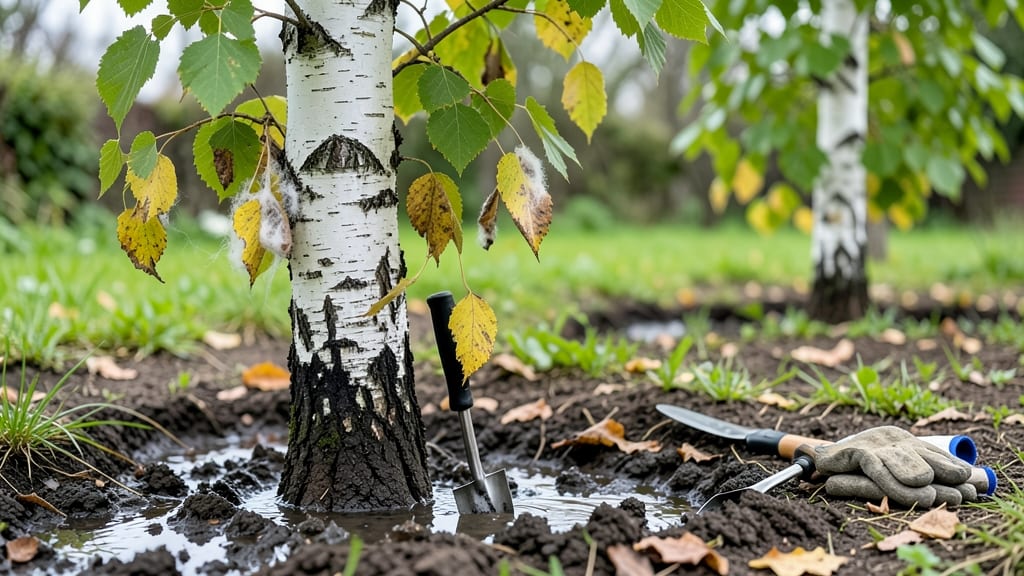
How to tell if your tree is overwatered—those yellowing leaves and perpetually damp soil might be screaming for help, literally. 🌳 Overwatering is the silent killer of trees, and spotting it early can save your plant from root rot and fungal infections. The signs are subtle at first: leaves turn yellow, soil stays soggy, and new growth wilts despite your best efforts to hydrate. I've learned the hard way that trees need breathing room in their roots. A simple test is to stick your finger 2 inches deep—if it feels damp, hold off on watering. Improving drainage with organic matter or adjusting your watering schedule can turn things around fast. The key is balance: trees hate soggy feet just as much as dry ones. What you'll discover is how resilient trees can be when given the right care. Within weeks, you'll see fresh green leaves and stronger growth as the roots recover. The secret is patience and observation—trees communicate their needs through subtle clues if you know what to look for. This works for backyard trees, container-grown specimens, and even young saplings. Let's get your tree back on track!
📚 In This Guide
- What you need
- Instructions
- Tips and common mistakes
- Wrapping up and next steps
What you need
- ● Garden trowel or small shovel – For digging a shallow soil sample (6–8 inches deep). A 5-inch stainless steel trowel works great!
- ● Gloves (waterproof or gardening gloves) – Protects your hands from damp soil and potential debris.
- ○ Moisture meter (optional but helpful) – A digital soil moisture sensor (e.g., Xiaomi Mi Flower Care) can give precise readings.
- ● Notebook & pen – To jot down observations like leaf color, soil texture, and drainage notes.
- ● Clear plastic bag or container – For collecting a soil sample to check for odor or pests.
- ● Ruler or measuring tape – To measure soil depth and track changes over time.
- ● Camera or smartphone – Snap photos of yellowing leaves, wilting branches, or soggy spots for comparison later.
- ● pH test kit – Overwatering can alter soil pH; a simple liquid test kit helps monitor balance.
- ● Pruning shears – If you notice mushroom growth or dead branches, you may need to trim them.
- ● Rain gauge – Track how much water your tree gets weekly to adjust care.
How to diagnose overwatered trees: key signs and fixes
Here's how I spot overwatered trees—and the simple fixes that save them.
🌿 Step 1: Check the Soil for Soggy Conditions
Stick your finger 2-3 inches deep into the soil around the tree's drip line. If it feels cold, compact, or smells like rotten eggs, that's your first red flag. Healthy soil should feel slightly moist but crumbly, like a damp sponge. Overwatered soil stays saturated for days, cutting off oxygen to roots.
I like to do this test after a rainstorm or heavy watering. If water pools around the base for more than 24 hours, your tree is drowning. This is especially true for clay-heavy soils, which hold moisture like a sponge and suffocate roots.
🍂 Step 2: Inspect Leaves for Yellowing Patterns
Overwatered trees often show yellowing leaves that start at the bottom of the tree and work upward. Unlike nutrient deficiencies (which yellow between veins), overwatered leaves turn uniformly pale yellow or even brown. They may also feel mushy when touched—a sure sign of root rot.
Here's the thing—if you see yellowing only on new growth, that's usually overwatering. But if older leaves yellow first, it might be a different issue. I always check both the soil and leaf pattern before jumping to conclusions.
🪴 Step 3: Look for Mushy Bark or Fungal Growth
Gently peel back a small section of bark near the base of the trunk. If it's soft, discolored, or covered in black or white mold, root rot has set in. You might also spot mushrooms or other fungi growing at the soil line—nature's way of saying "this tree is too wet."
Don't panic if you see a little mold. It's common in damp climates. But if the bark feels spongy or the tree oozes a dark liquid when scratched, you're dealing with a serious overwatering problem that needs immediate attention.
⏰ Step 4: Adjust Your Watering Schedule
Most mature trees only need 1 inch of water per week—including rainfall. If you're watering weekly in a humid climate, you're likely overdoing it. Instead, water deeply every 10-14 days and let the top 6 inches of soil dry out between sessions.
I always check the weather first. If we've had 3+ inches of rain in a week, I skip watering entirely. Overwatering is just as harmful as underwatering—it's all about balance. Use a rain gauge to track moisture accurately.
✂️ Step 5: Improve Drainage Around the Tree
If your tree is already showing signs of overwatering, fix the soil first. Dig a 12-inch deep trench around the drip line and fill it with gravel or coarse sand to improve drainage. This creates air pockets that prevent waterlogging.
For heavy clay soils, mix in compost or organic matter to loosen the texture. I avoid chemical amendments—they can disrupt the soil's natural balance. After amending, water deeply to help the soil settle into its new structure.
Tips & tricks for diagnosing overwatered trees
Real talk: Overwatering is the silent killer of trees—here's how to spot it before it's too late.
Soil Test Timing: The 2-3 inch soil check in Step 1 should happen after any recent watering to get an accurate reading. I test again after 24 hours if water pooled—this tells me if drainage is truly poor. In clay soils, I wait 48 hours to check because they hold moisture longer. The key is testing when the tree actually needs water, not when you think it does.
Leaf Texture Test: When you suspect overwatering in Step 2, gently press a leaf between your fingers. Healthy leaves feel firm but slightly flexible. Mushy leaves that collapse under pressure? That's your clearest sign of root rot. I've seen this happen within just 3-5 days of consistent overwatering in container-grown trees.
Bark Inspection Depth: In Step 3, don't just check the very bottom of the trunk—look 6-12 inches up from the soil line. This is where fungal growth often starts before spreading downward. I use a small knife to carefully lift a 1-inch square of bark (don't remove too much!) to check for soft spots or discoloration beneath the surface.
Watering Calendar Hack: For Step 4, I create a simple watering calendar marking the 10-14 day intervals and track rainfall. In my climate zone, I add a note to "skip if we've had 3+ inches of rain." This prevents me from watering when nature already provided enough moisture. I also mark the 6 inch soil depth with a small stake to visually track when it's time to water again.
Pro Tips for Tell If Tree Is Overwatered
- Real talk: Overwatering is the silent killer of trees—here's how to spot it before it's too late.
- Soil Test Timing: The 2-3 inch soil check in Step 1 should happen after any recent watering to get an accurate reading.
- Leaf Texture Test: When you suspect overwatering in Step 2, gently press a leaf between your fingers.
Frequently asked questions
Got questions about overwatered trees? You’re not alone! Here are some of the most common concerns—and their straightforward answers—to help you keep your trees thriving without the guesswork.
How often should I water my tree to avoid overwatering?
Watering frequency depends on your tree type, soil, and climate. As a general rule, most mature trees need 1-1.5 inches of water per week (including rainfall). For young trees, check soil moisture 2-3 inches deep—water only when it’s dry. Pro tip: Use a moisture meter or the "squeeze test" (grab a handful of soil; if it crumbles, it’s dry enough!
Why are my tree’s leaves turning yellow after watering?
Yellow leaves often signal overwatering, but they can also mean underwatering or nutrient deficiencies. Look for soggy soil, wilting, or leaves that feel mushy—these are red flags. If the soil smells like rot or the roots are gray/brown, you’ve overdone it. Fix it: Let the soil dry out slightly before watering again and improve drainage.
How long does it take for a tree to recover from overwatering?
Recovery time varies. If caught early (e.g., slightly soggy soil), roots may bounce back in 2-4 weeks with adjusted watering. Severe cases (root rot, fungal growth) can take months or even kill the tree. Act fast: Reduce watering, aerate compacted soil, and prune diseased branches to help recovery.
Can overwatering kill a tree?
Yes—absolutely. Overwatering cuts off oxygen to roots, leading to root rot (a fungal infection) or suffocation. Signs include mushy brown roots, wilting despite wet soil, and premature leaf drop. Unfortunately, once root rot spreads, the tree may not survive. Prevent it: Prioritize drainage and water only when the top 2-3 inches of soil are dry.
What’s a better alternative to frequent watering?
Instead of daily light watering, try deep, infrequent watering (1-2 times per week) to encourage strong root growth. Bonus tips:
- Mulch around the base (2-4 inches deep) to retain moisture without trapping excess water.
- Use soaker hoses or drip irrigation for slow, targeted hydration.
- Plant trees in well-draining soil (amend with compost or sand if needed).
Wrapping up and next steps
Spotting the signs of an overwatered tree—like yellowing leaves, mushy roots, or fungal growth—can save your green friend before it’s too late! 🌱 By checking soil moisture, inspecting foliage, and trusting your instincts, you’ll become a pro at keeping your tree thriving.
Now that you’re armed with the know-how, take action: adjust your watering schedule, improve drainage, and give your tree the love it deserves. Happy gardening!