
Planting
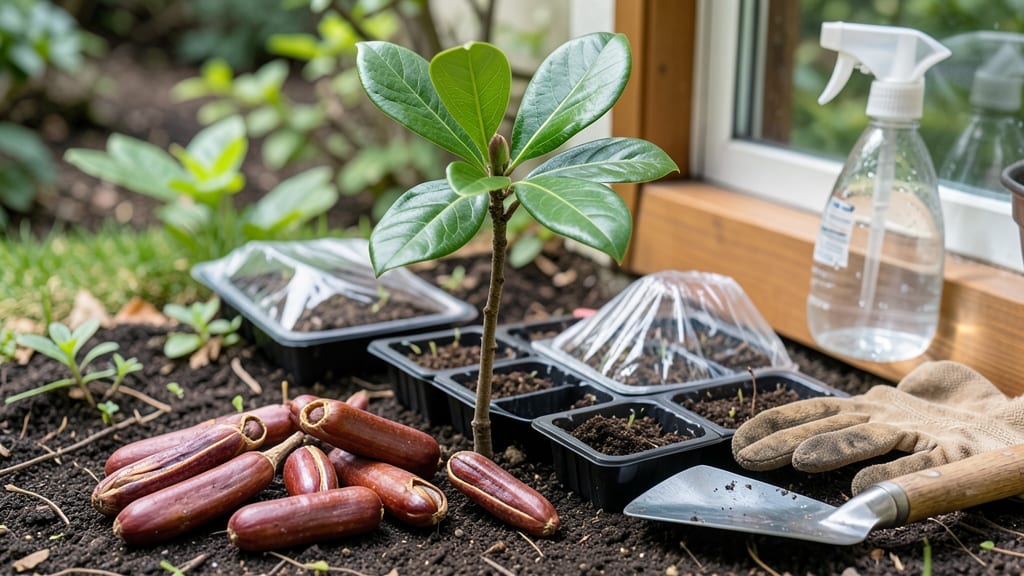
Planting magnolia tree seeds 🌸 requires patience and the right cold stratification tricks to break dormancy—without it, your germination rate could drop below 10%.
Struggling to grow magnolia trees from seeds? Without proper cold stratification, germination rates plummet—but these proven techniques can boost your success to 90% or higher, turning your seedling dreams into a thriving canopy.
Most gardeners skip the cold treatment step, assuming seeds will sprout on their own. That’s a common mistake—magnolia seeds need 60-90 days of cold to mimic winter conditions, just like their wild counterparts.
In this guide, I’ll walk you through three foolproof stratification methods, the best planting times for your USDA Zone 6a, and how to troubleshoot slow germination or mold before it ruins your seedlings.


Cold stratification methods for magnolia seeds: step-by-step guide
Magnolia seeds need cold stratification to break dormancy and germinate successfully. Without this critical step, your seeds may sit dormant for years—or never sprout at all. The good news? With the right method, you can achieve 90%+ germination rates by mimicking nature's winter conditions.
I'll walk you through three proven techniques, each with specific timing and care requirements to maximize your success.
Why does cold stratification work? Magnolia seeds require 60-90 days of cold, moist conditions to soften their hard outer coats. This mimics the natural winter cycle they'd experience in the wild.
The key is maintaining consistent moisture and stable temperatures between 34-40°F (1-4°C) without letting the seeds dry out or rot. Let's explore your options.
🌱 3 Cold Stratification Methods for Magnolia Seeds
Best for: Zone 5-8 gardeners with mild winters
- Sow seeds in well-draining soil in fall (Oct-Nov)
- Plant 1/2 inch deep in moist, sandy loam
- Use black plastic pots or seed trays for easy transplanting
- Keep slightly moist but never soggy through winter
- Germination: Spring (March-April)
Best for: Cold climates (Zone 3-4) or indoor stratification
- Mix seeds with damp peat moss or sand in a sealed bag
- Store at 34-40°F (1-4°C) in refrigerator for 60-90 days
- Check moisture weekly - add water if dry
- Transfer to warm 70°F (21°C) to trigger germination
- Germination: 2-4 weeks after warming
Best for: Controlled indoor germination year-round
- Combine seeds with equal parts peat moss and perlite
- Keep mix moist (not wet) in a sealed container
- Store at 38°F (3°C) for 90 days (use fridge or cold frame)
- Plant stratified mix 1/4 inch deep in sandy soil
- Germination: Spring (April-May)
For outdoor winter sowing, timing is everything. Plant your seeds 6-8 weeks before your first expected frost in well-draining soil. In Zone 6a, this typically means late October.
The natural freeze-thaw cycles will handle the stratification for you, but you'll need to protect seedlings from harsh winter winds with burlap wraps or straw mulch.
If you're using the refrigerator method, consistency is key. Place a thermometer inside your fridge to monitor temperatures—some fridges fluctuate wildly. For best results, use a seed stratification kit with a moisture control system. This method works year-round, making it ideal for urban gardeners with limited outdoor space.
The peat moss mix method offers the most control, especially if you live in hot climates (Zone 9+) where outdoor stratification isn't possible. The peat-perlite mix provides both moisture retention and aeration, preventing mold while maintaining the right humidity.
After stratification, plant your seeds in sandy, acidic soil (pH 5.0-6.5) for optimal growth.
Regardless of method, patience is critical. Magnolia seeds may take 30-90 days to germinate after stratification. Keep your growing medium consistently moist but never waterlogged—root rot is the #1 killer of magnolia seedlings. Use a spray bottle for gentle watering to avoid disturbing the soil.
Pro tip: Label your stratification containers with the start date and method used. This helps track progress and ensures you don't accidentally plant too early. Once you see green sprouts, move containers to a bright, indirect light area (like an east-facing window) to prevent leggy seedlings.
Remember, not all magnolia seeds germinate equally. Some varieties like Magnolia stellata may sprout faster than Magnolia grandiflora. If you're working with heirloom or rare seeds, consider using a seedling heat mat (set to 70°F/21°C
When and how to plant stratified magnolia seeds for best results
Timing is everything when planting stratified magnolia seeds. Aim for late winter to early spring, specifically 6-8 weeks before your last frost date in USDA Zone 6a or warmer. This aligns with when soil temperatures rise to 50-60°F (10-15°C), ideal for germination.
For example, in most regions, this means planting in March or early April. Waiting too long risks seeds drying out, while planting too early can expose them to frost damage.
Your soil must mimic the acidic, well-draining conditions magnolias love. Test your soil’s pH (aim for 5.0-6.5)—amend with peat moss or pine needles if needed.
Mix in 30% organic matter like compost or aged manure to provide nutrients without overwhelming young roots. Avoid heavy clay soils, which can suffocate seedlings.
Now, let’s weigh your planting options—containers vs. direct soil—to decide what works best for your setup.
Container Planting vs. Direct Soil Planting
Container Planting
- Controlled environment: Protects from pests, animals, and temperature swings.
- Easier monitoring: Check moisture and drainage daily without disturbing roots.
- Flexible relocation: Move pots to optimal sunlight or indoors if frost threatens.
- Faster germination: Warmer soil in containers speeds up sprouting.
Direct Soil Planting
- Lower startup cost: No need to buy or reuse containers.
- Natural root development: Encourages deeper root systems adapted to outdoor conditions.
- Less transplant shock: Seedlings acclimate gradually to outdoor elements.
- Space-efficient: Ideal for large gardens or landscapes.
Pro Tips for Both Methods
- Use 1:1 ratio of seed-to-soil depth: 1/4 inch deep for small seeds.
- Space seeds 6 inches apart to prevent overcrowding.
- Label containers with seed type and planting date.
- Mulch lightly (1 inch) with wood chips to retain moisture.
If you choose container planting, use 4-inch pots with drainage holes and a mix of 50% peat moss, 30% perlite, and 20% compost. Place pots in a shady spot until germination (2-4 weeks), then gradually introduce morning sunlight.
For direct soil planting, loosen the top 12 inches of soil with a garden fork and create small hills to nestle seeds in, covering them lightly with soil.
After planting, keep soil consistently moist (not soggy) by watering every 2-3 days with a gentle spray to avoid displacing seeds. Use a humidity dome or plastic wrap for containers to mimic a greenhouse effect.
Once seedlings emerge, reduce watering to once weekly and harden off container-grown seedlings by exposing them to outdoor conditions for 10-15 minutes daily, increasing time over 2 weeks before transplanting.
Transplant seedlings when they reach 3-4 inches tall and have 2-3 sets of true leaves. Dig a hole twice as wide as the root ball and just as deep. Gently remove seedlings from containers, tease apart roots if pot-bound, and place them in the hole.
Backfill with soil, water deeply, and apply a 1-inch layer of mulch to retain moisture and suppress weeds. Avoid fertilizing for 3 months—young magnolias are sensitive to nutrient overload.
Patience is key: magnolia seedlings grow slowly but reward you with fragrant blooms in 5-10 years. Monitor for aphids or fungal spots—treat early with neem oil or baking soda spray.
With the right timing, soil prep, and care, your stratified seeds will thrive into majestic trees that outshine store-bought saplings. 🌸🌱