
Pruning
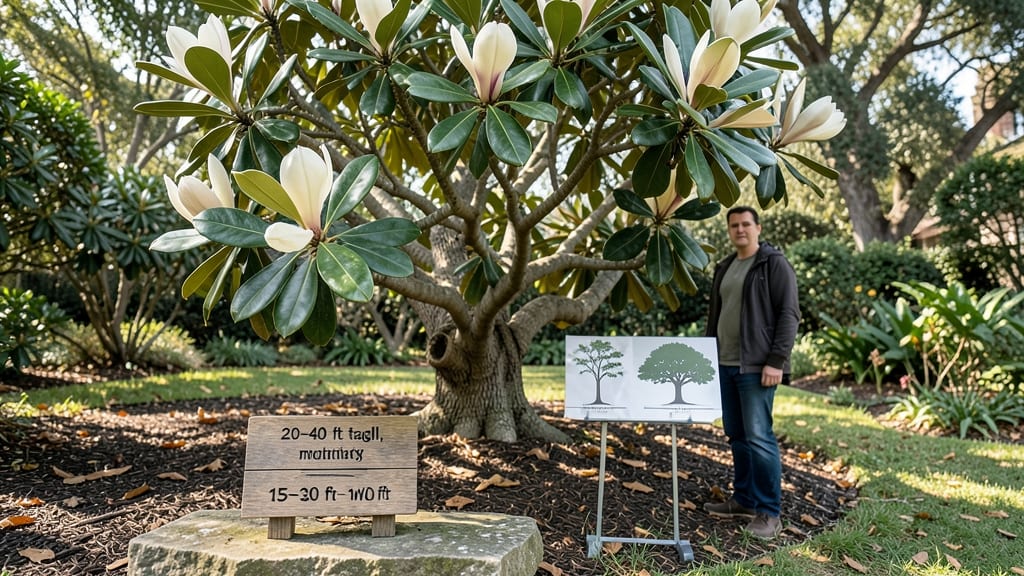
A magnolia tree’s height and width can transform your yard—but choosing the wrong variety might leave you with a 100-foot giant where you wanted a 10-foot focal point.
If you’re dreaming of a stunning magnolia tree but worried about whether it’ll outgrow your yard, you’re not alone—many gardeners overlook how quickly these majestic trees expand. The right variety can fit snugly in a small garden, while others need acres to stretch their roots.
From the towering Southern Magnolia (🌸) to the compact Little Gem, each type has a distinct growth pattern. Knowing these dimensions helps you pick a tree that thrives in your space without crowding your patio or power lines.
Below, I break down the fastest-growing varieties, their mature sizes, and how to space them for a balanced, beautiful landscape—no surprises included.

Magnolia tree height and width: mature size by fastest-growing varieties
Choosing the right magnolia tree for your landscape starts with understanding their mature height and growth rates. Some varieties like the Southern Magnolia can reach towering heights, while others like Little Gem stay compact—making them perfect for small yards.
Knowing these details helps you avoid planting a giant tree where it’ll overwhelm your space or block sunlight for other plants.
The fastest-growing magnolias can add 2-3 feet per year in ideal conditions, with some reaching their full size in just 10-15 years. This rapid growth is why they’re popular for quick landscape impact, but it also means careful planning is essential.
Below, I’ve broken down the top 10 fastest-growing varieties, including their mature dimensions and growth habits, so you can pick the perfect fit for your yard.
Pro Tip: Always check the root spread too—some magnolias have wide-spreading roots that need extra space. For example, the Saucer Magnolia has a 20-foot spread, while the Jane Magnolia stays under 10 feet wide. This makes all the difference in tight spaces!
How to choose a magnolia tree based on your yard’s space needs
Selecting the right magnolia tree for your yard starts with understanding its mature height and width. These evergreen beauties come in sizes ranging from compact dwarf varieties to towering standard magnolias.
My 10-foot-wide patio once inspired me to choose a Little Gem magnolia, but I soon learned spacing requirements are just as critical as the tree’s top growth.
Before planting, measure your yard’s available space—including overhead clearance for mature branches. A Southern Magnolia can spread 25-35 feet wide at maturity, while a Yulan magnolia stays under 15 feet tall and wide.
Root spread often equals the tree’s width, so account for that too when planning your landscape layout.
- 1 Dwarf varieties (8-15 ft tall) like Little Gem or Black Tulip work for small yards (10x10 ft spaces).
- 2 Semi-dwarf types (15-25 ft) such as Ann Magnolia fit medium yards with 20 ft clearance above driveways.
- 3 Standard magnolias (30-100 ft) require 30+ ft spacing—ideal for large properties or as focal points.
- 4 Root spread often matches canopy width—plant 5-10 ft from structures to avoid foundation damage.
- 5 Prune annually to control height—focus on removing crossing branches and shaping in late winter.
For urban gardens, consider container-grown magnolias like the Teddy Bear magnolia, which stays under 10 feet tall and thrives in 15-gallon pots.
Always check the USDA hardiness zone for your region—some varieties (like Saucer magnolias) prefer zones 4-9, while others (such as Evergreen magnolias) need zones 7-10.
My biggest mistake? Ignoring the root flare when planting a 20-foot magnolia too close to my patio. The roots lifted the concrete over three years. Always plant with the root flare visible above soil level and use mulch rings to protect young roots during winter.
When in doubt, consult your local nursery expert—they can recommend slow-growing varieties or suggest pruning techniques to keep your magnolia in check. With the right spacing and care, your magnolia will thrive for decades, becoming the centerpiece of your landscape. 🌸