
How To
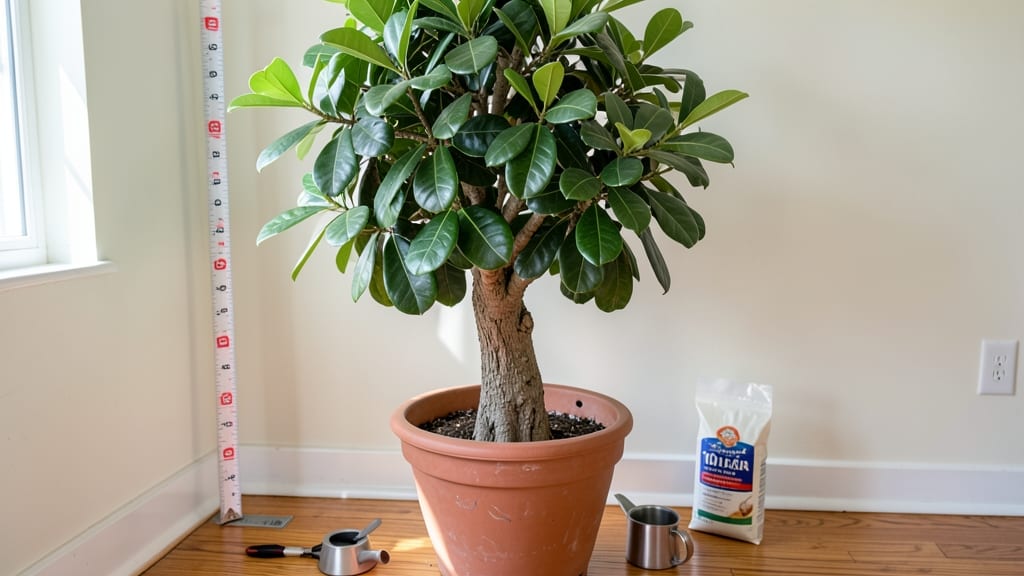
How tall will an avocado tree grow indoors? With proper care, it typically reaches 6 to 10 feet, though some varieties stay shorter—especially when pruned regularly.
Dreaming of growing your own avocados indoors but worried about limited space? The good news is that with the right techniques, you can keep your 🥑 avocado tree compact while still enjoying its lush foliage.
Whether you’re working with a small apartment or just prefer a manageable size, controlling height is all about light, pruning, and pot selection.
Outdoor avocado trees can tower over 20 feet, but indoors, their growth slows dramatically. Without proper care, they may stretch leggily toward light or become root-bound, stunting their potential. The key is balancing sunlight, container size, and pruning to encourage healthy, controlled growth.
In this guide, I’ll walk you through the factors that influence indoor height—from choosing the right variety to mastering pruning techniques—so you can enjoy a thriving 🥑 avocado tree without sacrificing your living space.


Indoor avocado tree height guide: expected growth by variety and pruning
Growing an avocado tree indoors is a rewarding challenge, but its height can quickly become a concern in small spaces. Without proper care, even dwarf varieties can reach 10 feet or taller indoors. The good news?
With the right variety selection and pruning techniques, you can keep your tree between 3–10 feet while maintaining its health and aesthetic appeal. Let’s explore how different avocado varieties grow indoors and how to control their height effectively.
Avocado trees thrive indoors but require patience—most take 3–5 years to reach their mature height, depending on the variety. Factors like light exposure, container size, and pruning frequency play a huge role in determining how tall your tree will grow.
For example, a Hass avocado tree left unpruned indoors can easily surpass 10 feet, while a Mexicola variety stays more compact at 6–8 feet with proper care.
Here’s a quick reference for expected heights of popular indoor avocado varieties, including their growth rates and space requirements:
| Variety | Mature Height (Indoors) | Growth Rate (First 3 Years) | Pruning Needs | Space Requirements |
|---|---|---|---|---|
| Hass | 8–12 ft (unpruned) | 1–3 ft/year | High (regular pruning) | Large pot (15+ gallons) |
| Bacon | 6–10 ft (pruned) | 1–2 ft/year | Moderate (shape pruning) | Medium pot (10–15 gallons) |
| Fuerte | 7–11 ft (unpruned) | 2–3 ft/year | High (topping required) | Large pot (15+ gallons) |
| Mexicola | 6–8 ft (compact) | 1 ft/year | Low (minimal pruning) | Medium pot (8–12 gallons) |
| Lamb Hass | 5–8 ft (dwarf) | 0.5–1 ft/year | Minimal (shape only) | Small pot (5–10 gallons) |
The Mexicola and Lamb Hass varieties are ideal for small spaces because they naturally stay shorter, even without aggressive pruning. However, even these varieties can grow taller if given too much light or nutrients.
For example, a Lamb Hass in a sunny south-facing window with rich soil might reach 8 feet in 3 years, while the same tree in a north-facing room with moderate light could stay under 5 feet.
Pruning is the most effective way to control height, but it’s not just about cutting branches. The key is to prune at the right time—typically in late winter or early spring—when the tree is entering its active growth phase.
This encourages bushier growth and prevents the tree from becoming top-heavy. Use clean, sharp pruning shears to make cuts just above a leaf node or bud to promote new growth in the desired direction.
Another critical factor is container size. Avocado trees grown in smaller pots (5–10 gallons) will naturally stay shorter because their root growth is restricted. However, this also means you’ll need to repot every 2–3 years to accommodate root expansion.
If you’re aiming for a compact tree under 6 feet, start with a 10-gallon pot and prune regularly to maintain the shape. For taller varieties like Hass or Fuerte, a 15–20 gallon pot is ideal to support their height while keeping them stable.
Light exposure directly impacts height—avocado trees grown under bright indirect light (like a south or west-facing window) will grow faster and taller than those in low-light conditions.
If your tree starts stretching toward the light (a condition called etiolation), it’s a sign it needs more light or a growth regulator to slow its vertical growth. In such cases, supplement with a grow light for 12–14 hours/day to keep the tree compact and healthy.
One common mistake is assuming that pruning will stunt growth permanently. While pruning slows height increase, it doesn’t stop it entirely—especially if the tree receives ample light and nutrients.
For example, a Hass avocado pruned to 6 feet one year might still grow 1–2 feet taller the next year if conditions are ideal.
To truly limit height, combine pruning with root restriction by keeping the tree in a smaller pot and using a balanced fertilizer (like 6-6-6) to encourage lateral growth over vertical.
If you’re planning to
5 Space-saving techniques to control avocado tree height indoors
Growing an avocado tree indoors is rewarding, but uncontrolled growth can quickly turn your cozy space into a jungle. The key to managing height lies in proactive techniques that balance aesthetics and health. Without intervention, your indoor avocado can reach 6–10 feet within 3–5 years, overwhelming even spacious apartments.
The good news? With the right strategies, you can keep it compact—3–5 feet tall—while maintaining its vitality.
Every technique comes with trade-offs, like reduced fruit production or slower growth, but the benefits—space efficiency and easier care—often outweigh them. Start by choosing a method that aligns with your space constraints and willingness to prune.
For example, topping is aggressive but effective, while container size selection offers a low-maintenance alternative. Let’s explore your options, step by step.
- 1 Topping: Cut the main stem 12–18 inches from the top to force bushier growth. Use sterilized pruners and apply pruning paste to wounds to prevent disease. Expect 3–4 new shoots within 4–6 weeks.
- 2 Defoliation: Remove 1/3 of leaves to slow vertical growth. Focus on older leaves to reduce transpiration and redirect energy to lateral branches. Do this in spring or early summer for best results.
- 3 Dwarfing Rootstocks: Plant grafted avocado trees on dwarfing rootstocks like Mexicola. These stay 50–70% smaller than standard varieties. Requires purchasing from specialty nurseries but eliminates ongoing pruning.
- 4 Container Size: Use smaller pots (12–15 inches) to restrict root growth. Repot only when roots circle the pot’s base. Avoid oversized containers, which encourage rapid vertical growth.
- 5 Seasonal Growth Cycles: Prune late winter/early spring before new growth starts. Reduce fertilizer in fall/winter to slow growth during dormancy. This mimics natural outdoor cycles and keeps height gains predictable.
Each technique targets a different aspect of growth—topping and defoliation focus on above-ground management, while rootstocks and container size limit growth from the ground up. For example, if you’re short on time, seasonal pruning combined with smaller pots can keep your tree under 5 feet with minimal effort.
Pair these methods with bright indirect light and consistent watering to ensure your tree stays healthy while staying compact.
Remember, avocado trees indoors rarely fruit, so prioritize aesthetics and space over yield. If you notice yellowing leaves or stunted growth after pruning, adjust your approach—over-pruning can stress the tree. For instance, if you top your tree too aggressively, it may produce weak, leggy shoots.
Balance is key: aim for 2–3 main branches to maintain a full, bushy shape without sacrificing height control.
Start with one technique this season, like topping in spring or repotting into a smaller container, and observe how your tree responds. Over time, you’ll find the perfect balance between space efficiency and plant health that works for your home.
With patience and consistency, your indoor avocado will thrive—without taking over your living room.