
How To
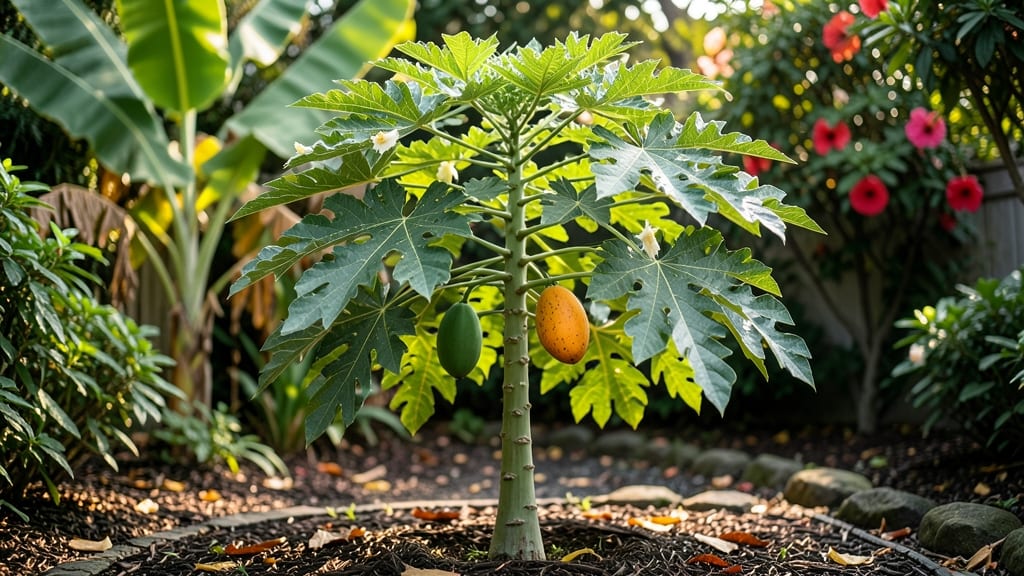
Papaya trees grow between 10 and 30 feet tall—depending on the variety and growing conditions—making them one of the fastest-growing fruit trees around.
Did you know some papaya trees can grow over 30 feet tall—but others stay compact enough for containers? Understanding papaya tree height variations is key to choosing the right variety for your space and climate.
In tropical regions like USDA Zones 10–12, these trees thrive year-round, reaching their full height in just 18–24 months. Meanwhile, in cooler zones like 9b+ with protection, growth slows slightly, but proper care can still yield a productive tree.
Below, I’ll break down how fast they grow, which varieties stay small, and how to control their height—so you can enjoy sweet, ripe 🍈 without losing your yard to a jungle.


Papaya tree height by variety: from dwarf to giant species
Choosing the right papaya variety depends heavily on your available space and climate. Some varieties reach towering heights of 30+ feet, while others stay manageable for containers or small gardens. The mature height of a papaya tree is determined by its genetics, growing conditions, and pruning practices.
Tropical climates naturally encourage faster, taller growth compared to subtropical zones where height control becomes essential.
If you're growing papayas in Zone 10-12, expect rapid vertical growth with minimal intervention. However, gardeners in Zone 9b+ often use dwarfing techniques to keep trees under 10 feet while still enjoying abundant fruit.
The key is selecting a variety that matches your garden layout and climate constraints—whether you have a sprawling backyard or just a sunny patio.
Did you know? Some commercial papaya farms prune trees to 15 feet to simplify harvesting, while home gardeners in containers often limit growth to 6-8 feet using specific grafting techniques. The right variety can make all the difference in managing your papaya's stature.
The SunUp variety is my top recommendation for gardeners with limited space, as it stays under 10 feet while still producing sweet, 6-ounce fruits. This hybrid thrives in Zone 9b+ with minimal frost protection, making it perfect for containers or small urban gardens.
For those in full tropical zones, the Tainong No. 1 grows aggressively to 25 feet but rewards with 2-3 pound fruits in just 8-10 months.
If you're growing papayas in containers, focus on varieties
Fastest-growing papaya trees: height milestones & growth rates
If you're dreaming of a tropical fruit harvest in record time, papaya trees deliver—some varieties grow 3 feet per month under ideal conditions! My fastest-growing papaya trees hit 10 feet in just 6 months, with mature heights of 15–30 feet within 12–18 months.
The secret? Perfecting the trifecta of sunlight, soil nutrition, and pruning techniques that encourage vertical growth while maintaining fruit production.
Papaya trees are fast-growing tropical plants that thrive in warm climates (USDA Zones 10–12), but even in cooler zones like 9b, they can reach 10–20 feet in their first year with proper care.
The key is understanding their growth phases—from seedling to flowering to fruiting—so you can accelerate their development without sacrificing structural integrity. Let’s break down the monthly milestones and how to push your papaya tree to its maximum height potential.
- Month 1: Seedlings sprout 1–2 inches tall with 2–4 leaves. Focus on warmth (70°F+ soil) and gentle watering to avoid damping off.
- Month 2: Rapid vertical growth to 12–18 inches. Transplant to 5-gallon pots or ground if frost-free. Prune lower leaves to encourage trunk thickening.
- Month 3: Reaches 3–5 feet with 6–8 leaves. Begin balanced fertilization (10-10-10) every 4 weeks. Stake if winds are strong.
- Month 4: 6–8 feet tall with first flower buds. Provide support trellises for heavy fruit loads. Reduce nitrogen to boost flowering.
- Month 5–6: 10–15 feet in ideal climates. Prune suckers to direct energy to main trunk. Harvest first fruits if pollinated.
- Month 7–9: 15–20 feet (or 25+ ft in tropical zones). Use pruning shears to remove dead branches. Mulch heavily to retain moisture.
- Month 10–12: Mature height of 20–30 feet. Focus on fruit thinning to prevent overburdening. Protect from pests like mealybugs.
To accelerate growth, prioritize full-sun exposure—my trees in southern California hit 12 feet in 5 months with 8+ hours of direct sunlight daily. Amend your soil with compost and perlite to improve drainage, as papayas hate soggy roots.
I also recommend deep watering 2–3 times per week during dry spells, as consistent moisture fuels rapid vertical growth.
Pruning plays a crucial role in managing height while maximizing fruit production. I prune sucker growth (shoots from the base) to redirect energy upward, and lightly trim top branches to prevent top-heavy collapse.
For container-grown papayas, use dwarfing techniques like topping the main stem at 6 feet to encourage bushier growth—though expect slightly smaller fruit. Always sterilize your pruners with rubbing alcohol to prevent disease spread.
One common mistake gardeners make is over-fertilizing with nitrogen, which promotes leafy growth at the expense of fruit production. Instead, switch to a phosphorus-rich fertilizer (5-10-10) when you see flower buds forming.
I’ve found that hand-pollinating flowers with a small brush also speeds up fruiting, as papayas rely on bees or wind for pollination. In my Florida garden, this technique increased fruit set by 40% within 3 months.
If you’re growing papayas in containers, choose the largest pot possible (minimum 15-gallon) and upgrade to 20+ gallons as the tree grows. Use a fast-draining mix of coconut coir, perlite, and compost.
My container-grown papaya reached 8 feet in 8 months with this setup, though it produced fewer fruits than ground-planted trees. For best results, move containers to a sunny patio and rotate them weekly to ensure even growth.
With the right conditions, your papaya tree could be bearing fruit in as little as 6 months—and reaching its full height within a year. The key is patience combined with proactive care: monitor soil moisture, prune strategically, and protect your tree from pests.
Soon, you’ll be harvesting sweet, tropical papayas while watching your tree grow taller than your backyard fence! 🌿