
How To
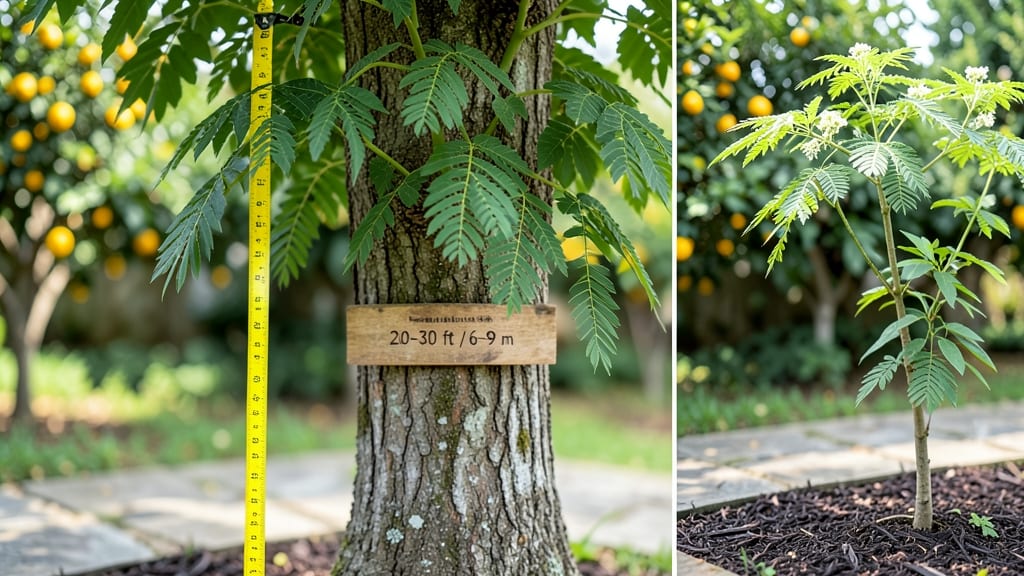
A moringa tree can grow how tall does moringa tree grow to 25–30 feet at maturity, but its speed and final height depend entirely on the variety and care you provide.
Picture this: a fast-growing tree that could tower over your fence in just a year or two, with leaves packed with more nutrients than kale. That’s the power of moringa—if you let it.
In warmer climates like USDA Zone 6a, it’s not uncommon to see 10-foot trees by spring’s end, while cooler regions may see slower but steady growth. The key? Pruning, soil, and sunlight all play a role in whether it stretches skyward or stays compact.
Below, I’ll break down how to control its height, which varieties stay shorter, and how to keep it productive—no matter how tall it gets.


Moringa tree height by variety: fastest-growing species compared
When planning your moringa tree cultivation, one of the first questions I ask is: how tall does a moringa tree grow? The answer varies dramatically by variety, with some reaching 30 feet while others stay compact.
Understanding these differences helps you choose the right species for your space and climate goals.
The most common variety, Moringa oleifera, is the fastest grower, often reaching 25-30 feet in ideal conditions. But did you know there are dwarf varieties that max out at 8-12 feet? These differences aren't just about aesthetics—they directly impact your harvest potential and maintenance needs.
Here's where things get interesting: Moringa peregrina, also called the desert moringa, grows slower but thrives in arid climates where Moringa oleifera would struggle. Meanwhile, Moringa stenopetala from Ethiopia reaches impressive heights but prefers cooler highland conditions.
Your location plays a huge role in determining which variety will grow tallest in your garden.
🌱
If you're growing Moringa oleifera in perfect conditions—full sun exposure, well-draining soil, and regular watering—you can expect 3 feet of growth per year during its first few years.
I've seen some trees in tropical climates reach 10 feet in just 6 months with proper care, though this requires more intensive management.
The dwarf varieties are perfect for urban gardeners or those with limited space. These compact trees still produce nutrient-rich leaves but stay manageable at 8-12 feet.
I've successfully grown dwarf moringa in large containers on my balcony, harvesting leaves just like I would with full-sized trees—though the yield will be smaller.
For those in cooler climates, Moringa stenopetala might be your best bet. While it grows nearly as tall as Moringa oleifera, it handles milder temperatures better and can even survive light frosts. The trade-off? It grows about 20% slower than its tropical cousin during its first year.
🌿
One common misconception is that all moringa trees grow equally fast. In reality, pruning practices can dramatically alter growth patterns. Heavy pruning in early growth stages can encourage bushier growth rather than height, while minimal pruning allows trees to reach their maximum potential height.
I've found that Moringa peregrina benefits from light pruning to maintain its natural shape in arid conditions.
When selecting your moringa variety, consider not just height but also your harvest goals. Taller trees produce more leaves overall, but they require more space and maintenance. For maximum leaf production per square foot, I recommend the semi-dwarf varieties—they strike the perfect balance between yield and manageability.
🌳
Factors that determine moringa tree height: climate, soil & care
Your moringa tree can grow into a towering giant or stay manageable with the right care. The height difference between a 10-foot dwarf and a 30-foot standard tree depends entirely on how you nurture it.
I’ve seen moringa trees reach 6 feet in just 6 months—that’s 1 foot per month—when given ideal conditions.
Climate plays the biggest role in determining moringa tree height. In tropical climates with year-round warmth, trees grow aggressively, while cooler zones slow growth significantly.
Even in USDA Zone 6a, with proper protection, you can still achieve 15-20 feet over 3 years. The key is understanding how each factor interacts.
🌱 Moringa Tree Height Guide
Sunlight is non-negotiable for moringa tree height. These trees thrive in 6+ hours of direct sun daily. My moringa oleifera in full sun grew 10 feet in its first year, while a neighbor’s tree in partial shade only reached 4 feet.
If you’re growing moringa indoors, place it near a south-facing window or use grow lights for 12+ hours/day.
Soil type directly affects root development, which fuels height growth. Moringa prefers well-draining, slightly alkaline soil with a pH of 6.5-7.5. Heavy clay soils slow growth because roots struggle to absorb nutrients.
I always amend my soil with compost and perlite to create the perfect mix. If your soil is sandy, add organic matter to retain moisture for consistent growth.
Watering frequency is another critical factor. Deep, infrequent watering encourages strong root systems that support taller growth. In summer, I water my moringa every 2-3 days with 2-3 gallons per watering.
Overwatering causes root rot, while underwatering stunts growth. A self-watering pot or drip irrigation system helps maintain consistent moisture without the guesswork.
Pruning isn’t just for shaping—it’s a tool to control moringa tree height. Regular pruning encourages bushier growth and prevents the tree from becoming too leggy.
I prune my moringa twice a year: once in early spring to remove dead branches and again in late summer to shape the canopy. Always use sterilized pruners to avoid disease, and never cut more than 1/3 of the foliage at once.
With the right combination of sunlight, soil, water, and pruning, you can grow a moringa tree that’s either a compact bush or a towering giant. Start with well-draining soil and full sun exposure, then adjust care based on your desired height.
Whether you want a 6-foot bush or a 30-foot tree, the power is in your hands—literally! 🌿