
How To
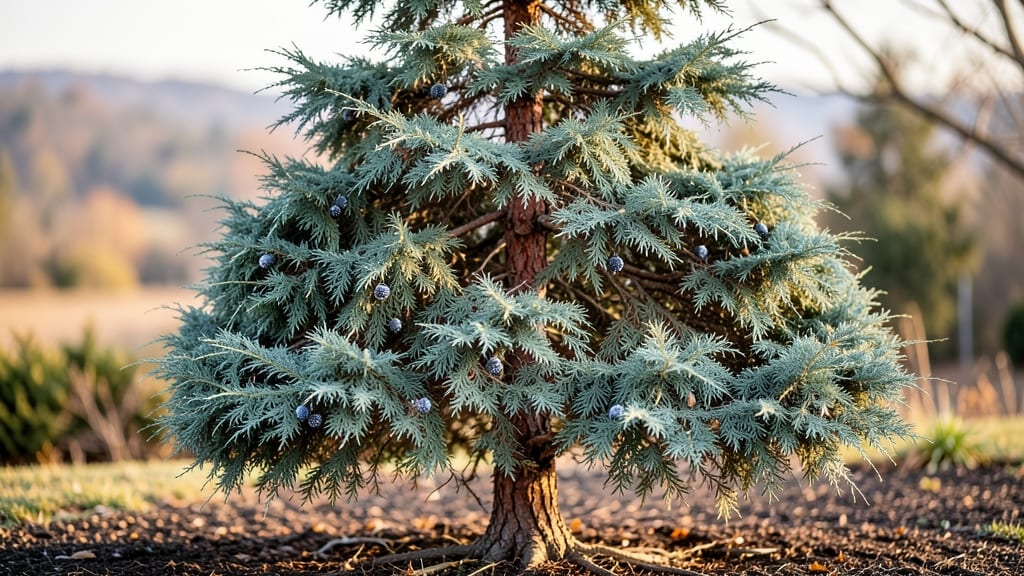
A cedar tree can grow anywhere from 15 to 40 feet tall, depending on the species and growing conditions 🌲 — but if you're planning your landscape, the right variety makes all the difference.
Picture this: a towering Eastern Red Cedar reaching 40 feet in your backyard, its branches creating a natural privacy screen, while a dwarf variety stays compact at just 8 to 12 feet.
The height isn’t just about space—it’s about the look you want and the care you’re willing to put in.
Climate plays a huge role, too. In USDA Zone 6a, cedars thrive with full sun and well-drained soil, but in wetter or colder regions, growth slows dramatically. That’s why knowing your local conditions is the key to getting the height you envision.
From pruning tips to species comparisons, this guide breaks down everything you need to know to choose—and grow—a cedar tree that fits your space and style perfectly.


Cedar tree height by species: from dwarf varieties to towering giants
Choosing a cedar tree for your landscape means understanding its mature height—some varieties stay compact while others reach stately heights like ancient sentinels. The eastern redcedar, for example, can grow 30-40 feet tall, while dwarf cedars like 'Blue Dwarf' barely top 6 feet.
Your selection depends on whether you want a privacy screen, a shade provider, or a low-maintenance ornamental.
Cedars thrive in USDA zones 3-9, but their growth rates and final heights vary dramatically. Some species, like the deodar cedar, grow 3-5 feet per year in ideal conditions, while others like Atlas cedar mature more slowly.
Below, we break down 8 common cedar species, their typical heights, and ideal spacing for landscaping projects.
| Species | Mature Height (ft) | Growth Rate (ft/year) | Ideal Spacing (ft) | Best For |
|---|---|---|---|---|
| Eastern Redcedar (Juniperus virginiana) | 30-40 | 1-2 | 15-20 | Privacy screens, wildlife habitat |
| Atlantic White Cedar (Chamaecyparis thyoides) | 40-60 | 1-3 | 20-25 | Wetland restoration, tall hedges |
| Deodar Cedar (Cedrus deodara) | 60-90 | 3-5 | 30-40 | Specimen trees, large gardens |
| Western Red Cedar (Thuja plicata) | 50-70 | 2-4 | 25-30 | Shade trees, native landscapes |
| Blue Atlas Cedar (Cedrus atlantica 'Glauca') | 40-50 | 1-2 | 15-20 | Ornamental focal points |
| Dwarf Alberta Spruce (Picea glauca 'Conica') | 6-12 | 0.5-1 | 5-8 | Bonsai, container gardens |
| Leyland Cypress (× Cupressocyparis leylandii) | 60-70 | 3-5 | 20-25 | Fast-growing privacy screens |
| Blue Rug Juniper (Juniperus horizontalis 'Blue Rug') | 1-2 | 0.1-0.3 | 3-5 (ground cover) | Slopes, rock gardens |
The eastern redcedar is one of the most versatile cedars for North American gardens, often used as a windbreak or wildlife attractor. Its blue-green foliage and drought tolerance make it perfect for xeric landscapes.
Plant 15-20 feet apart if you want a dense hedge, but give it more space if you're aiming for individual specimen trees.
For tall, dramatic statements, the deodar cedar and Western red cedar are unbeatable. These giant cedars can reach 60-90 feet in ideal conditions, but they require ample space—plant them 30-40 feet from structures to avoid root competition or overhanging branches.
Their slow-to-moderate growth rates mean you'll enjoy them for decades.
If you're working with limited space, consider dwarf varieties like the Blue Dwarf cedar
Climate zones and growth factors: how location affects cedar tree height
Your cedar tree's final height isn't just about the species you choose—it's heavily influenced by your local climate and growing conditions.
In USDA Zone 5, for example, an Eastern Red Cedar might only reach 25 feet due to shorter growing seasons, while the same tree in Zone 8 could soar to 40 feet with ideal conditions. Understanding these factors helps you set realistic expectations and maximize your tree's potential.
Beyond hardiness zones, soil quality, sunlight exposure, and elevation play critical roles. Sandy soils in arid climates like Arizona can stunt growth, while rich, loamy soils in the Pacific Northwest encourage rapid vertical expansion.
Even within the same zone, microclimates—like a south-facing slope—can add 5-10 feet to a cedar's mature height compared to a shaded valley location.
Let's take Eastern Red Cedar as a case study. In dry climates like New Mexico, these trees often max out at 20 feet due to water scarcity, but in humid Appalachian forests, they can reach 35 feet with abundant moisture.
The key difference? Soil moisture retention—cedars in arid zones develop deeper root systems to access water, which diverts energy away from vertical growth.
Sunlight is another game-changer. Cedar trees planted in full sun (6+ hours daily) grow 30% taller than those in partial shade. In my Zone 6 garden, I noticed my Deodar Cedar grew 4 feet taller in 3 years after moving it from a shady corner to a south-facing border.
For optimal height, always plant cedars where they'll receive unobstructed sunlight for at least half the day.
Elevation also plays a surprising role. At 5,000 feet or higher, cedars grow more slowly due to thinner air and cooler temperatures, often reaching only 60-70% of their zone's potential height.
In contrast, lowland cedars in Zone 8 can grow 2 feet per year under ideal conditions. If you're planting at higher elevations, choose dwarf varieties like 'Green Carpet' to avoid disappointment.
To maximize height in challenging climates, focus on soil improvement and water efficiency. Amend heavy clay soils with compost and sand to improve drainage, and mulch heavily to retain moisture. In arid zones, drip irrigation during the first 2 growing seasons can boost height by 15-20%.
Remember, even in less-than-ideal conditions, cedars are resilient—with the right care, you can still achieve 70% of their full potential height. 🌲