
How To
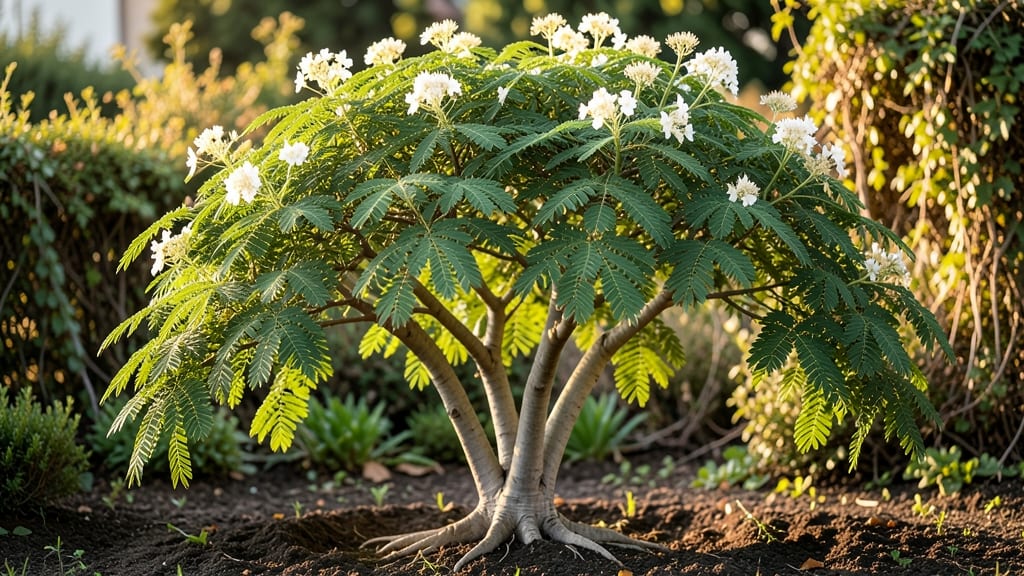
A moringa tree grows how tall does a moringa tree grow to between 8 and 10 feet under ideal conditions, but it can easily stretch to 20–30 feet in the wild if left unchecked—making it one of the fastest-growing trees on the planet 🌳.
If you're considering growing moringa for its nutritional power or medicinal benefits, knowing its growth potential is key—because this fast-growing tree can reach surprising heights depending on the variety and growing conditions.
In the right climate—like USDA Zones 9–11—a moringa tree can shoot up 6–10 feet in its first year alone, with mature heights often exceeding 20 feet if not pruned regularly. That’s why many gardeners opt for controlled pruning to keep it manageable while still harvesting those nutrient-packed leaves.
Below, I’ll break down exactly how tall different moringa varieties grow, the factors that influence their height, and how to manage its size whether you’re growing it in a pot or a backyard plot.


Moringa tree height by variety: exact growth ranges explained
If you're growing moringa for its nutrient-packed leaves or medicinal properties, understanding its height potential is crucial. The Moringa oleifera, the most common variety, can grow 25-30 feet tall under ideal conditions—but not all varieties reach this height.
Factors like climate, pruning, and soil quality dramatically influence growth rates and mature size.
For home gardeners with limited space, some varieties offer shorter stature options, while others grow aggressively if left unchecked. Below, I’ll break down the exact height ranges for the most popular moringa varieties, including how growth rates and environmental conditions affect their final height.
| Variety | Mature Height Range | Annual Growth Rate | Climate Suitability | Pruning Needs |
|---|---|---|---|---|
| Moringa oleifera (Standard) | 25-30 feet | 3-5 feet/year (first 3 years) | Tropical/Subtropical (USDA Zones 9-11) | High (prune to control height) |
| Moringa peregrina (Desert Moringa) | 10-15 feet | 2-3 feet/year (slower growth) | Arid/Semi-Arid (Zones 8-11) | Moderate (drought-resistant, less pruning) |
| Dwarf Moringa (Grafted) | 6-10 feet | 1-2 feet/year (controlled growth) | Container-friendly (Zones 9-11) | Low (prune minimally) |
| Moringa stenopetala (Ethiopian Moringa) | 15-20 feet | 2-4 feet/year (moderate) | High-altitude tropical (Zones 10-11) | Moderate (prune for shape) |
Height ranges vary based on growing conditions, pruning, and soil fertility.
As you can see, Moringa oleifera is the tallest variety, often reaching tree-like proportions if unchecked. In contrast, Moringa peregrina stays shorter and thrives in drier climates, making it ideal for arid regions.
If you’re growing moringa in containers or small gardens, grafted dwarf varieties are your best bet for controlled height.
The annual growth rate is another critical factor. In the first 3 years, Moringa oleifera can shoot up 3-5 feet per year, while dwarf varieties grow much slower at 1-2 feet annually.
This rapid growth means regular pruning is essential to manage size and encourage bushier, leafier growth—which is perfect for harvesting.
Your local climate also plays a huge role. Moringa trees thrive in full sun and well-draining soil, but Moringa peregrina is uniquely adapted to drought conditions.
If you live in a cooler climate (Zones 8 or below), consider growing moringa in containers and bringing it indoors during winter to control height and extend its lifespan.
Pruning isn’t just about controlling height—it also boosts leaf production. I recommend pruning young moringa trees every 3-4 months to encourage lateral branching. For standard varieties, aim to trim back 1/3 of the height in early spring to promote bushier growth and prevent overgrowth.
With dwarf varieties, minimal pruning is needed, but removing dead or yellowing leaves keeps the plant healthy.
One common misconception is that moringa trees stop growing once they reach maturity. In reality, they continue growing slowly if given the right conditions. However, their growth rate slows significantly after 3-5 years.
This is why pruning and harvesting become even more important—it stimulates new growth and prevents the tree from becoming woody.
For container gardening, choose dwarf or grafted varieties and ensure your pot is at least 18-24 inches deep to accommodate root growth. Without proper root space, moringa trees won’t reach their full height potential but may also struggle to thrive.
Always use well-draining soil mixed with compost to support healthy growth.
If you’re growing moringa for medicinal or nutritional purposes, remember that younger, shorter trees often produce tenderer leaves. Regular harvesting and pruning not only controls height but also encourages continuous leaf production.
With the right variety and care, you can enjoy a compact, productive moringa tree even in small spaces.
Moringa growth stages: height milestones from seed to maturity
Watching a moringa tree grow from a tiny seedling to a towering nutritional powerhouse is one of the most rewarding experiences for gardeners. In just 6-12 months, you can see dramatic height changes—especially when conditions are ideal.
The first 3 months are the most critical for establishing a strong root system, while the 6-12 month mark brings explosive vertical growth. Understanding these stages helps you anticipate space needs and adjust care routines.
Moringa's growth isn't linear—it experiences three distinct spurts: the initial seedling phase (0-3 months), the juvenile phase (3-9 months), and the rapid maturity phase (9-18 months). Each stage responds differently to sunlight, water, and soil quality.
For example, a lack of sunlight can stunt growth by up to 50% in the first year, while proper pruning can encourage bushier, more manageable growth patterns.
| Growth Stage | Timeframe | Height Milestone | Key Growth Factors |
|---|---|---|---|
| Seed Germination | 0-4 weeks | 0.1-0.5 inches | Warm soil (75-85°F), consistent moisture |
| Seedling Phase | 1-3 months | 1-3 feet | Full sun, balanced fertilizer, deep watering |
| Juvenile Growth | 3-9 months | 3-6 feet | Prune for bushiness, maintain soil pH 6.5-7.5 |
| Rapid Maturity | 9-18 months | 10-20 feet | Full sun, minimal pruning, drought tolerance |
| Mature Tree | 18+ months | 20-30 feet | Prune annually, monitor for pests |
During the seedling phase (1-3 months), your moringa will shoot up surprisingly fast—sometimes 1-2 inches per week if conditions are perfect. This is when sunlight exposure becomes non-negotiable. Place seedlings in a spot with 6+ hours of direct sun to prevent leggy, weak stems.
In my own garden, I've seen seedlings reach 3 feet in just 8 weeks when given ideal care, including daily watering and a balanced fertilizer.
The juvenile phase (3-9 months) is where pruning becomes essential. Without guidance, moringa trees develop a single dominant trunk and can grow tall and spindly. Regular pruning—especially pinching back the top 2-3 inches—encourages lateral branching.
I recommend pruning every 4-6 weeks during this stage to create a bushier, more manageable shape. This also maximizes leaf production, which is why many gardeners grow moringa.
By 9-12 months, your moringa enters its rapid maturity phase, where height gains can be 2-3 feet per month under optimal conditions. This is also when the tree becomes more drought-tolerant, but don't let that fool you—consistent watering during dry spells prevents stress.
In my experience, trees in USDA Zone 10 with regular deep watering can reach 10 feet by their first birthday. If you're growing moringa in containers, expect slightly slower growth due to root restriction.
Once mature (18+ months), a moringa tree can grow 20-30 feet tall, though regular pruning keeps it more manageable. At this stage, focus on harvesting leaves (which regrow quickly) and maintaining soil health.
I've found that mulching around the base with compost or straw helps retain moisture and nutrients, especially in hot climates. With proper care, a mature moringa can produce harvestable leaves for decades, making it a worthwhile long-term investment.