
How To
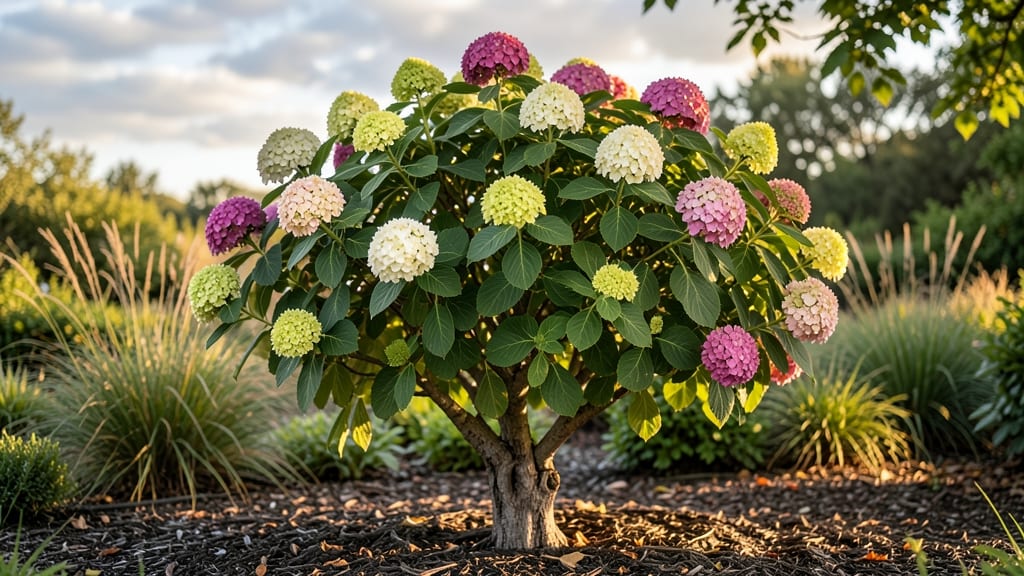
A hydrangea tree can grow how tall does this hydrangea tree grow anywhere from 4 feet to towering 20 feet, depending on the variety and how you care for it.
If you’re dreaming of a lush, shade-providing hydrangea tree but unsure how much space it’ll need, you’re in the right place. These fast-growing beauties can range from compact shrubs to towering giants—depending on the cultivar—and knowing their mature height is key to planning your garden’s layout.
Some varieties, like the ‘Limelight’ or ‘Grandiflora’, shoot up quickly, while dwarf types like ‘Little Lime’ stay under 6 feet. Sunlight, soil, and pruning all play a role in how tall they’ll get, so choosing the right one for your yard is half the battle.
Below, I’ll break down the fastest-growing cultivars, how to manage their height, and which ones fit best in small spaces or as privacy screens. Ready to pick the perfect hydrangea for your garden?


Hydrangea tree height ranges: fastest-growing cultivars explained
If you’re planning to add a hydrangea tree to your landscape, understanding their mature height ranges is essential for spacing and design. These stunning shrubs can grow from compact 4-foot dwarf varieties to towering 20-foot giants, depending on the cultivar.
Fast-growing hydrangeas like Hydrangea paniculata and H. arborescens are popular choices for quick shade and privacy solutions.
For gardeners with limited space, dwarf hydrangeas like ‘Little Lime’ or ‘Endless Summer’ stay under 6 feet tall, making them perfect for small yards or containers. On the other hand, standard varieties like ‘Limelight’ or ‘Grandiflora’ can reach 10-15 feet, providing dramatic focal points.
Let’s break down the fastest-growing options and their ideal spacing for full development.
Key factors like pruning habits, sunlight exposure, and soil quality influence how tall your hydrangea will grow. For example, Hydrangea quercifolia (oakleaf hydrangea) grows 10-15 feet tall in full sun but may stay shorter in partial shade. Meanwhile, H. arborescens ‘Annabelle’ can grow 3-5 feet per year under ideal conditions.
| Cultivar | Mature Height | Growth Rate (per year) | Ideal Spacing |
|---|---|---|---|
| Hydrangea paniculata ‘Limelight’ | 10–15 ft | 3–5 ft | 8–10 ft apart |
| Hydrangea arborescens ‘Annabelle’ | 4–6 ft | 2–3 ft | 4–5 ft apart |
| Hydrangea quercifolia | 10–15 ft | 2–4 ft | 8–10 ft apart |
| Hydrangea paniculata ‘Tardiva’ | 8–12 ft | 3–4 ft | 6–8 ft apart |
| Hydrangea arborescens ‘Incrediball’ | 3–5 ft | 1–2 ft | 3–4 ft apart |
When planting, always account for the mature height and spread of your hydrangea. For example, ‘Limelight’ needs 8–10 feet of space to avoid overcrowding, while ‘Annabelle’ thrives with just 4–5 feet between plants. Overcrowding can stunt growth and reduce flowering, so follow spacing guidelines closely.
If you’re aiming for fastest growth, prioritize well-draining soil, regular watering, and balanced fertilization in spring and summer. Hydrangeas like H. paniculata respond well to pruning in late winter, which encourages bushier growth and can slightly reduce height over time.
Always use clean, sharp pruners to avoid disease.
For shade-loving varieties like H. quercifolia, plant them in areas with morning sun and afternoon shade to prevent leaf scorch. These trees also benefit from mulching to retain moisture and regulate soil temperature.
In containers, dwarf varieties like ‘Little Lime’ grow well but may need annual repotting to accommodate root growth.
One common mistake is assuming all hydrangeas grow at the same rate. While H. arborescens varieties like ‘Annabelle’ can grow 3 feet per year, H. quercifolia grows more slowly, taking 3–5 years to reach maturity.
Plan accordingly if you’re using hydrangeas for quick privacy screens or fast shade solutions.
To control height naturally, prune new growth in early spring before buds swell. This encourages a fuller shape while keeping the plant more compact. Avoid heavy pruning in fall, as this can stimulate tender new growth that may not survive winter.
Always prune after flowering for H. arborescens and H. quercifolia to preserve next year’s blooms.
For gardeners in USDA Zones 5–9, most hydrangea trees thrive with minimal winter care. However, young plants may need mulch protection in colder zones to prevent root damage. In warmer climates, provide afternoon shade to prevent
How to choose the right hydrangea tree for your space
Choosing the perfect hydrangea tree for your garden starts with understanding your space constraints and light conditions. These trees thrive in partial shade but can vary wildly in height—from 4-foot dwarf varieties to towering 20-foot giants.
My top tip? Measure your garden before selecting a cultivar to avoid overcrowding or wasted space.
For small yards or containers, dwarf hydrangeas like Hydrangea arborescens ‘Annabelle’ (4–6 ft) are ideal. They bloom prolifically with minimal pruning and fit neatly under windows or along fences.
If you’re working with medium spaces (10–15 ft), semi-dwarf varieties like Hydrangea paniculata ‘Limelight’ (8–12 ft) strike a balance between privacy screening and manageable height.
Dwarf Hydrangeas (4–6 ft)
- Pros: Fits containers, low maintenance, blooms early
- Cons: Limited shade, shorter lifespan
Standard Hydrangeas (12–20 ft)
- Pros: Year-round interest, full shade, privacy
- Cons: Needs space, pruning required, slower growth
If your goal is privacy or shade, standard varieties like Hydrangea quercifolia (10–20 ft) are unbeatable. Their oak-like leaves provide year-round interest, and their height makes them perfect for backyard borders or large patio screens. Just be prepared for regular pruning—these trees grow aggressively if left unchecked.
Sunlight needs play a crucial role too. Most hydrangea trees prefer morning sun and afternoon shade, but panicle hydrangeas (H. paniculata) tolerate full sun better. For example, ‘Grandiflora’ thrives in 6+ hours of sun and reaches 10–15 feet—ideal for sunny southeast-facing gardens.
Don’t overlook maintenance preferences. Dwarf varieties need minimal pruning, while standard trees benefit from annual pruning to shape them and remove dead wood. I recommend sterilized shears and pruning in early spring before new growth appears to avoid disease.
For urban gardens with limited space, consider columnar hydrangeas like Hydrangea petiolaris, which clings to walls or trellises and grows 10–15 feet tall but only 3–4 feet wide. This variety is perfect for vertical gardening and adds drama without sprawling.
Before planting, sketch your garden layout and mark where each hydrangea will go. Account for mature height, spread, and overlap with other plants. With the right choice, your hydrangea tree will become a stunning focal point for years to come. 🌿