
How To
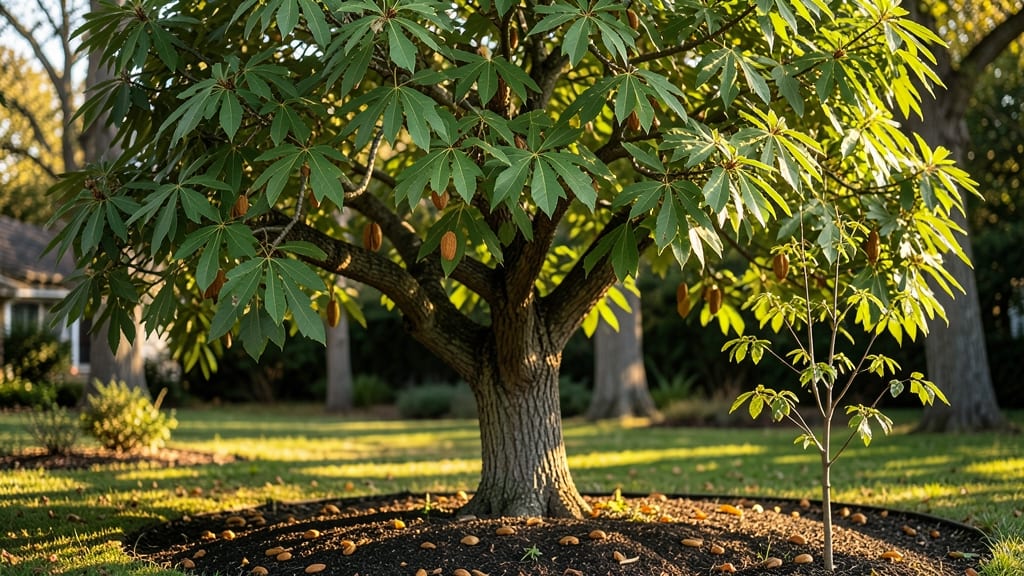
A pecan tree grows how tall does a pecan tree grow to 60–100 feet at maturity 🌳—taller than a six-story building—and its root spread can stretch twice as wide as its height, making space planning critical before you plant.
If you're dreaming of a backyard pecan tree but worried about space, you're not alone—many gardeners underestimate how massive these trees can become. Before planting, knowing the exact height and spread of your chosen pecan variety could save you from costly landscaping regrets.
Not all pecan trees reach skyscraper heights, though. Dwarf varieties like 'Western Schley' top out around 20–30 feet, while standard types like 'Desirable' or 'Pawnee' demand serious real estate. The right choice depends on your yard size, local climate, and whether you prioritize nuts or shade.
In this guide, I’ll break down the height ranges by variety, spacing rules to avoid root conflicts, and 5 early warning signs your tree needs more space—so you can plant with confidence and enjoy those homegrown pecans for decades.


Pecan tree height by variety: tallest and shortest options compared
Choosing the right pecan tree variety can make all the difference in your backyard layout. Standard pecan trees like 'Pawnee' and 'Desirable' can tower over 100 feet at maturity, while dwarf varieties like 'Schley' stay under 30 feet.
Understanding these differences helps you plan for shade, property lines, and long-term maintenance before planting.
Most home gardeners assume pecan trees are all giants, but the truth is far more flexible. Dwarf and semi-dwarf varieties exist specifically for smaller properties, offering the same delicious nuts without the 6-story height of their standard counterparts.
Let’s break down the height ranges to help you pick the perfect fit for your space.
If you’re working with limited space, dwarf varieties like 'Schley' are game-changers. These trees mature at just 20–30 feet, making them ideal for backyards, urban gardens, or even large containers.
They still produce high-quality nuts but require far less room to thrive. For example, 'Western Scholar' reaches 30–40 feet, striking a balance between manageable size and productivity.
On the opposite end, standard varieties like 'Pawnee' and 'Desirable' dominate landscapes with heights up to 100 feet. These are perfect for rural properties or orchards where space isn’t a constraint. Just remember: their 40–60 foot spread means you’ll need to plan for root zones and potential shade overdrive.
Growth rate also varies—'Desirable' and 'Moore' grow quickly, while 'Schley' takes its time. This matters if you’re impatient for shade or nuts! For instance, a 'Desirable' tree can reach 20 feet in just 10 years, whereas a 'Schley' might take twice as long to hit half that height.
Before planting, measure your space and check property lines. A 100-foot tree planted too close to a driveway or fence will need annual pruning to avoid conflicts. Meanwhile, a 20-foot dwarf could sit comfortably near patios or decks without crowding.
Always factor in root spread, which can extend 2–3 times the canopy width.
For urban gardeners, 'Cape Fear' is a smart middle-ground choice. At 40–50 feet, it fits well in suburban yards while still yielding abundant crops. Pair it with proper pruning to keep it in check, and you’ll enjoy both shade and pecans without sacrificing your lawn.
Pro tip: If you love the idea of pecans but lack space, consider grafting dwarf scions onto standard rootstock. This hybrid approach lets you control the tree’s size while keeping its productivity. Many nurseries offer pre-grafted options, making it easier than ever to grow pecans in tight spaces.
🌳
Root spread and space requirements: how wide a pecan tree needs
A pecan tree's root spread is just as critical as its height when planning your landscape. While mature trees can reach 60–100 feet tall, their roots often spread 2–3 times wider than the canopy.
This means a 40-foot spread is common for standard varieties, requiring careful planning to avoid conflicts with sidewalks, driveways, or neighboring plants.
Rootstock type plays a huge role in spread—Cheyenne rootstock, for example, produces trees with aggressive lateral roots, while Gordon rootstock tends to be slightly more contained. Dwarf varieties like 'Seminole' may only spread 15–20 feet, but even these need room for long-term health and nut production.
To prevent root conflicts, plant pecan trees at least 30 feet from sidewalks, driveways, or foundations. Roots can lift concrete or crack pipes if planted too close. For urban or small yards, consider container-growing dwarf varieties, though they’ll still need 10–15 feet of space for proper root development.
Mulching around the base with wood chips or pine straw helps contain roots and improves soil health. Avoid compacting soil near the trunk, as this restricts root expansion. If you notice cracked pavement or stunted growth, your tree may need more space or root pruning to redirect growth.
Long-term maintenance includes regular pruning to manage canopy size and soil aeration to prevent root suffocation. Even with careful planning, pecan trees will eventually outgrow their space—so always factor in their lifespan of 100+ years when choosing a planting location.
If you're unsure about spacing, consult a local arborist or extension service—they can assess your soil and climate to refine recommendations. Proper spacing now saves headaches (and costly repairs) later! 🌳