
How To
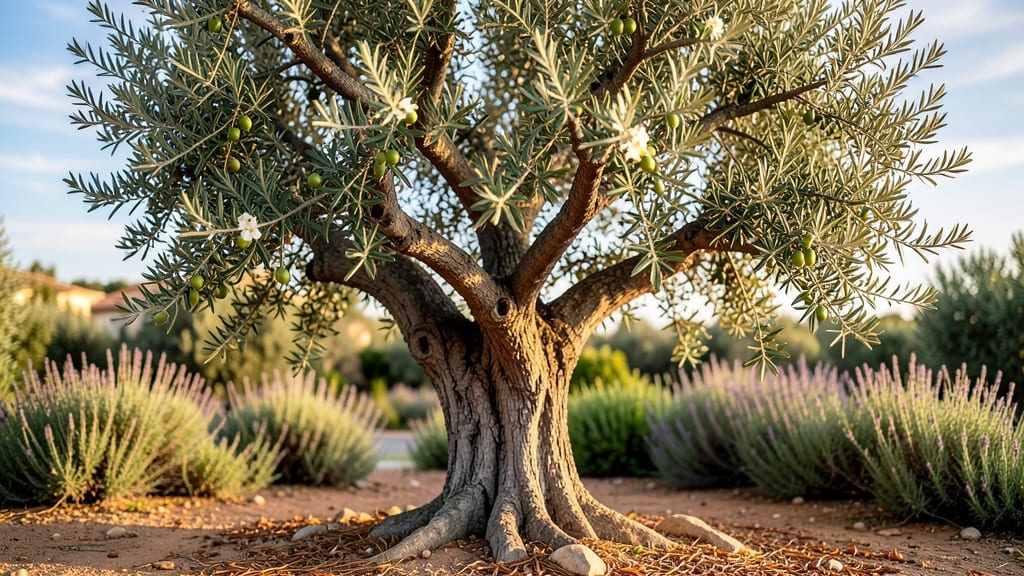
An olive tree 🫒 can grow anywhere from 3 feet tall to over 50 feet, depending on the variety you choose—and that choice is the single most important factor for home gardeners.
If you're dreaming of growing your own olive tree but wondering whether it’ll fit in your backyard—or require an entire orchard—you’re not alone.
The difference between a patio-sized olive tree and a towering giant often comes down to one thing: whether you pick a dwarf variety or let a standard tree reach its full height.
Standard olive trees can soar to 30–50 feet in ideal conditions, while dwarf varieties stay compact at 8–12 feet, making them perfect for containers or small yards.
But even with the right variety, factors like pruning, soil, and climate play a big role in how tall your olive tree ultimately grows.
In this guide, I’ll break down the height ranges for different olive tree types, share tips for controlling growth, and help you pick the perfect size for your space—whether you want a tabletop tree or a backyard staple.


Olive tree height guide: dwarf vs standard vs wild varieties explained
Choosing an olive tree often comes down to one critical question: how tall will it grow? The answer varies dramatically between dwarf varieties (perfect for containers) and wild olive trees that can reach 50+ feet in ideal conditions.
Understanding these differences helps you select the right tree for your space while avoiding costly mistakes—like planting a towering variety in a tiny urban yard.
Olive trees grow at different rates based on their genetic variety, climate conditions, and pruning habits. A standard olive tree typically matures between 15–25 feet over 5–10 years, while dwarf varieties stay between 3–10 feet even at maturity.
Wild olives, left unpruned, can dwarf even the tallest backyard trees—literally and figuratively.
Here’s the key difference: Dwarf olive trees are bred for compact growth, while standard and wild varieties grow tall naturally. Your choice depends on whether you want a patio centerpiece, a yard accent, or a full-sized orchard tree. Let’s break down the specifics so you can pick the perfect fit for your garden.
Dwarf olive trees are the perfect solution for urban gardeners or those with limited space. Varieties like Arbequina or Little Ollie stay under 10 feet tall and thrive in large containers.
These trees grow slowly—about 6–12 inches per year—so they reach maturity in just 3–5 years, making them ideal for instant gratification.
Standard olive trees, like Frantoio or Manzanillo, are the classic choice for medium to large yards. They grow 24–36 inches per year and can reach 15–25 feet at maturity.
If you’re planting one now, expect it to take 7–10 years to fully mature—plenty of time to enjoy its silver-green foliage and abundant olives.
Wild olive trees, often found in Mediterranean climates, can grow uncontrolled if left to their own devices. In ideal conditions, they can reach 50+ feet tall, making them more suited for orchards or natural landscapes rather than backyards.
Their rapid growth rate—36+ inches per year—means they’ll quickly outgrow even the largest spaces.
Your local climate plays a huge role in how tall an olive tree grows. In USDA Zones 8–10, olive trees thrive with minimal stress, reaching their full genetic potential. But in cooler zones (6–7), growth slows significantly, often resulting in shorter, bushier trees.
If you’re in a cooler climate, consider dwarf varieties or use protective measures like windbreaks to encourage healthier growth.
Pruning is another game-changer for controlling olive tree height. Regular structural pruning in late winter can keep even standard varieties 10–15 feet tall. For dwarf trees, light pruning every 1–2 years maintains their compact shape.
Just remember: never prune more than 25% of the canopy in a single session to avoid stressing the tree.
If you’re still unsure which size is right for you, start with a dwarf variety in a container. You can always transplant it to the ground later if it outgrows its pot—giving you a risk-free way to test the waters before committing to a larger tree.
How to choose the right olive tree size for your space
Choosing the right olive tree size depends entirely on your available space and long-term vision. A dwarf variety might fit perfectly on your patio, while a standard olive tree could dominate your backyard.
The key is understanding how each size category grows—and how to manage it—before planting. Let’s break down your options so you can make an informed choice that suits your landscape and lifestyle.
Your space determines which olive tree variety you should select. A container-grown dwarf olive tree (3–10 feet tall) thrives in pots or small urban gardens, while semi-dwarf varieties (15–25 feet) work well in suburban yards.
For rural properties or orchards, standard or wild olive trees (30–50+ feet) can create stunning focal points. The right choice ensures your tree remains manageable and healthy for years to come.
- Dwarf Olive Trees (3–10 ft): Ideal for containers, patios, or small balconies. Perfect for urban gardeners or those with limited outdoor space.
- Semi-Dwarf Olive Trees (15–25 ft): Best for small yards or medium-sized gardens. Offers a balance between manageable size and mature beauty.
- Standard Olive Trees (20–40 ft): Suited for large backyards or rural properties. Requires regular pruning to control height.
- Wild Olive Trees (30–50+ ft): Native or untamed varieties that thrive in wild landscapes or large estates. Minimal pruning needed but demands ample space.
Once you’ve selected your olive tree variety, pruning plays a critical role in maintaining its size. For dwarf and semi-dwarf trees, prune lightly in late winter to encourage bushier growth and prevent legginess. Use sharp, clean pruners to make cuts just above a leaf node.
For standard varieties, structural pruning in early spring helps shape the tree and remove dead or crossing branches, keeping it within your desired height limits.
If you’re growing your olive tree in a container, size control becomes even more important. Dwarf varieties are your best bet, but even they may need occasional pruning to stay compact.
Ensure your pot has adequate drainage and use a high-quality potting mix with perlite or sand to prevent root rot. Repot every 2–3 years to accommodate growth and refresh the soil, which helps maintain overall tree health and manageable dimensions.
Don’t overlook the importance of soil and sunlight when planning for your olive tree’s size. Olive trees thrive in well-draining soil and full sun (6+ hours daily), both of which influence growth rates.
If your space is shaded or has poor drainage, your tree may grow more slowly or become prone to disease, affecting its final size. Amend heavy or clay soils with compost or sand to create an ideal growing environment.
Remember, even standard olive trees can be pruned to stay within bounds if you’re patient and consistent. Start with a young tree and establish good pruning habits early.
With the right variety, proper care, and regular maintenance, your olive tree will not only fit your space but also become a stunning, productive centerpiece for years to come. 🌿