
How To
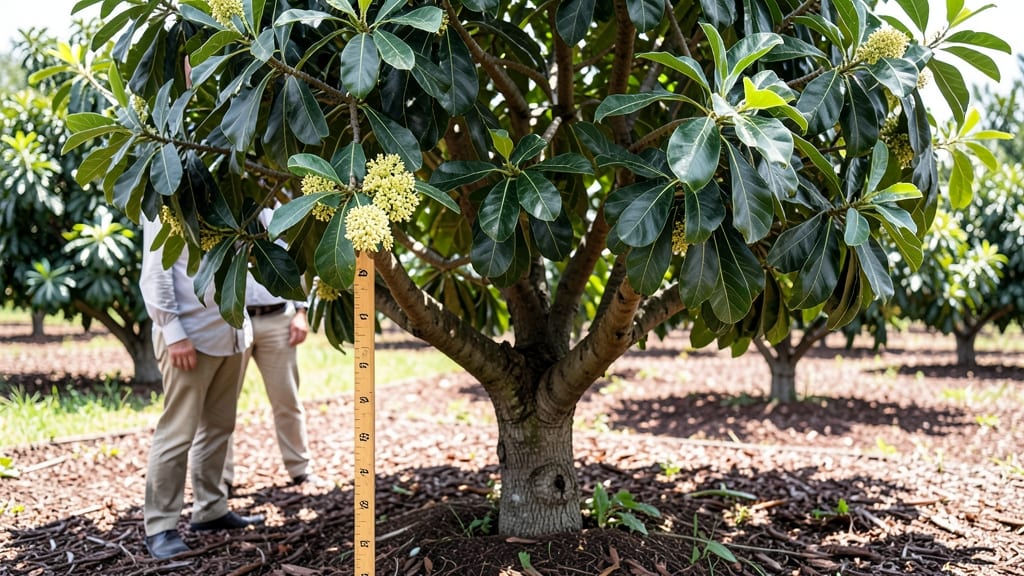
How tall does an avocado tree grow? The answer varies dramatically—from a compact 10 feet for dwarf varieties to a towering 80 feet for standard types—making it one of the most dramatic plants in your garden.
Wondering if your backyard can accommodate an avocado tree? These tropical giants don’t just produce delicious fruit—they also grow into stunning architectural features, but their height varies dramatically by variety. Before planting, knowing the mature size of your chosen avocado tree could save you years of pruning frustration.
Dwarf varieties like 'Wurtz' stay manageable at 10-15 feet, perfect for containers or small spaces, while standard types like Hass or Fuerte can reach 30-50 feet in ideal conditions. Even semi-dwarf trees hit 15-25 feet, so your yard’s layout and sunlight exposure will dictate which type fits best.
Below, I’ll break down how to control growth with pruning, compare indoor vs. outdoor heights, and share the one trick that keeps even large trees from becoming unruly. Ready to plan your perfect avocado?


Avocado tree height by popular variety: from dwarf to giant
If you're dreaming of a backyard avocado tree, the first question should be: how tall will it grow? The answer depends entirely on the variety you choose. Some avocado trees stay compact enough for containers, while others reach towering heights that rival palm trees.
I’ve grown both dwarf and standard varieties, and the difference in mature size is staggering—some need a full acre, while others thrive in 5-gallon pots.
For home gardeners, the Hass avocado is the most popular variety, but its mature height of 20-30 feet makes it unsuitable for small yards. That’s why I always recommend checking the variety’s growth potential before planting.
Whether you’re in Zone 9b or a container in Zone 6, knowing these height ranges will help you plan your garden layout and avoid future pruning regrets.
🌱 Here’s the breakdown: Most avocado trees fall into three height categories—dwarf (under 15 ft), semi-dwarf (15-25 ft), or standard (30-80 ft). The dwarf varieties are often grafted onto smaller rootstock, while standard types grow wild and unchecked unless pruned aggressively. Below, I’ve listed the most common varieties and their mature heights, along with growth rate insights to help you predict how quickly they’ll reach their full potential.
| Variety | Mature Height (ft) | Growth Rate (yrs to mature) | Best For |
|---|---|---|---|
| Hass | 20-30 ft | 10-15 years | Large yards, commercial orchards |
| Fuerte | 25-40 ft | 12-18 years | Urban landscapes, warm climates |
| Bacon | 30-50 ft | 15-20 years | Rural properties, full sun |
| Reed | 40-60 ft | 20+ years | Large estates, tropical regions |
| Wurtz (Dwarf) | 8-12 ft | 5-8 years | Containers, patios, small yards |
| Gwen | 15-20 ft | 8-12 years | Semi-dwarf option for home gardens |
| Lamb Hass (Dwarf Graft) | 10-15 ft | 6-10 years | Containers, urban gardening |
| Choquette | 25-35 ft | 12-15 years | Subtropical climates, medium yards |
| Zutano | 30-50 ft | 15-20 years | Large properties, warm zones |
| Mexicola | 40-70 ft | 20+ years | Tropical regions, minimal pruning |
The Hass avocado is the gold standard for home growers, but its 20-30 foot height means it’s not ideal for small spaces. If you’re limited to a patio or balcony, look for dwarf grafted varieties like Wurtz or Lamb Hass, which stay under 15 feet even in containers.
I’ve successfully grown Lamb Hass in a 15-gallon pot for years, and it produces fruit just like its taller cousins—though the harvest is smaller.
For those with large properties, varieties like Reed or Mexicola can reach 60-80 feet, making them more like small trees than shrubs. These giants require ample space and regular pruning to manage their spread.
If you’re in Zone 9b or warmer, these varieties thrive with minimal care, but they’re not for the faint of heart—literally! Their towering canopies can block sunlight for other plants.
Growth rates also vary wildly. Dwarf varieties like Wurtz
How to control avocado tree height: pruning techniques and growth hacks
If your avocado tree is reaching for the sky faster than you planned, don’t panic—height control is entirely manageable with the right techniques. Avocados grow aggressively, especially in warm climates, but strategic pruning and growth hacks can keep them at your desired height.
The key is balancing structural pruning with natural growth patterns to avoid stunting fruit production or stressing the tree.
For most standard varieties, mature heights range from 30 to 80 feet, but dwarf grafted trees can stay under 15 feet with proper care.
Whether you’re growing in a container or in-ground, understanding when and how to prune will determine whether your tree becomes a towering shade provider or a manageable backyard feature. Let’s explore the best methods to keep your avocado tree at the perfect height.
Aggressive pruning can stress your tree, reduce fruit production, and even kill it if done incorrectly. Avocado trees produce hormones in their leaves that fuel growth—removing too many leaves at once can stunt growth or trigger dieback.
Never remove more than 25% of the canopy in a single session, and avoid cutting into old wood, which may not regrow.
Start with structural pruning in the tree’s first 2-3 years to establish a strong framework. Focus on removing suckers (shoots growing from the base) and weak branches that compete with the main trunk. Use clean cuts just above a leaf node or bud to encourage healthy regrowth.
This method not only controls height but also improves air circulation, reducing the risk of fungal diseases like root rot.
For faster height control, try topping, where you cut the main stem just above a strong lateral branch. This encourages the tree to bush out instead of growing tall, but it requires regular maintenance to keep the shape in check.
Topping is best done in late winter or early spring, just before new growth begins. Pair this with root restriction—growing in a container or using root barriers—if you’re aiming for a dwarf-sized tree.
Timing is everything when pruning for fruit production vs. size control. If your goal is bigger avocados, prune lightly in late winter to allow energy to focus on fruit development. For height reduction, prune in summer after the tree has finished flowering.
Avoid heavy pruning in fall or winter, as this can leave the tree vulnerable to cold damage and pests.
Don’t forget about natural growth hacks like container size and light exposure. Smaller pots slow root growth, which in turn limits the tree’s height. Place your container in full sun (6+ hours daily) to encourage compact growth, but avoid overcrowding, which can lead to root-bound stress.
With patience and the right techniques, you can enjoy a manageable-height avocado tree that still produces plenty of fruit!