
How To
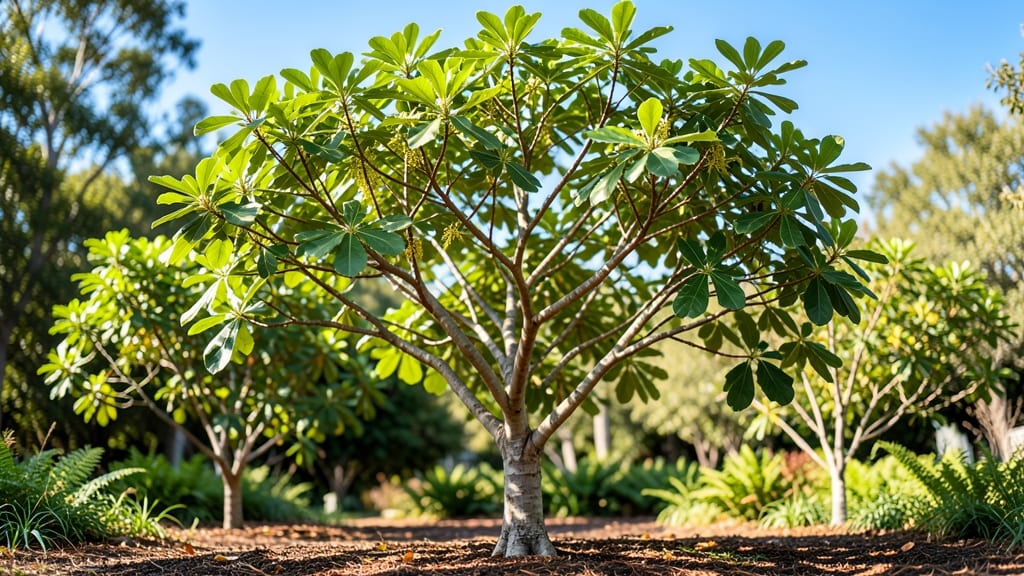
A Sassafras tree 🌳 can grow anywhere from 20 to 40 feet tall, depending on where you plant it and how you care for it.
Picture this: a towering shade provider in your backyard, its three-lobed leaves rustling in the breeze, or a compact shrub lining your property’s edge. The difference? Soil, sunlight, and a little patience.
In the right conditions, this native North American tree reaches its full height within 20 to 30 years, but in urban settings or poor soil, it might stay smaller.
If you’re wondering whether to prune it or let it grow wild, the answer depends on your space and goals. A mature Sassafras tree 🌳 in a forest can dwarf a two-story house, while one in a city lot might top out at 15 feet if managed carefully.
Below, I’ll break down the factors that shape its height—and how to encourage the size you want.
From seedling stages to full maturity, this guide covers everything you need to know about growing a Sassafras tree 🌳 that thrives in your climate. Whether you’re after shade, wildlife habitat, or just a striking landscape feature, understanding its growth habits is the first step to success.


Sassafras tree height by region: from coastal plains to mountain slopes
The sassafras tree (Sassafras albidum) is one of nature's most adaptable species, but its mature height can vary wildly depending on where you plant it.
In the humid Southeast, these trees often reach their full potential, while in the drier Midwest or cooler Northeast, growth may be more restrained.
Climate, soil quality, and moisture availability all play critical roles in determining whether your sassafras becomes a 20-foot shrub or a 70-foot forest giant.
Understanding regional differences helps you set realistic expectations. For example, a sassafras in North Carolina's coastal plains might tower over one growing in Pennsylvania's Appalachian slopes. Even within the same region, urban planting (with restricted root space) can stunt growth compared to wild forest conditions.
Let's break down the height ranges you can expect across key U.S. regions and the factors influencing them.
| Region | Climate Type | Mature Height Range | Key Growth Factors |
|---|---|---|---|
| Southeast (NC, SC, GA, FL) | Humid subtropical | 40-70 ft | Rich, moist soil; high rainfall; minimal winter stress |
| Midwest (OH, IN, IL, MO) | Humid continental | 30-50 ft | Moderate rainfall; colder winters slow early growth |
| Northeast (PA, NY, VT, ME) | Humid continental/marine | 20-40 ft | Shorter growing season; rocky soils limit root depth |
| Appalachian Mountains | Highland temperate | 15-30 ft | Cooler temps; thin, acidic soils; high elevation |
| Sassafras randaiense (Japanese) | Humid subtropical | 15-25 ft | Slower growth; prefers drier conditions than native species |
The Southeast is where sassafras trees truly shine, often reaching 60-70 feet in ideal conditions. The combination of warm temperatures, high humidity, and rich, moist soils creates perfect growing conditions.
In places like North Carolina's Piedmont region, mature sassafras can form part of the forest canopy, competing with oaks and hickories. These trees also develop thicker trunks and more extensive root systems in the Southeast, supporting their impressive height.
In the Midwest, sassafras growth is more moderate, typically 30-50 feet at maturity. The colder winters and shorter growing seasons slow early development, but once established, these trees adapt well to clay-heavy soils common in states like Ohio and Indiana.
Urban plantings in cities like Chicago may only reach 20-30 feet due to restricted root space and competition from sidewalks or buildings.
Northern regions like the Northeast present unique challenges for sassafras growth. Trees here rarely exceed 40 feet, often staying between 20-35 feet. The shorter frost-free period limits early spring growth, while rocky, acidic soils in states like Maine or Vermont can stunt root development.
However, sassafras remains remarkably hardy, often outlasting less resilient species in these conditions.
At higher elevations, such as the Appalachian Mountains, sassafras growth becomes even more constrained. The thinner air, cooler temperatures, and poor soil quality typically result in trees that max out around 15-30 feet.
These mountain-grown sassafras often develop a multi-trunk form as a survival adaptation, creating a bushier appearance. Their leaves also tend to be smaller and darker compared to their lowland counterparts.
If you're comparing native sassafras (Sassafras albidum) with its Japanese cousin, Sassafras randaiense, the differences become clear. While native sassafras can reach 70 feet in ideal conditions, Japanese sassafras typically stays between 15-25 feet.
This species prefers drier, well-drained soils and grows more slowly, making it better suited for urban landscapes or smaller gardens where height control is desirable.
Soil quality plays a critical role in determining sassafras height. Trees planted in well-draining, slightly acidic soil
Growth stages of a sassafras tree: height milestones from seedling to maturity
Watching a sassafras tree grow is like observing nature's slow-motion masterpiece. In its first few years, it starts as a delicate seedling with three-lobed leaves that unfold like tiny maps. By year 5, it transforms into a sapling with a sturdy trunk and branches reaching skyward.
Understanding these stages helps you anticipate how much space your tree will need—and whether it'll become a shade-providing giant or a compact backyard feature.
Most sassafras trees reach their mature height between 20 and 40 feet, but their growth rate varies wildly. In ideal conditions—like well-draining soil and full sun exposure—they can shoot up 3-5 feet per year during their rapid growth phase.
Poor soil or shade, however, can stunt them to just 10-15 feet, turning them into shrub-like specimens. Let’s break down the year-by-year journey from seed to skyward sentinel.
One of the most fascinating aspects of sassafras growth is how competition shapes its future. In dense forests, these trees often grow tall and slender to reach sunlight, while in open fields, they develop wider canopies with multiple trunks.
If you’re planting one in your yard, give it plenty of space—at least 20 feet from structures—to avoid future pruning headaches.
Sunlight exposure is another critical factor. While sassafras can tolerate partial shade, it thrives in full sun, which accelerates its height growth. In shady conditions, expect a stunted tree that may never exceed 15 feet.
If your yard has limited sunlight, consider planting it near the eastern edge of your property to capture morning rays.
Pruning plays a subtle but powerful role in height control. Early pruning to remove competing leaders encourages a single, strong trunk, while crown thinning later in life can reduce height by up to 20%.
However, avoid heavy pruning in late summer, as this can stimulate weak late-season growth that may not harden off before winter.
By year 20, your sassafras tree will either be a majestic forest giant or a compact ornamental feature, depending on your care.
With the right balance of sunlight, soil health, and pruning, you can steer its growth toward your vision—whether that’s a towering shade provider or a quirky, multi-stemmed backyard centerpiece. 🌳