
Trees
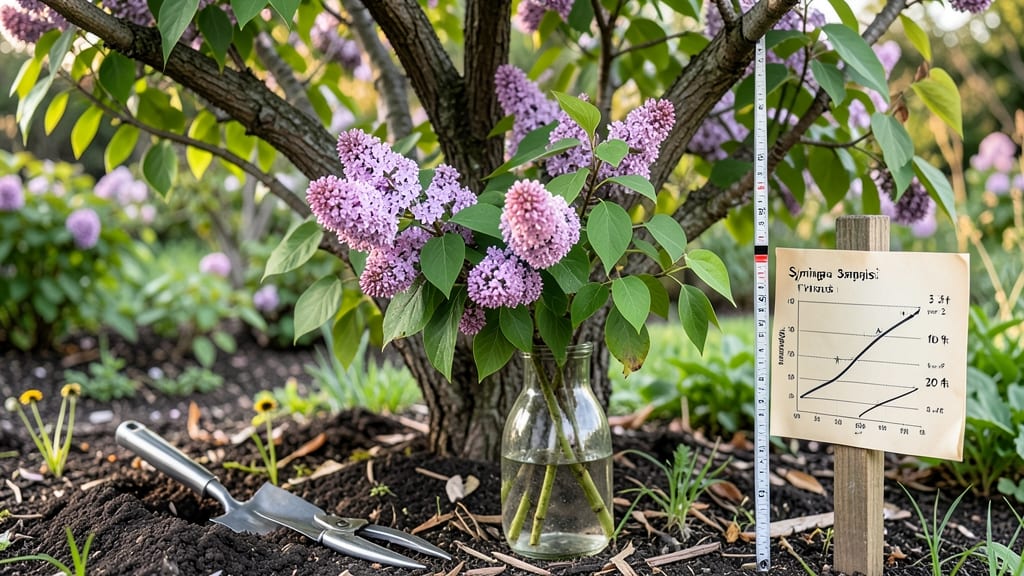
Understanding the lilac tree growth rate helps you plan for that fragrant, shade-filled future — because these 🌸 beauties don’t all grow at the same speed.
Imagine planting a lilac in spring, only to find it’s still a shrubby understudy by summer. Some varieties shoot up 2 feet in a single season, while others take years to reach their full height. The difference? Variety, climate, and a few simple care tweaks.
In this guide, we’ll break down how fast your lilac will grow by type, how to speed up growth in slower zones, and the 5 pro tips that make all the difference between a slow starter and a skyrocketing shade tree.
Whether you’re in Zone 6a or a warmer region, you’ll know exactly what to expect — and how to get there faster.


Lilac tree growth rates by variety: fastest-growing types for height
Choosing a lilac variety isn’t just about fragrance—it’s about speed. Some lilacs grow 2 feet per year, while others barely budge. If you want quick shade and blooms, fast-growing varieties like 'Katherine Havemeyer' are your best bet.
These powerhouses can reach 6 feet in just 3 years, making them ideal for small yards or container gardens.
Not all lilacs are created equal—some varieties prioritize width over height, while others shoot straight up like skyrockets. The fastest-growing lilacs typically belong to the Syringa vulgaris species, known for their vigorous growth habits.
Below, we’ve compared the top performers so you can pick the perfect variety for your space and timeline.
If you’re in a hurry for height and fragrance, 'Katherine Havemeyer' is the undisputed champion. This variety can add 2 feet per year under ideal conditions, reaching its 12-15 foot mature height in just 6-8 years.
Its deep purple blooms and intoxicating scent make it a showstopper, but it needs space—plant it 10 feet from structures to avoid shading your home.
The 'Mme. Lemoine' variety is another top performer, though slightly slower at 1.5-2 feet per year. What it lacks in speed, it makes up for in early blooming—you’ll see flowers as early as year 4, even in cooler climates.
This makes it perfect for gardeners who want quick color without waiting decades.
For small spaces or containers, the 'Dwarf Korean Lilac' is a game-changer. While it grows only 0.5-1 foot per year, it tops out at a manageable 4-6 feet, making it ideal for patios or urban gardens.
Its compact size doesn’t mean sacrificing blooms—it’s just as fragrant as its taller cousins!
One variety that’s gaining popularity for its reblooming habit is 'Bloomerang'. This hybrid grows 1.5-2 feet annually and produces two flower cycles per year—once in spring and again in summer.
If you love extended blooms, this is the variety for you, though it won’t reach the same towering heights as 'Katherine Havemeyer'.
All lilacs benefit from full sun and well-draining soil, but fast-growing varieties like 'Katherine Havemeyer' thrive with additional nutrients. Feed them in early spring with a balanced 10-10-10 fertilizer to encourage rapid growth.
Avoid over-fertilizing, though—too much nitrogen can lead to leafy growth at the expense of flowers.
Pruning plays a crucial role in maintaining height and shape. For fast-growing lilacs, prune right after blooming to remove dead or crossing branches. This keeps your lilac healthy and upright while encouraging new growth.
Just avoid heavy pruning in fall or winter, as this can stunt next year’s blooms.
If you’re planting in USDA zones 5-8, most fast-growing lilacs will thrive. However, southern climates may require afternoon shade to prevent leaf scorch, while northern gardens benefit from mulching to protect roots in winter.
With the right care, your lilac could be a fragrant, shade-providing giant in just a few years!
Ready to pick your perfect lilac? Start with 'Katherine Havemeyer' for speed, 'Dwarf Korean Lilac' for small spaces, or 'Bloomerang' for year-round color. No matter which
How climate and location affect lilac tree growth speed
Your lilac tree’s growth rate isn’t just about the variety you choose—it’s heavily influenced by where you plant it. USDA hardiness zones determine which lilacs thrive in your area, while sunlight exposure, soil type, and watering habits can make or break rapid growth.
For example, a Pacific Northwest garden might see slower growth due to cooler summers, while Midwest regions often enjoy faster height gains with hotter summers. Let’s break down how these factors interact to shape your lilac’s timeline.
Lilacs are hardy plants, but they’re not one-size-fits-all. Zone 4-5 gardeners (like those in Minnesota or upstate New York) should focus on cold-resistant varieties like 'Purple Robe', while Zone 6-7 climates (common in the Southeast or Midwest) can support faster-growing types such as 'Katherine Havemeyer'.
Even within the same zone, microclimates—like a sunny south-facing yard versus a shady north side—can shift growth rates by 30-50% in a single season.
🌱
| Factor | Impact on Growth Rate | Optimal Conditions |
|---|---|---|
| USDA Zone | Zones 6-7: 2-3 ft/year Zones 4-5: 1-2 ft/year |
Zone 6-7 for fastest growth Zone 4-5 for cold-hardy varieties |
| Sunlight | Full sun: 50% faster than partial shade | 6+ hours direct sun daily |
| Soil Type | Well-draining: 2x growth vs. clay | Loamy, slightly acidic (pH 6.0-7.0) |
| Watering | Deep weekly soaks: 30% faster than shallow watering | 1-2 inches per week (deep roots) |
| Regional Example | Pacific NW: Slower due to cooler summers Midwest: Faster with hot summers |
Choose variety for your climate |
Sunlight is the single biggest growth accelerator for lilacs. A full-sun location (6+ hours daily) can push growth rates 50% faster than partial shade, where stems stretch weakly and blooms shrink.
In the Pacific Northwest, where summers are cooler, lilacs may only gain 1-2 feet per year unless you supplement with a south-facing wall for extra warmth. Meanwhile, in the Midwest, lilacs often surge 2-3 feet annually during hot summers, making them ideal for quick shade solutions.
Soil type plays a sneaky role too. Lilacs despise soggy roots, so well-draining loam is ideal—amend heavy clay with compost to boost growth by 200% in the first year. In sandy soils, mulch heavily to retain moisture, while clay-heavy regions benefit from raised beds.
I’ve seen lilacs in amended clay soil outpace those in native soil by 1 foot per season—proof that a little prep goes a long way.
Watering habits often make or break lilac growth. Deep, weekly soaks encourage deep root development, while shallow watering leads to weak stems and sparse blooms. In drought-prone areas like the Southwest, drip irrigation can maintain growth rates by delivering water directly to roots.
Conversely, overwatering in humid climates (like the Southeast) can rot roots and stunt growth—always let the top 2 inches of soil dry between waterings.
💧
To maximize growth in slower regions, pair the right variety with smart care. In Zone 4-5, opt for 'Purple Robe' or 'Miss Canada', which tolerate cold better and still grow 1-2 feet per year. In Zone 6-7, 'Katherine Havemeyer' or 'Mme.
Lemoine' can hit 3 feet annually with proper sunlight and soil. And no matter where you live, prune in late summer to remove dead wood—this redirects energy to new growth, adding 6-12 inches to your lilac’s height the following season.