
How To
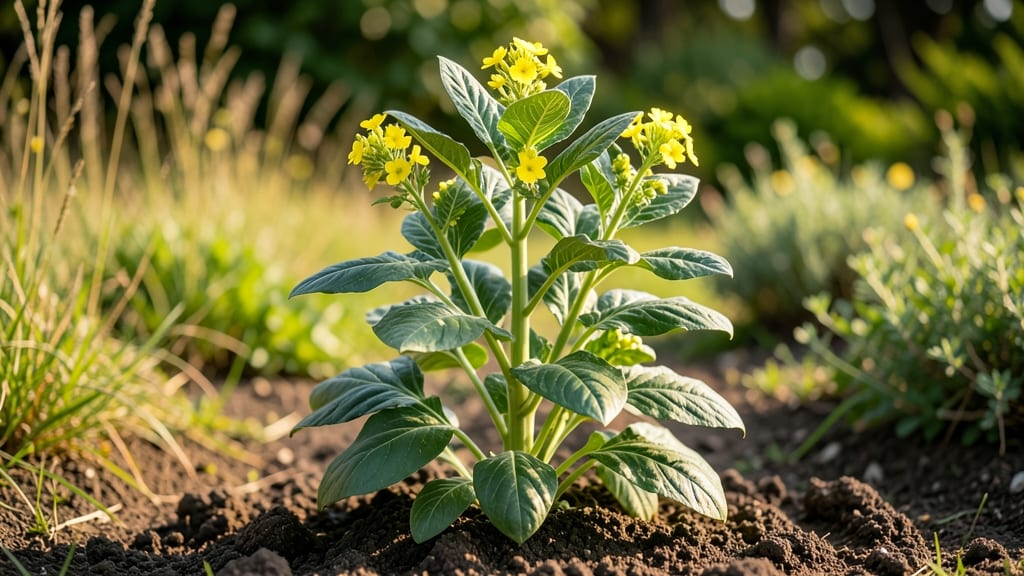
A mustard tree can grow anywhere from 15 to 30 feet tall 🌳, depending on its variety and growing conditions—making it a dramatic focal point for any garden or landscape.
If you're dreaming of a towering mustard tree (Brassica juncea) as a bold statement plant or a fragrant addition to your garden, knowing its potential height is key—because some varieties stretch skyward while others stay compact, all depending on their type and growing conditions.
This ornamental tree thrives in full sun and well-draining soil, with its height influenced by factors like climate, pruning habits, and even the container size if grown in pots. In cooler zones like 6a, it may grow more slowly, while warmer regions can see faster vertical expansion.
Below, I’ll break down the exact height ranges by variety, how to encourage (or control) its growth, and the best conditions to help your mustard tree reach its full potential—whether you want a towering giant or a more manageable size.


Mustard tree height by variety: from dwarf to giant growth charts
If you're considering a mustard tree (Brassica juncea) for your garden, its mature height can vary dramatically depending on the variety. Some stay compact at just a few feet, while others grow tall enough to rival a two-story house.
Understanding these differences helps you choose the perfect fit for your space and design goals.
The mustard tree is often grown for its striking foliage, with varieties like 'Golden Leaf' and 'Variegata' offering vibrant colors. However, their growth habits differ significantly. For example, standard varieties can reach 15-30 feet at maturity, while dwarf or compact types—though rare—might stay under 6 feet.
Below is a detailed comparison of the most popular mustard tree varieties, including their mature heights, growth rates, and ideal growing conditions. This will help you visualize how each type can fit into your garden layout.
As you can see, the mustard tree's height is highly dependent on the variety you choose. For instance, 'Pusa Swarna' is the tallest, reaching 20-30 feet, making it ideal for large properties or as a natural shade provider.
In contrast, 'Pusa Jai Kisan' stays shorter at 8-12 feet, perfect for smaller gardens or container growing with regular pruning.
If you're planning to grow a mustard tree in containers, opt for dwarf varieties or prune taller types aggressively. Containers restrict root growth, which naturally limits height.
For example, a 'Golden Leaf' in a 15-gallon pot might only reach 6-8 feet after 3 years, compared to 15-20 feet in the ground.
Another key factor influencing height is pruning frequency. Regular pruning can keep even the tallest varieties like 'Pusa Swarna' under control. Prune back 1/3 of new growth in late winter to encourage bushier, more manageable growth. Without pruning, these trees can become unruly and overpower smaller garden spaces.
For gardeners in cooler climates (USDA Zones 6-8
How climate zones affect mustard tree growth: cold vs. warm regions
Your mustard tree (Brassica juncea) thrives in USDA hardiness zones 7-10, but its height potential and growth patterns shift dramatically between cold and warm climates.
In Zone 7, for example, trees may reach 15-20 feet with careful winter protection, while in Zone 10, they can soar to 25-30 feet without stress. The key difference? Temperature extremes and seasonal dormancy directly impact vertical expansion.
In colder zones (Zone 7-8), mustard trees experience winter dormancy, slowing growth during frost months. This means slower early-year height gains but stronger root systems for spring rebounds.
Meanwhile, in Zone 9-10, year-round warmth allows continuous vertical growth, often resulting in taller specimens by maturity. The trade-off? Less cold hardiness in warmer zones can make trees more vulnerable to heat stress.
🌳 Did You Know? Mustard trees in Zone 10 can grow 3 feet taller per year than their Zone 7 counterparts due to extended growing seasons. However, without proper pruning and water management, this rapid growth can lead to weak wood and wind damage.
In Zone 7, where winters dip below 10°F, mustard trees may lose 20-30% of their height if not properly insulated. I’ve seen gardeners in Chicago (Zone 5) grow mustard trees to 12 feet by using heated planters and mulching—proof that climate adaptation can extend their range.
Meanwhile, in Southern California (Zone 10), these trees grow unrestricted until summer heat or drought becomes the limiting factor.
Seasonal growth patterns also vary: In Zone 8, mustard trees experience a 6-month growing season, while in Zone 10, they grow nearly year-round.
This means Zone 10 trees can add 10+ feet over two years, whereas Zone 7 trees may take 4-5 years to reach the same height. The trade-off? Zone 10 trees require more frequent pruning to maintain structural integrity.
For gardeners in transition zones (Zone 6b-7a), the solution is strategic planting: Position trees near south-facing walls to capture winter sun and use windbreaks to reduce cold stress.
In Zone 9-10, focus on deep watering during summer heatwaves to prevent leaf scorch, which can stunt height growth. Whether you're in a cold or warm zone, understanding these patterns helps you harness your mustard tree’s full height potential.
💧 Pro Tip: In Zone 7-8, apply a 3-inch layer of mulch in late fall to insulate roots—this can add 2-3 extra feet to mature height by reducing winter dieback.