
How To
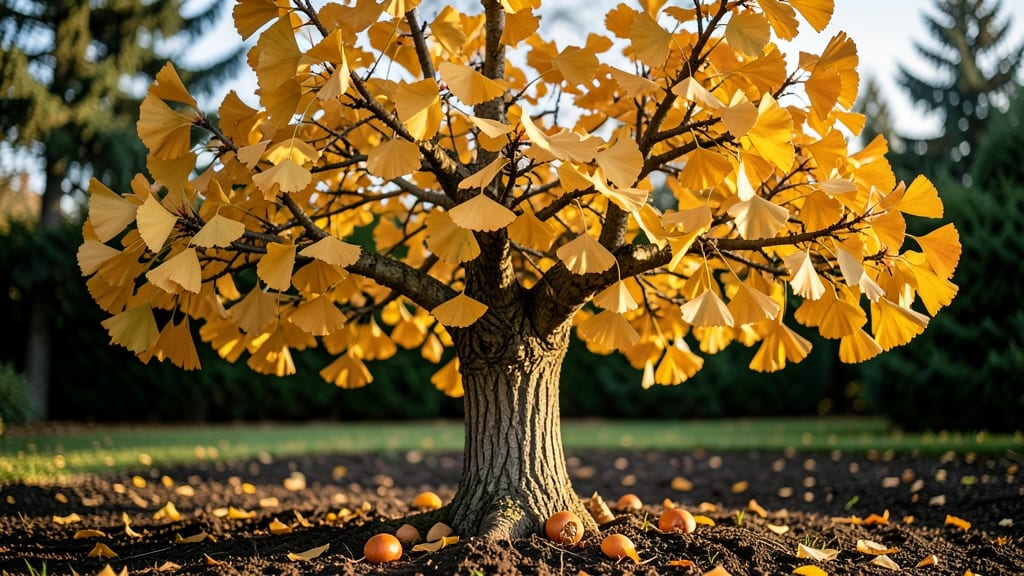
A ginkgo tree grows to 30 to 100 feet tall at maturity, making it one of the most dramatic trees for landscapes—but whether it fits your space depends on the cultivar and how fast you want it to grow.
Picture this: a century-old ginkgo 🌳 standing like a living monument in your yard, its golden leaves turning your neighborhood into a fall spectacle. The reality? Most ginkgo trees take decades to reach their full height, but some fast-growing varieties can add 10 feet per year in ideal conditions.
If you’re working with limited space, dwarf or semi-dwarf cultivars like 'Princeton Sentry' cap out at 25 to 40 feet, while standard types can dwarf a three-story building. Urban gardeners often choose these smaller varieties to balance their sky-high potential with practical yard dimensions.
Below, I’ll break down how to pick the right ginkgo for your space, how pruning can shape its growth, and which cultivars grow the fastest—so you can decide whether to plant for the future or enjoy the view sooner.


Ginkgo tree height guide: mature size by cultivar and growing conditions
The ginkgo tree (Ginkgo biloba) is one of nature's most majestic specimens, often reaching heights that dwarf even the grandest urban landscapes. But how tall does a ginkgo tree grow? The answer depends entirely on the cultivar you choose and the growing conditions you provide.
Some varieties can tower over 100 feet, while others stay compact enough for city streets. Let’s break down what to expect based on your space and goals.
Ginkgo trees are slow to moderate growers, typically adding just 1–2 feet per year in ideal conditions. However, their final height can vary dramatically—from 15 feet in dwarf varieties to over 100 feet in standard types.
The key factors influencing height include soil quality, sunlight exposure, water availability, and pruning practices. Let’s explore the most popular cultivars and how they stack up in terms of mature size.
Soil conditions play a critical role in ginkgo growth. These trees thrive in well-draining, slightly acidic soil (pH 6.0–7.5). Heavy, clay-rich soils can stunt growth, while loose, loamy soil encourages rapid height increases. In urban settings, where soil is often compacted, amending with compost can help young ginkgos reach their full potential faster.
Climate also matters. Ginkgos are incredibly hardy, tolerating USDA Zones 3–9, but their growth rate accelerates in warmer climates with long growing seasons. In colder regions, growth may slow significantly, extending the time it takes to reach mature height. For example, a 'Autumn Gold' ginkgo might take 30 years to reach 60 feet in Zone 5 but only 20 years in Zone 8.
| Cultivar | Mature Height Range | Growth Rate (Per Year) | Best For |
|---|---|---|---|
| 'Autumn Gold' | 60–80 ft | 1–2 ft | Large gardens, parks |
| 'Princeton Sentry' | 40–50 ft | 1–1.5 ft | Urban streets, small yards |
| 'Titan' | 80–100 ft | 1.5–2.5 ft | Spacious landscapes |
| 'Fastigata' | 30–50 ft (columnar) | 1–1.5 ft | Narrow spaces, hedges |
| 'Mariken' | 25–35 ft | 1 ft | Small yards, containers |
The 'Autumn Gold' is one of the most popular cultivars due to its stunning golden fall foliage and moderate growth rate. In optimal conditions, it can reach 80 feet within 40 years, making it ideal for large properties or parks.
If you’re limited on space, the 'Princeton Sentry' is a fantastic choice, growing upright to 50 feet while maintaining a narrow canopy—perfect for city sidewalks or driveways.
For those seeking a true giant, the 'Titan' cultivar is unmatched, capable of surpassing 100 feet in ideal conditions. However, this requires ample space, well-draining soil, and minimal pruning to encourage natural growth.
If you’re working with a small yard, consider 'Fastigata' or 'Mariken', which stay under 35 feet and thrive in containers or tight spaces.
Pruning can significantly alter a ginkgo’s height and shape. Young trees benefit from structural pruning to remove weak branches, while mature trees can be topped to control height—but be cautious. Over-pruning can stress the tree and reduce its disease resistance. The best time to prune is late winter or early spring, before new growth begins. Always use sterilized tools to prevent bacterial infections.
If you’re planting a ginkgo in an urban environment, consider the overhead clearance of power lines or nearby structures. A 100-foot tree with a 30-foot spread needs serious space—think of it like planting a skyscraper in your backyard!
For smaller areas, dwarf or semi-dwarf cultivars like 'Mariken' or 'Saratoga' (20–30 feet) are game-changers, offering all the beauty without the space requirements.
One final tip: Male ginkgo trees (like 'Autumn Gold') are preferred for urban planting because they don’t produce the pungent fruit that female trees do. If you’re unsure, ask your nursery for <
Fastest-growing ginkgo varieties: which cultivars reach sky-high heights quickest?
If you're eager to add a ginkgo tree to your landscape but impatient for its iconic height, some fast-growing cultivars deliver dramatic results in just 10–15 years.
While standard ginkgos like 'Autumn Gold' take decades to reach 60+ feet, these speedy varieties grow 30–50% faster—ideal for bold statements in urban spaces or large gardens.
Ginkgo trees are famously slow-growing, but hybrid cultivars and columnar types break the mold. For example, 'Fastigata' (columnar ginkgos) can grow 2–3 feet per year in optimal conditions, while 'Wolong' (a Chinese giant) reaches 80 feet in 25 years—a pace unmatched by traditional varieties.
Among the fastest, 'Wolong' stands out as a Chinese ginkgo hybrid with aggressive vertical growth. In ideal conditions—full sun, well-draining soil, and regular watering—it can top 100 feet in 30 years, making it a powerhouse for large estates or park landscapes.
Its broad canopy also adds shade and seasonal drama with golden fall foliage.
The 'Fastigata' group, including 'Princeton Sentry', is perfect for urban gardens where space is limited. These columnar ginkgos grow 20–30 feet tall but stay narrow (8–12 feet wide), reaching maturity in 15–20 years.
Their structured shape makes them ideal for street trees or tight yards, offering fast height without sprawl.
For those prioritizing female cultivars, 'Mariken' delivers faster growth than males while producing edible (though messy) seeds. It grows 1.5–2.5 feet per year, reaching 50–60 feet in 25 years.
Plant it 30+ feet from walkways to contain seed drop, or opt for male-only cultivars like 'Titan' for a cleaner look.
To maximize growth, focus on soil health, sun exposure, and pruning young trees to encourage upward growth. Avoid over-pruning—ginkgos thrive on minimal intervention—and mulch annually to retain moisture. With the right cultivar, you can enjoy a sky-high ginkgo in half the time of traditional varieties!