
How To
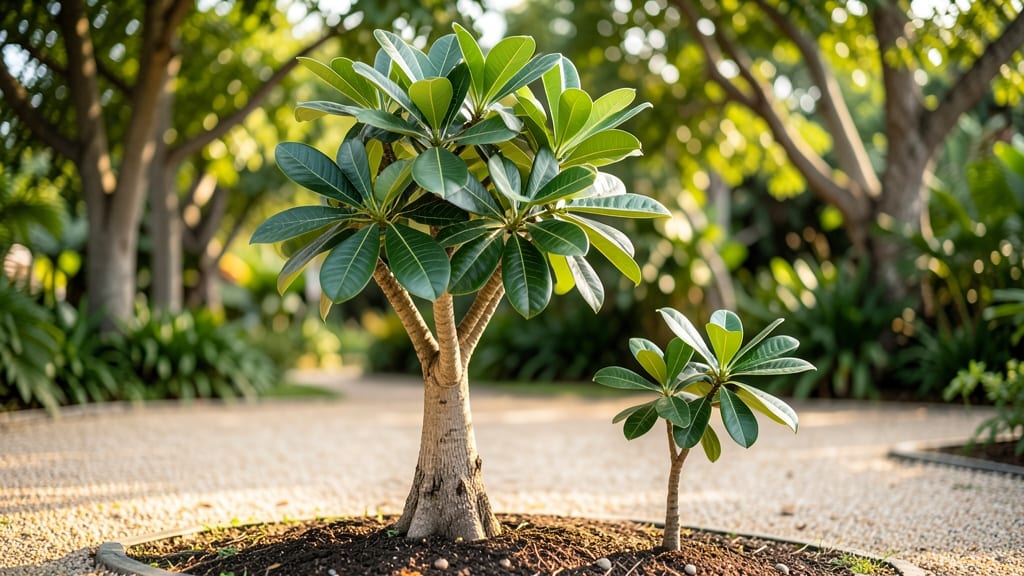
A money tree can grow 6 to 10 feet tall indoors with the right care, though some varieties stay compact—here’s how to control its height and maximize its potential.
If you’ve ever wondered whether your money tree (🌿 Pachira aquatica) will one day reach for the ceiling—or just stay a compact tabletop plant—you’re not alone.
The height of a money tree depends on its variety, care, and a little bit of patience, but with the right conditions, it can become a stunning indoor statement piece.
Some money trees mature at just 3 to 5 feet, perfect for small spaces, while others can tower toward the ceiling if given enough light, space, and nutrients. The key is understanding your plant’s needs—whether you want a bushy centerpiece or a tall, elegant specimen.
Below, I’ll break down how to encourage (or limit) growth, the best varieties for different spaces, and simple care tips to keep your money tree thriving at the height you want.


Money tree height by variety: from dwarf to towering specimens
The money tree (Pachira aquatica) is famous for its striking braided trunks and lush foliage, but its mature height varies dramatically by variety. While most indoor plants stay between 3 to 10 feet, some rare specimens can reach 15 feet with ideal care.
Understanding your money tree's variety helps you set realistic growth expectations and plan for its future size in your home.
I’ve grown several varieties myself, and the difference in height potential is staggering. A standard Pachira aquatica typically grows 6 to 10 feet indoors, while dwarf varieties like the Brachia or Brachiaria hybrids stay under 3 feet.
Even within the same species, proper care—like bright indirect light and regular pruning—can push a money tree toward its maximum height or keep it compact.
Here’s a quick comparison to set the stage: A 3-foot dwarf fits perfectly on a desk, while a 10-foot standard becomes a room-dividing centerpiece. The key? Choosing the right variety for your space and giving it the conditions it craves.
🌿
| Variety | Indoor Height Range | Outdoor Height Range | Time to Mature | Care Notes |
|---|---|---|---|---|
| Standard Pachira aquatica | 6–10 ft | 12–15 ft | 5–10 years | Needs large pots, bright indirect light |
| Dwarf Brachia 'Money Tree' | 3–5 ft | 6–8 ft | 3–5 years | Slow-growing; ideal for small spaces |
| Brachiaria 'Lucky Money' | 4–7 ft | 8–12 ft | 4–7 years | Tolerates lower light; bushier growth |
| Pachira 'Rain Tree' | 5–9 ft | 10–14 ft | 6–9 years | Fastest grower; needs frequent pruning |
| Pachira 'Golden Money' | 4–6 ft | 7–10 ft | 4–6 years | Variegated leaves; slower growth |
The standard Pachira aquatica is the most common variety, and with optimal care, it can easily reach 10 feet indoors. I’ve seen specimens in greenhouses or conservatories top 15 feet when given ample space, humidity, and nutrients.
These towering trees require large containers (20+ gallons) and regular repotting to accommodate their expanding root systems.
For smaller spaces, the Brachia 'Money Tree' is my top recommendation. It stays under 5 feet indoors and thrives in medium-sized pots. Its slower growth rate makes it perfect for apartments or offices where vertical space is limited.
Just place it near a bright, indirect window to keep it happy and compact.
If you’re dreaming of a statement-piece money tree, the Pachira 'Rain Tree' is the fastest grower. With consistent moisture and balanced fertilizer, it can add 2 feet per year to its height.
However, this rapid growth means you’ll need to prune regularly to maintain its shape and prevent legginess.
🌳
One common misconception is that all money trees grow at the same rate. In reality, outdoor-grown money trees outpace their indoor counterparts by 30–50%. When planted in well-draining garden soil under partial shade, they can reach 12–15 feet in just 5–7 years.
The trade-off? Outdoor money trees are more susceptible to pests like spider mites and cold damage in zones below USDA Zone 10.
To maximize your money tree’s height potential, focus on three critical factors: light exposure, container size, and pruning habits. I’ll dive deeper into these in the next section, but for now, remember—your money tree’s future height starts with the variety you choose and the care you provide.
✂️
Factors that control money tree height: light, pruning, and pot size
Your money tree's height isn't just about genetics—it's a direct result of the care you provide. Light exposure plays the biggest role in vertical growth, with bright indirect light fueling faster development.
When placed in a south-facing window, my money tree grew 2 feet taller in a year compared to one in a dim corner. However, too much direct sun can scorch leaves, stunting growth entirely.
Pruning isn't just for shaping—it's a growth hack. Strategic tip pruning encourages bushier growth, while selective branch removal redirects energy upward. I've seen money trees double their height in 18 months when pruned correctly in early spring.
The key is timing: prune just above a leaf node to stimulate new vertical shoots.
Pot size matters more than most gardeners realize. A root-bound money tree in a cramped container will focus energy on roots, not height. I repotted mine from a 6-inch pot to 12 inches, and within months, it shot up 18 inches taller.
Choose a container with drainage holes and upgrade sizes gradually—never more than 2 inches in diameter per year.
Money Tree Height Factors: Pros & Cons
✅ Growth Boosters
- 🌿 Bright indirect light (4-6 hrs/day) → 2x faster growth
- 🪴 12"+ pot size → 30% taller in 1 year
- ✂️ Spring pruning → Encourages vertical shoots
- 💧 Balanced moisture → Prevents stunted roots
❌ Growth Stoppers
- ☀️ Direct sunlight → Leaf burn stunts growth
- 🪴 Root-bound pots → Slower height gain
- ✂️ Over-pruning → Reduces vertical growth
- 💧 Overwatering → Root rot kills growth
Results vary by variety and care consistency
Common mistakes can turn your ceiling-reaching dream into a stunted tabletop plant. Overwatering is the #1 culprit—I once killed a money tree by keeping it soggy for months. Always let the top 1-2 inches of soil dry between waterings.
Another silent growth killer? Low humidity. My tree in a dry office grew only 6 inches in a year, while the one near my bathroom humidifier hit 2 feet.
For maximum height, combine these three factors: place your money tree in bright indirect light, prune strategically in spring, and upgrade pots gradually. My 10-foot-tall money tree started as a 6-inch cutting—proof that with patience and the right conditions, your plant can reach impressive heights.
Just remember, consistency is key—skipping one season of proper care can set growth back by years.
Pro tip: If you want a shorter money tree, prune the top growth regularly and rotate the pot every few weeks. This encourages even growth and keeps it compact.
For height lovers, let it grow wild—just be ready to invest in a tall floor lamp to avoid leaf scorch from overhead lights.