
How To
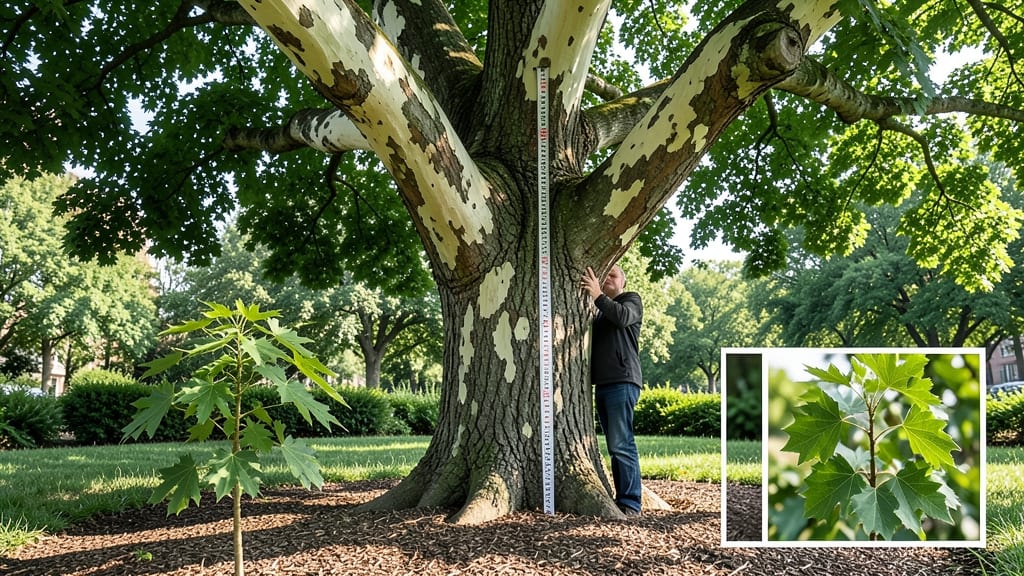
A sycamore tree can grow up to 120 feet tall—taller than a 10-story building—making it one of nature’s most impressive vertical giants 🌳. Picture this: a towering canopy stretching toward the clouds, its mottled bark and sprawling branches creating a living skyscraper in your backyard.
But how does a tree reach such staggering heights? It’s not just about time—soil quality, climate, and even the tree’s species play a role.
In ideal conditions, a sycamore can add 3 feet per year to its height, but stunted growth is common if the soil lacks nutrients or the climate is too harsh.
Whether you’re planning to plant one or simply marveling at their grandeur, understanding these growth factors helps you set realistic expectations. From ancient European forests to suburban yards, sycamores prove that patience and the right conditions can turn a sapling into a true forest giant.
In this guide, I’ll break down the science behind their height, share real-world records, and give you tips to encourage maximum growth—so you can grow a sycamore that truly reaches for the sky.


Sycamore tree height records: the tallest specimens by species and region
Sycamores are nature's skyscrapers, with some specimens reaching heights that defy imagination. The American sycamore (Platanus occidentalis) and London plane (Platanus × acerifolia) hold the records for towering growth, but their maximum heights vary dramatically by region.
In the southeastern U.S., American sycamores often surpass 100 feet, while European London planes typically max out around 80-90 feet due to cooler climates. These giants aren't just tall—they're also some of the fastest-growing trees, adding 3-6 feet per year under ideal conditions.
The tallest recorded sycamore stands in the U.S., a massive American sycamore in Mississippi measured at 130 feet with a trunk diameter of nearly 12 feet. This specimen thrives in the deep, fertile soils of the Mississippi River floodplain, where high humidity and warm temperatures fuel rapid vertical growth.
In contrast, European sycamores rarely exceed 90 feet, with the tallest documented London plane in England reaching 85 feet—a testament to their adaptability to cooler, wetter climates.
Soil quality plays a critical role in sycamore height potential. Trees grown in well-draining, nutrient-rich loam with high organic matter can grow 20% taller than those in clay-heavy or rocky soils.
For example, sycamores along the Mississippi River benefit from floodplain deposits, while urban London planes in London's clay soil rarely surpass 60 feet. Even age matters: sycamores typically reach 50% of their maximum height by age 20-30, with growth slowing significantly after 50 years.