
How To
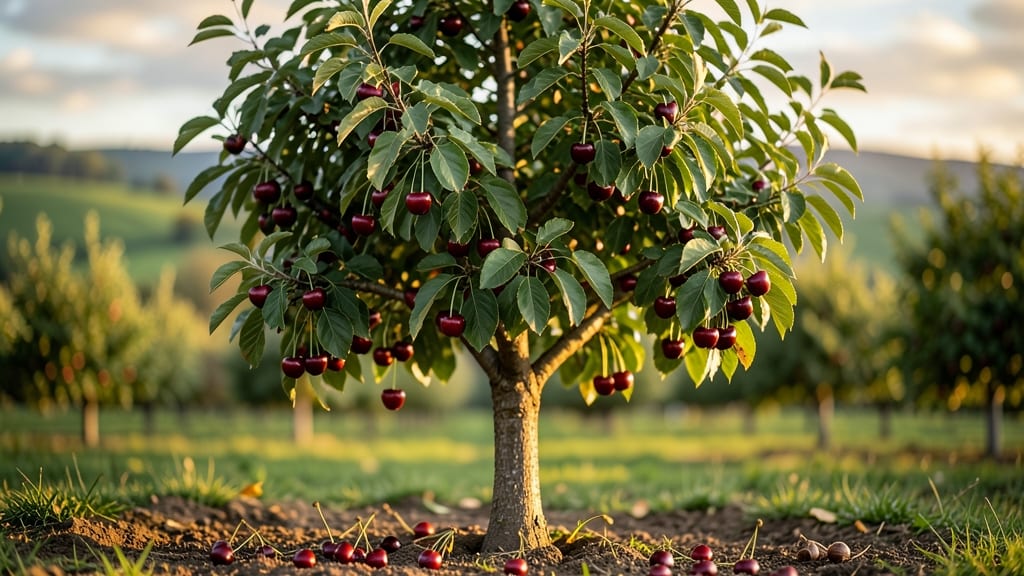
A Bing cherry tree 🍒 can grow anywhere from 15 to 30 feet tall at maturity, depending on the variety and growing conditions you provide.
If you're dreaming of a backyard Bing cherry tree but wondering whether it will tower over your house or stay neatly contained, the answer depends on the variety—and we’ve got the exact height ranges you need to plan your garden perfectly.
Standard Bing cherry trees reach heights of 20 to 30 feet, making them perfect for large properties or orchards, while dwarf varieties stay between 6 and 10 feet, ideal for small yards or containers.
Below, I’ll break down how to choose the right variety for your space, the best pruning techniques to control its height, and tips to ensure your Bing cherry tree thrives without taking over your backyard.


Bing cherry tree height by mature variety: standard vs dwarf options
Choosing a Bing cherry tree for your garden starts with understanding its mature height. Standard varieties can reach 20–30 feet tall, while dwarf options stay between 6–10 feet.
The difference isn’t just about aesthetics—it impacts fruit production, pruning needs, and even your harvesting ease. Let’s break down the key varieties and what to expect over time.
Most standard Bing cherry trees take 5–10 years to reach full maturity, growing 1–2 feet per year in ideal conditions. Dwarf varieties grow slower but still need proper care to stay compact.
The rootstock you choose—like Gisela 5/6 or Colt—plays a huge role in controlling height. Without pruning, even dwarf trees can outgrow their space in 5–7 years.
Here’s how the most common Bing cherry varieties compare in height, including their growth rates and best uses in your garden:
If you’re working with limited space, dwarf varieties like Bing Improved or trees on Gisela 5/6 rootstock are your best bet. These stay under 10 feet tall and produce high-quality fruit without requiring a ladder.
Just remember: even dwarf trees need 6–8 feet of clearance for branches to spread comfortably.
For standard Bing cherries, plan for 20+ feet of height and 15–20 feet of width at maturity. These trees thrive in open orchards or large backyards where they won’t crowd other plants.
If you’re planting near your home, leave at least 10 feet of clearance from walls or power lines to avoid future pruning headaches.
Pruning plays a critical role in managing height, especially for dwarf varieties. I recommend annual summer pruning to remove water sprouts and overlapping branches. In late winter, do a structural pruning session to shape the tree and encourage fruit-bearing wood.
Use sharp bypass pruners and sterilize them between cuts to prevent bacterial canker.
One common mistake is assuming dwarf trees will stay small without intervention. Without regular pruning, even Gisela 5/6 rootstock trees can grow 2–3 feet taller than expected. I’ve seen 8-foot dwarf Bing cherries become 12-foot monsters in just 3 years when left unchecked.
Stay proactive with seasonal maintenance to keep your tree at your desired height.
For fastest growth, ensure your Bing cherry tree gets full sun (6+ hours daily) and well-draining soil. Amend heavy clay soil with compost or sand to improve drainage, which is key for root health.
Mulch around the base with wood chips to retain moisture and suppress weeds, but keep mulch 3–4 inches away from the trunk to prevent rot.
If you’re growing Bing cherries in containers, choose a dwarf variety and a large pot (at least 20 gallons). Use a fast-draining potting mix and repot every 2–3 years to refresh nutrients. Container-grown trees need more frequent watering and winter protection in cold climates, like
How to control Bing cherry tree height for small gardens
If your small garden feels too cramped for a towering Bing cherry tree, don’t worry—you can control its height with the right techniques. The key lies in choosing the right rootstock and mastering pruning strategies.
Standard Bing cherry trees can reach 20–30 feet, but dwarf varieties like those grafted onto Gisela 5/6 rootstock stay between 6–10 feet, making them perfect for tight spaces.
Start by selecting a dwarf rootstock like Gisela 5/6 or Colt, which naturally limits height while maintaining fruit production. These rootstocks also mature faster, giving you cherries in 3–5 years instead of a decade.
Pair this with proper spatial planning—place your tree at least 10–15 feet from fences or structures to avoid future pruning headaches.
Here’s how to manage your Bing cherry tree’s height step-by-step:
- Choose the right rootstock: Opt for Gisela 5/6 (6–10 ft) or Colt (8–12 ft) for compact growth. Avoid standard rootstocks like Mahaleb, which can reach 20+ feet.
- Prune in late winter: Remove 1/3 of last year’s growth before buds swell. Focus on vertical branches to encourage a bushier shape and prevent height spikes.
- Use the "open-center" method: Thin out competing branches inside the canopy to improve airflow and fruit access. Aim for a 6–8 foot spread for dwarf varieties.
- Summer pruning tip: Lightly trim water sprouts (fast-growing vertical shoots) to redirect energy to fruit production. Use clean, sharp pruners to avoid disease.
- Fertilize strategically: Apply a balanced 10-10-10 fertilizer in early spring and late summer to promote controlled growth without excessive height gains.
Timing is everything when pruning Bing cherries. Late winter (just before buds break) is ideal for structural pruning, while summer pruning keeps the tree manageable. Avoid heavy pruning in fall—this can stimulate late-season growth that won’t harden off before winter.
For tools, invest in a bypass pruner for clean cuts and a pole saw for higher branches. Always sterilize tools with rubbing alcohol between cuts to prevent bacterial infections like canker disease, which can weaken your tree’s structure.
With these steps, your Bing cherry tree will stay at a manageable height while still producing abundant fruit. Even in small gardens, you can enjoy homegrown cherries without sacrificing space or aesthetics! 🍒✂️🌳