
How To
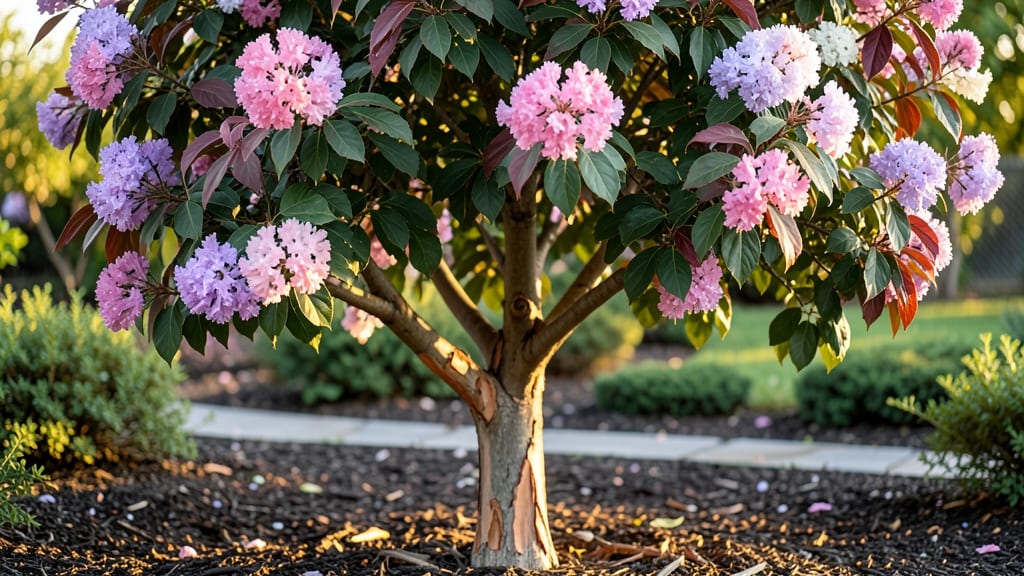
A crepe myrtle tree grows how tall does a crepe myrtle tree grow anywhere from 6 feet to towering 30 feet, depending on the variety and growing conditions — so choosing the right one for your space makes all the difference.
If you're dreaming of a stunning, low-maintenance tree that blooms like a firework display every summer, crepe myrtles might be your perfect match—but first, you need to know their growth potential to plan your landscape wisely.
Some varieties, like the compact 'Arapaho,' stay under 12 feet, making them ideal for small yards or urban patios, while others, such as 'Natchez,' can reach 25 feet or more, perfect for large properties or as a statement piece in a backyard.
Below, I’ll break down the height ranges by variety, the factors that influence growth, and practical tips to manage their size—so you can pick the perfect crepe myrtle 🌳 for your space and enjoy its beauty for years to come.


Crepe myrtle height ranges by variety: from dwarf to giant trees
Crepe myrtles are famous for their vibrant summer blooms and adaptable nature, but their mature height can vary dramatically depending on the variety you choose.
Whether you're planning a small backyard patio or a large landscape statement, knowing these height ranges will help you select the perfect tree for your space. From dwarf varieties that stay under 10 feet to giant specimens reaching 30 feet, there's a crepe myrtle for every yard size.
The height range of crepe myrtles isn't just about aesthetics—it also affects planting distance, pruning needs, and even utility considerations like overhead power lines. For example, a 20-foot tree needs at least 15 feet of clearance from structures, while a 6-foot dwarf can thrive in tight urban spaces.
Let's explore the most popular varieties and their mature heights to help you make an informed decision.
| Variety | Mature Height | Spacing Needs | Best For |
|---|---|---|---|
| Arapaho | 6-10 ft | 6-8 ft from structures | Small yards, patios |
| Natchez | 15-20 ft | 12-15 ft from structures | Medium yards, focal points |
| Tonto | 10-15 ft | 8-10 ft from structures | Urban landscapes, small gardens |
| Catawba | 20-30 ft | 20+ ft from structures | Large properties, street trees |
| Muskogee | 12-18 ft | 10-12 ft from structures | Medium to large yards |
| Sioux | 25-30 ft | 20+ ft from structures | Large landscapes, privacy screens |
One of the most popular dwarf crepe myrtles is the Arapaho variety, which typically matures between 6 and 10 feet tall. This makes it an excellent choice for small yards or container gardening on patios and balconies.
Its compact size also means it requires less pruning maintenance compared to taller varieties, making it ideal for busy gardeners. Just be sure to plant it at least 6 feet away from sidewalks or buildings to allow for proper air circulation.
The Natchez variety is a mid-sized crepe myrtle that reaches 15 to 20 feet at maturity, making it perfect for medium-sized yards or as a focal point in landscape designs. Its height provides ample shade while still fitting well in suburban settings.
For best results, plant Natchez at least 12 feet away from structures to avoid future conflicts with roofs or power lines. This variety also produces stunning white flowers that bloom prolifically in summer.
If you're looking for a tall crepe myrtle to make a bold statement, the Catawba variety is a top choice, growing up to 30 feet tall. This giant variety is best suited for large properties or as a street tree in urban areas.
When planting Catawba, give it plenty of space—at least 20 feet from buildings or other structures. Its deep purple blooms create a dramatic visual impact and attract pollinators like hummingbirds and bees.
For those with limited space but still want the beauty of crepe myrtles, consider the Tonto variety, which matures between 10 and 15 feet tall. This versatile option works well in urban landscapes or as a privacy screen along fences.
Tonto's lavender flowers add a soft contrast to modern or traditional home designs. Plant it 8 to 10 feet away from structures to ensure it has room to grow without becoming a nuisance
Factors that influence crepe myrtle growth height (and how to control it)
Your crepe myrtle's final height isn't just luck—it's a mix of genetics, care, and environment. While some varieties naturally stay compact, others can shoot up like skyscrapers if given the right conditions. Understanding these growth factors lets you shape your tree's size while keeping it healthy and thriving.
From sunlight exposure to pruning techniques, each element plays a role in whether your crepe myrtle becomes a 6-foot patio tree or a towering 30-foot landscape centerpiece. Let's break down what controls its growth and how you can guide it to your desired height.
Crepe myrtles hate aggressive pruning. Cutting back more than 25% of the canopy in one season can stress the tree, leading to weak growth or even death. Always prune after flowering (late summer/early fall) and never remove more than 1/3 of the branches at once.
Pro Tip: Use clean, sharp pruners and make cuts just above a leaf node to encourage healthy regrowth.
Your local climate is the first factor determining height. Crepe myrtles thrive in USDA Zones 7-9, where warm summers and mild winters let them grow aggressively. In cooler zones like Zone 6, growth slows, often capping mature height at 15-20 feet instead of 30.
Soil quality makes a huge difference. Well-draining, sandy loam with a slightly acidic pH (6.0-7.0) fuels rapid growth. Heavy clay soils, however, stunt root development, keeping your tree shorter but weaker. Amend compacted soil with compost or sand to improve drainage and encourage taller growth.
Pruning isn't just for shaping—it's a growth regulator. For taller trees, avoid heavy pruning. Instead, remove only dead or crossing branches to maintain natural form. To keep a crepe myrtle compact, prune back 1/3 of the new growth in late winter, just before buds swell.
Repeat annually for a 6-12 foot dwarf tree.
Don't forget watering habits. Deep, infrequent watering (every 7-10 days for established trees) encourages deeper root growth, which supports taller stature. Overwatering leads to weak, leggy growth and increases disease risk, often resulting in shorter, less sturdy trees.
With the right balance of sunlight, soil, pruning, and water, you can steer your crepe myrtle toward your ideal height—whether that's a privacy screen or a shade-providing giant. Start with the right variety, then fine-tune care to match your space! 🌳