
How To
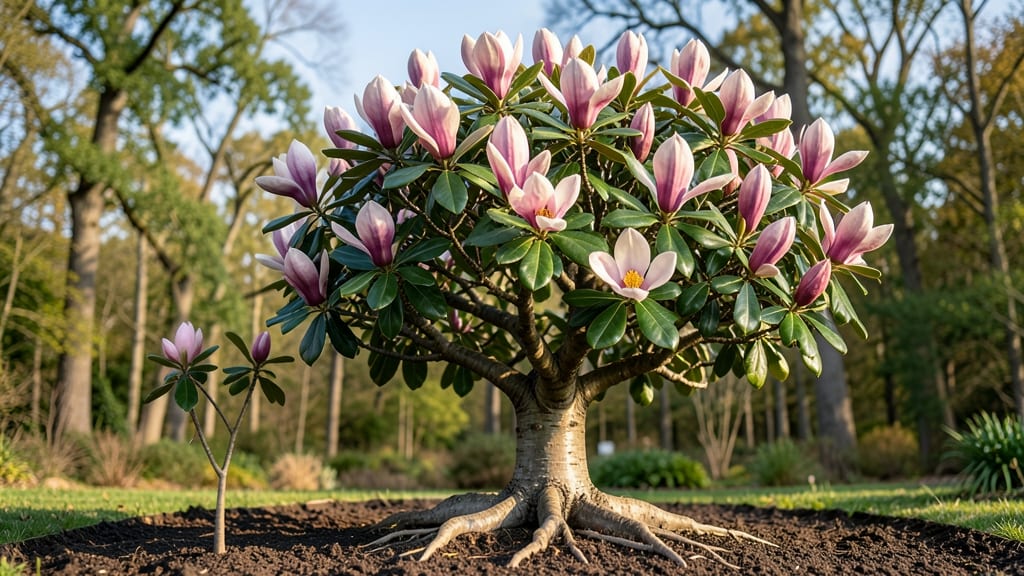
A magnolia tree can grow how tall can a magnolia tree grow anywhere from 10 feet to towering over 100 feet, depending on the variety and growing conditions 🌸 — and knowing the difference is the key to picking the perfect tree for your space.
If you’ve ever dreamed of a towering magnolia tree shading your backyard with fragrant blooms, you’re not alone—but did you know some varieties can reach heights that rival skyscrapers? Whether you’re working with a small urban yard or a sprawling estate, choosing the right magnolia means balancing beauty and space.
Most magnolias fall into three height categories: dwarf varieties like Magnolia stellata (which max out around 12 feet), mid-sized options such as Little Gem (reaching 25 feet), and giants like the Southern Magnolia (which can soar past 80 feet).
Below, I’ll break down how fast these trees grow, what factors influence their height, and how to prune or space them for the perfect fit in your landscape—so you can enjoy their stunning blooms without the stress of overgrowth.


Magnolia tree height by variety: from dwarf to sky-high giants
Choosing a magnolia tree isn’t just about its stunning blooms—it’s about planning for the future. Some varieties stay compact enough for small yards, while others grow into towering giants that dominate the landscape.
The Southern Magnolia, for example, can reach heights of 80 to 100 feet, making it a statement piece for large properties. But if you’re working with limited space, dwarf varieties like Magnolia stellata max out at just 8 to 12 feet, perfect for patios or foundation plantings.
Understanding these height differences helps you avoid costly mistakes, like planting a fast-growing magnolia too close to your house or driveway. I’ve seen gardeners regretfully remove mature magnolias because they didn’t account for their eventual size.
The key is matching the variety to your space while still achieving that dramatic, fragrant impact magnolias are famous for.
Here’s a quick comparison to help you visualize the range—from dwarf magnolias that fit cozy gardens to giant magnolias that become living landmarks.
| Variety | Mature Height | Growth Rate | Best For |
|---|---|---|---|
| Magnolia stellata ('Star Magnolia') | 8–12 ft | Slow to moderate | Small yards, patios |
| Magnolia grandiflora 'Little Gem' | 15–25 ft | Moderate | Medium spaces, privacy screens |
| Magnolia soulangeana ('Saucer Magnolia') | 20–30 ft | Fast | Quick shade, large gardens |
| Magnolia grandiflora (Southern Magnolia) | 60–100 ft | Slow to moderate | Large estates, parks |
| Magnolia denudata (Yulan Magnolia) | 30–40 ft | Moderate | Specimen trees, focal points |
| Magnolia tripetala (Umbrella Magnolia) | 40–60 ft | Slow | Woodland gardens, naturalized areas |
The Southern Magnolia is the undisputed giant of the group, capable of reaching 100 feet in ideal conditions. I’ve visited historic estates where these trees tower over two-story homes, their glossy leaves creating a canopy that blocks summer sun.
But don’t let their size intimidate you—many magnolias, like the Star Magnolia, grow slowly, making them manageable even in tight spaces.
If you’re after fast-growing magnolias for quick shade or privacy, the Saucer Magnolia is a top choice, gaining 2–3 feet per year in optimal conditions. Pair it with dwarf varieties like 'Little Gem' for a layered look that adds depth without overwhelming your yard.
Just remember: even slow growers like the Yulan Magnolia can eventually reach 30–40 feet, so always check mature heights before planting.
For urban gardeners, container-grown magnolias offer a compromise. Varieties like Magnolia 'Black Tulip' (15–20 ft) thrive in large pots, letting you enjoy their blooms without permanent commitment. I’ve seen them used as stunning patio centerpieces that can later be transplanted into the ground.
The trade-off? You’ll need to prune roots regularly to keep them contained.
One surprising factor in height is soil quality. Poor, rocky soil can stunt a magnolia’s growth, while rich, well-draining soil with organic matter encourages rapid vertical expansion. I once had a Southern Magnolia client whose tree grew 50% taller after amending the soil with compost and peat moss.
Don’t underestimate the power of good dirt—it’s often the difference between a 20-foot tree and a 60-foot giant.
Climate plays a role too. Magnolias in USDA Zones 6–9 generally grow faster due to longer growing seasons. In cooler zones, like Zone 5, growth slows significantly, often by 30–50%.
If you’re in a northern climate, opt for cold-hardy varieties like Magnolia 'Jane' (15–20 ft), which thrives where tender species would struggle.
Pro tip: Always measure your space before buying. A 25-foot magnolia planted 10 feet from your house will eventually touch your roof—trust me, I’ve seen it happen!
Leave at least half the tree’s mature height in clearance for branches to spread. For example, a 30-foot magnolia needs 15 feet of horizontal space
How fast do Magnolia trees grow? Growth rates and height projections
Magnolias are among the most majestic trees in any garden, but their growth speed can vary dramatically depending on the variety and growing conditions. On average, most magnolias grow 12-24 inches per year during their most active years, with some dwarf varieties maturing in just a decade.
Understanding these growth rates helps you plan your landscape with confidence—whether you want a small accent tree or a towering shade provider.
In their first few years, magnolias focus on root development, so height gains are modest. A 1-year-old sapling might reach only 1-2 feet tall, while a 3-year-old tree typically grows to 3-5 feet.
By year five, many varieties surge in height, adding 2-3 feet annually until they reach maturity. This rapid growth phase usually lasts 10-15 years, after which growth slows significantly.
| Variety | Mature Height | Annual Growth Rate (Young) | Time to Mature |
|---|---|---|---|
| Magnolia stellata (Star Magnolia) | 8-12 ft | 12-18 in/year | 10-15 years |
| Magnolia grandiflora 'Little Gem' | 15-25 ft | 18-24 in/year | 15-20 years |
| Southern Magnolia (Magnolia grandiflora) | 60-100 ft | 24-36 in/year | 30+ years |
| Saucer Magnolia (Magnolia × soulangeana) | 20-30 ft | 18-24 in/year | 20-25 years |
Several factors influence how quickly a magnolia grows. Sunlight exposure is critical—most varieties thrive in full sun to partial shade, with 6+ hours of direct sunlight accelerating growth.
Poor soil drainage or compacted clay soil can stunt a magnolia’s height, while well-amended, slightly acidic soil (pH 5.0-6.5) promotes faster, healthier growth. In warmer climates like USDA Zones 7-9, magnolias often grow 20-30% faster than in cooler regions.
Climate also plays a role. Magnolias in humid southern states may reach maturity sooner due to ideal moisture and temperature conditions. Conversely, those in drier western regions or northern climates with shorter growing seasons will grow more slowly.
If you’re in a cooler zone, choose cold-hardy varieties like Magnolia stellata or Magnolia kobus, which tolerate Zone 4 temperatures while still achieving respectable heights.
To estimate a magnolia’s future height before planting, start by researching the mature size of your chosen variety. Then, account for your local growing conditions: subtract 10-20% from the expected height if your soil is poor or your climate is harsh.
For example, a Southern Magnolia might reach 80 feet in ideal conditions but only 60 feet in a cooler, drier area. Planting near power lines or structures? Opt for dwarf varieties like 'Black Tulip' or 'Royal Star', which max out at 10-12 feet.
Remember, magnolias are long-lived trees—some Southern Magnolias live for 200+ years—so planning for their eventual size is essential. With the right variety and care, you’ll enjoy decades of fragrant blooms and lush foliage while watching your magnolia grow into a stunning centerpiece. 🌿🌳