
Watering
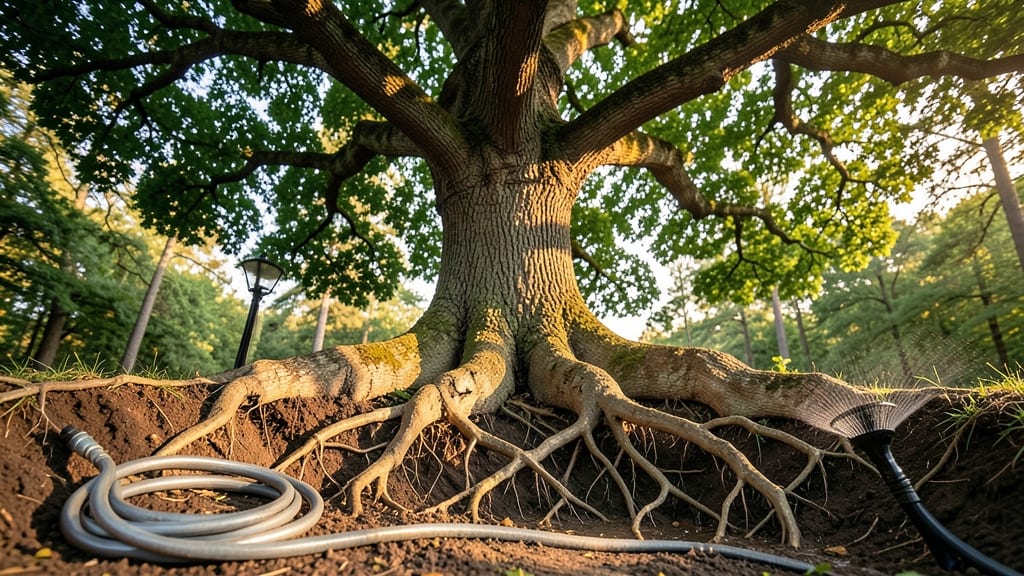
New trees need consistent watering to establish strong roots, but overwatering can be just as harmful. These exact watering times—tailored by season and soil—ensure your young tree thrives without guesswork, saving you time and effort while maximizing growth.
Spring Planting Watering Schedule for Clay Soil
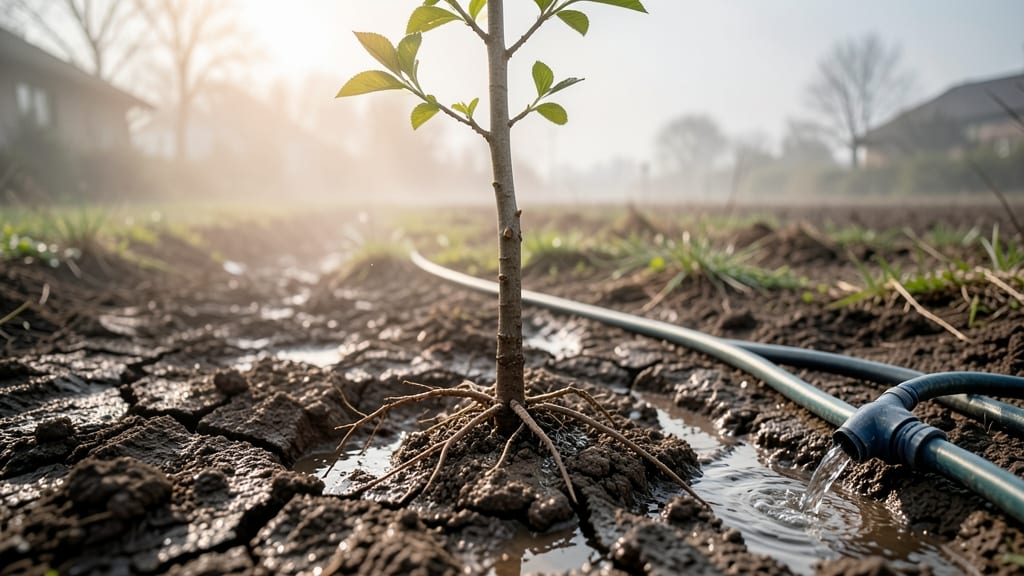
Spring is the most critical season for new trees in clay soil, where moisture lingers but roots struggle to breathe. Unlike sandy soil, clay doesn’t drain quickly—meaning you risk suffocating young roots if you water too often or too shallowly. The key? Deep, slow watering that mimics natural rainfall while preventing waterlogging.
For the first two weeks after planting, water your tree’s root zone (about 12-18 inches from the trunk) for 15-20 minutes per session using a hose with a gentle spray nozzle. Aim for once every 5-7 days, adjusting based on rainfall—clay stays damp longer, so check the top 2 inches of soil before watering again. After two weeks, reduce to once every 10-14 days unless your area experiences a heatwave. Mulch heavily (3-4 inches) to regulate soil temperature and moisture.
This schedule is perfect for urban gardeners with clay-heavy yards or anyone planting fruit trees or shade trees like cherry or maple, which need strong root systems to thrive. Skip the sprinkler—direct hose watering ensures roots get the hydration they need without wasting water. 💡
Summer Watering for Sandy Soil Trees
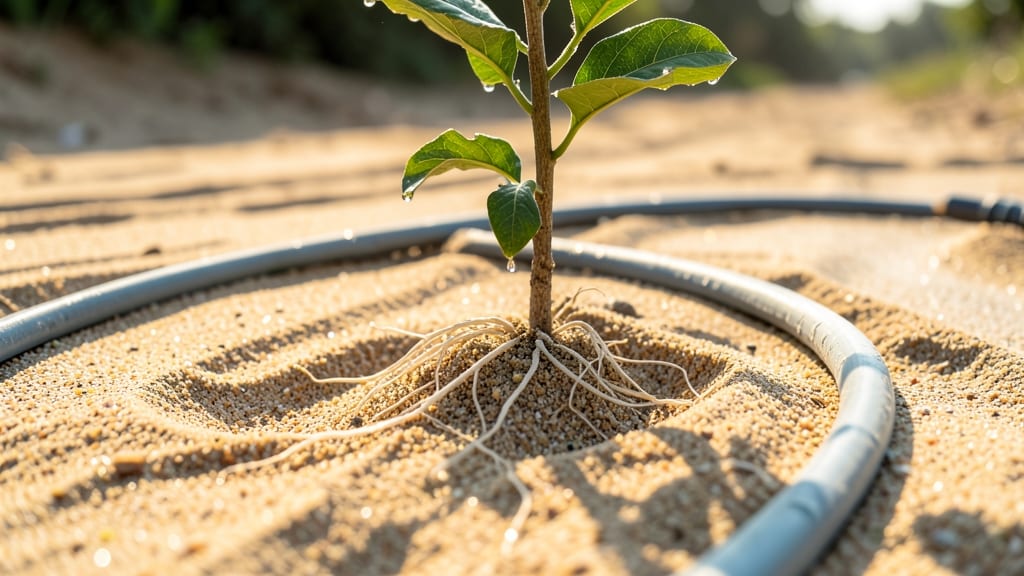
If your new tree sits in sandy soil, you’re facing a unique challenge: water disappears faster than you can say "root zone." Unlike clay soil, which holds moisture like a sponge, sandy soil drains in minutes—meaning your tree needs frequent, shallow watering to keep roots hydrated during summer’s scorching heat.
For the first two weeks after planting, water every 2-3 days for 10-15 minutes per session using a hose with a gentle spray nozzle. Focus on the root ball area, not the leaves, to avoid fungal issues. After establishment, reduce to 2-3 times per week but monitor soil moisture—stick your finger 2 inches deep; if it’s dry, it’s time to water again.
This method is perfect for urban gardeners with sandy yards or coastal landscapes where moisture evaporates quickly. By mimicking natural rainfall with shallow, regular watering, you’ll help your tree develop a deep root system without wasting water. 🌱
Fall Transition Watering for Loamy Soil
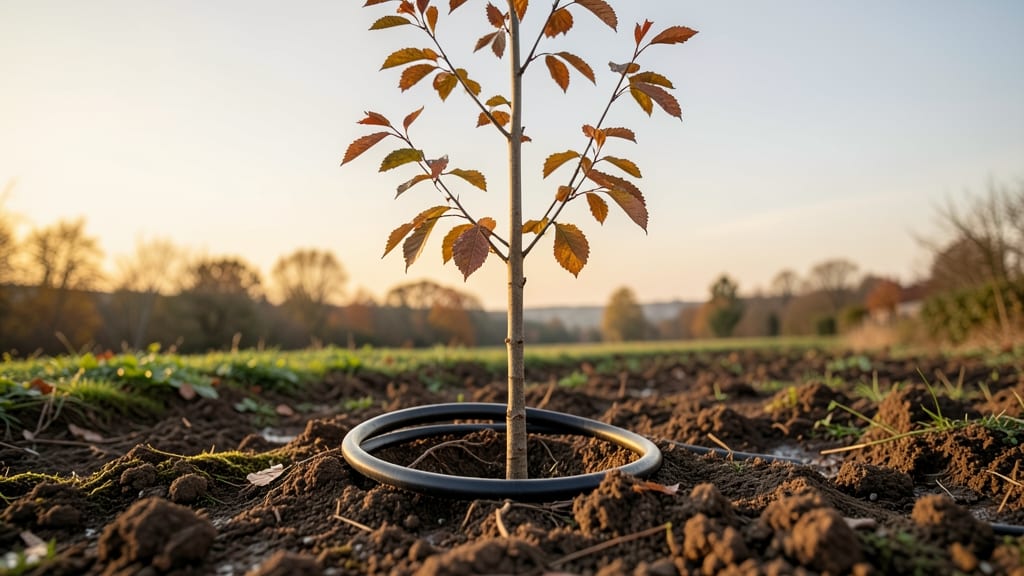
Fall is the perfect time to fine-tune your watering routine for trees in loamy soil, where moisture balance is key. Unlike clay or sand, loamy soil retains water just enough to support roots while preventing soggy conditions—critical as trees prepare for winter dormancy.
Water your new tree for 10-15 minutes per session, 2-3 times per week, depending on rainfall. Aim for deep watering (soaking the root zone 12-18 inches down) to encourage strong root growth before cold sets in. Reduce frequency if autumn rains keep soil consistently moist, but never let loamy soil dry out completely.
This method is ideal for urban gardeners with limited time—loamy soil’s forgiving nature means fewer adjustments, and your tree will thank you with vibrant foliage and resilience come spring. 🌿
Winter Dormancy Watering Adjustments
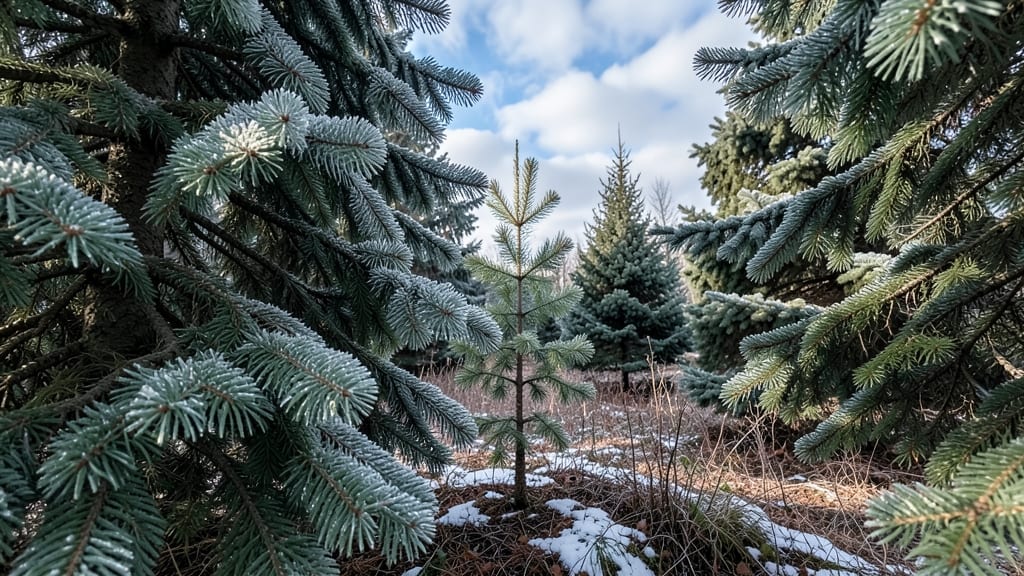
Winter’s chill might make you think your trees don’t need water—but evergreens and newly planted trees still require careful hydration to survive frost. Unlike deciduous trees that enter full dormancy, evergreens like pine, spruce, and arborvitae continue transpiring (losing moisture) through their needles, making winter watering a delicate balance.
Cut back on watering by 30-50% compared to fall, but aim for deep, infrequent sessions every 2-3 weeks instead of light sprinkles. Use a hose to deliver 10-15 gallons per inch of trunk diameter directly to the root zone—avoid wetting foliage to prevent ice formation. Mulch heavily (4-6 inches) to insulate roots and retain moisture.
This adjustment prevents frost heave (when soil freezes and lifts roots) and ensures your trees wake up strong in spring. Perfect for urban gardeners with limited time or those protecting high-value evergreens from winter stress. 🌟
Drip Hose Method for Large Canopy Trees
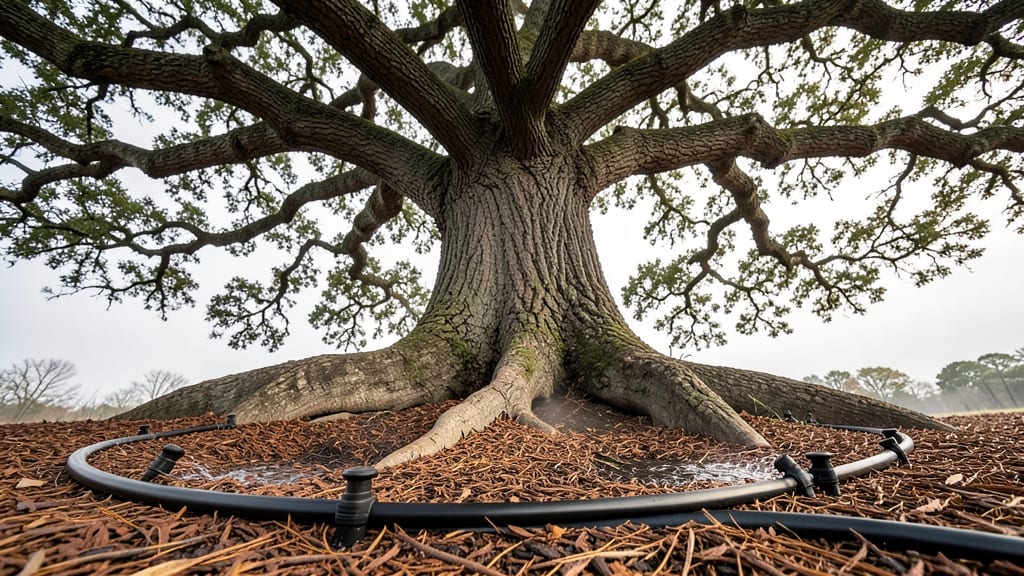
Large canopy trees like oak, maple, or magnolia need deep, slow watering to support their extensive root systems—surface watering just won’t cut it. A drip hose delivers moisture directly to the root zone while keeping evaporation low, making it the perfect solution for these thirsty giants.
Place the hose at the tree’s drip line (where the canopy ends) and let it run for 1-2 hours at a slow flow rate (about 1 gallon per minute). This ensures water penetrates 12-18 inches deep, encouraging roots to grow downward rather than staying shallow. For newly planted trees, aim for deep watering 2-3 times per week during the first year, adjusting for seasonal needs.
This method is ideal for urban gardeners with limited time—it conserves water, reduces runoff, and keeps foliage dry, minimizing disease risk. Plus, you can set it on a timer for hands-off care. 💡
Container-Grown Tree Watering Guidelines
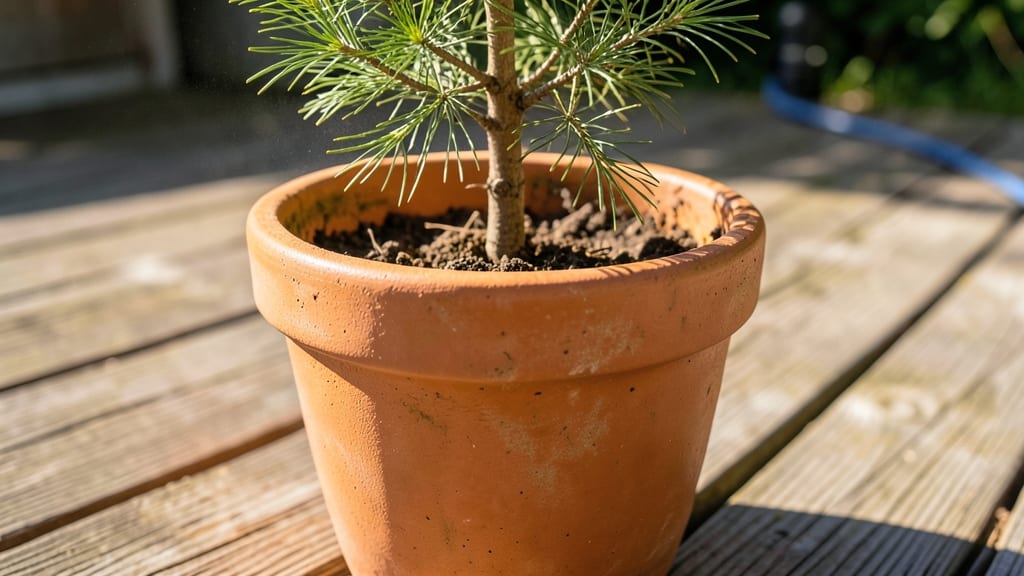
Potted trees may look small, but their roots dry out three times faster than in-ground trees because containers lack moisture-retentive soil depth. Unlike permanent plantings, container-grown trees need daily checks during summer heat—especially in terracotta pots, which wick moisture away.
Adjust your watering based on pot size: 5-gallon containers need 1-2 gallons per watering, while 15-gallon pots require 3-5 gallons. Water until it flows freely from drainage holes, then wait until the top inch of soil feels dry before repeating. Plastic pots hold moisture longer than terracotta, so reduce frequency by 20-30% to avoid root rot.
Urban gardeners and balcony growers will love this approach—it keeps your potted trees thriving without the guesswork. Just remember: morning watering prevents evening evaporation, giving roots the best chance to absorb moisture. 💡
Signs Your Tree Needs More or Less Water
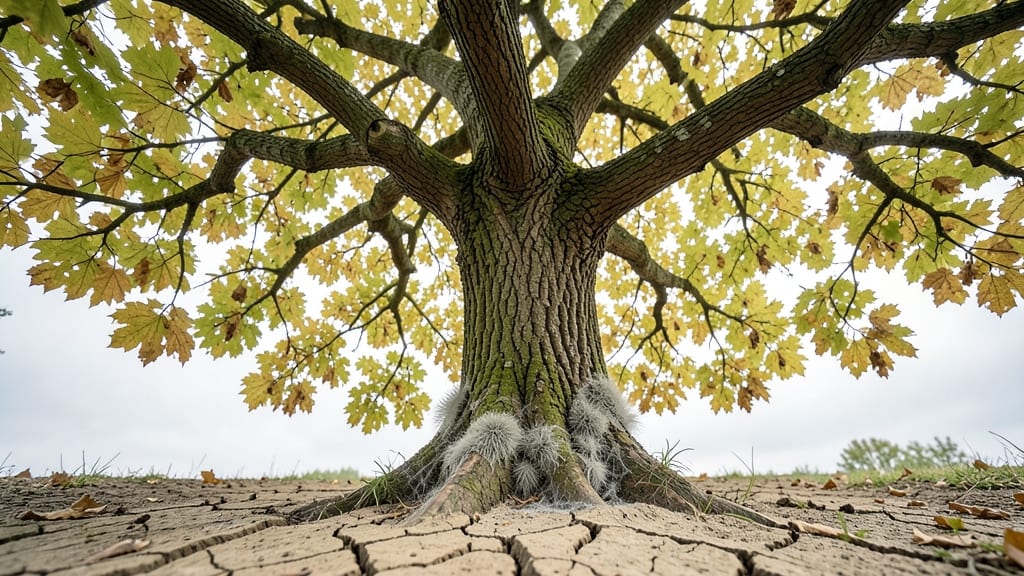
Your tree’s leaves are whispering secrets about its water needs—if you know how to listen. Wilting leaves or yellowing foliage often signal thirst, while mushy bark or fungal growth at the base may mean you’re drowning the roots in too much moisture.
Check the soil surface—deep cracks or powdery dryness near the trunk indicate under-watering, while soggy soil or moldy mulch suggest over-watering. For young trees, deep watering (soaking the root zone) every 5-7 days in summer is ideal, but adjust based on these visual cues. Even experienced gardeners sometimes miss these early warnings!
Mastering these signs helps you save water, prevent disease, and keep your tree healthy with minimal effort. 🌟