
Pruning
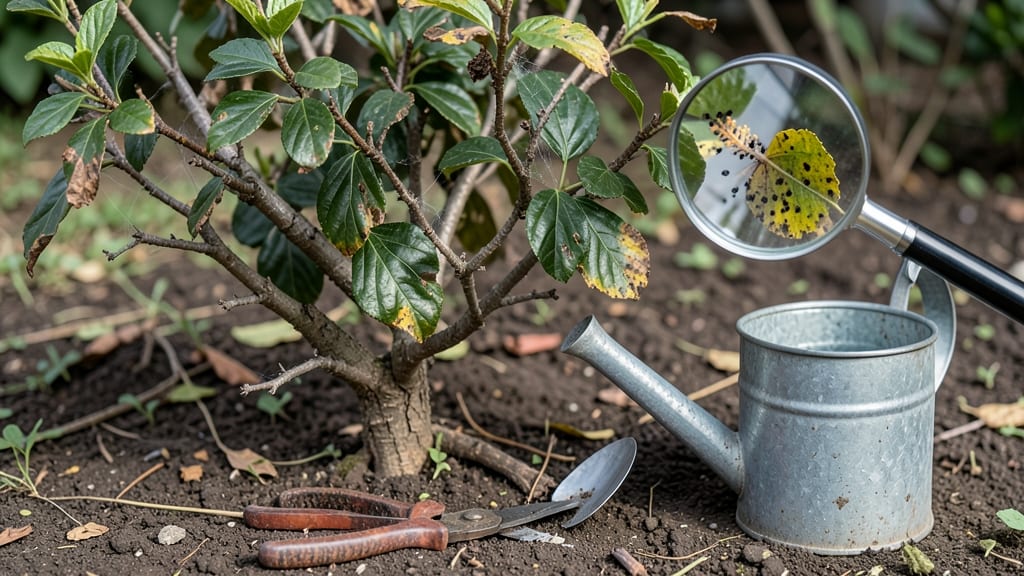
My hibiscus tree looks dead—but don’t panic, it might just be taking a well-deserved winter break. 🌿 I’ve seen this happen after years of summer blooms, when the plant conserves energy for spring’s comeback. The key difference? A truly dead hibiscus has brittle branches that snap like dry twigs, while dormant wood stays slightly pliable when bent.
Most "dead" hibiscus trees are actually victims of overwatering or sudden cold snaps. Check the roots first—healthy roots smell earthy, not rotten. If the soil stays soggy for weeks, you’ve got root rot.
Prune back any mushy stems at the base, and let the soil dry out completely before watering again. Pests like scale or spider mites also drain energy, so inspect the undersides of leaves for sticky residue or tiny webs.
Here’s the good news: hibiscus trees are tough. If the trunk is still firm and the bark isn’t peeling, new growth will return once temperatures rise above 60°F. Give it a light pruning to encourage fresh shoots, and move it to brighter light if indoors.
Within 4-6 weeks, you’ll spot tiny buds forming—proof your tree is alive and ready to bloom again.
For irreversible cases (like hollow trunks or blackened cankers), start fresh with a cutting. But in 90% of cases, patience and proper care bring them back. Your tree’s winter rest is just setting the stage for next summer’s spectacular blooms—so don’t give up just yet!
Root Causes Behind Wilted Hibiscus
Hibiscus trees can look surprisingly lifeless even when they’re not—especially during dormancy—but sometimes, the signs of death are real. Understanding the why behind your struggling hibiscus helps you take precise action. Below are the most common culprits, explained in clear, actionable terms.
Hibiscus (Hibiscus rosa-sinensis) thrives in USDA Zones 9–11, where temperatures stay between 60–85°F (15–29°C). When exposed to frost, heatwaves, or sudden cold snaps, the tree’s metabolic processes shut down abruptly, leading to leaf drop, brown stems, and a "dead" appearance.
How It Happens:
- Cold Damage (Frost/Chill): Below 32°F (0°C), ice crystals form in plant cells, rupturing them. Even a light frost can kill tender hibiscus leaves overnight.
- Heat Stress: Prolonged above 90°F (32°C) with low humidity causes wilting, leaf scorch, and sunburn (white/yellow patches).
The tree conserves water by shedding foliage. - Temperature Swings: Rapid shifts (e.g., 80°F → 40°F in 24 hours) confuse the plant, stressing roots and stems.
What to Watch For:
- Leaves: Yellowing, curling, or blackened edges.
- Stems: Dark, mushy spots (rot) or brittle, snapping branches.
- Roots: Pull a small root—if it’s black or smells sour, cold damage has set in.
✨ Pro Tip:
If your hibiscus is in a marginal zone (8–9), mulch heavily with straw or pine needles in winter to insulate roots. For potted hibiscus, move them to a garage or sheltered patio before the first frost.
Hibiscus roots rot quickly in soggy soil, cutting off oxygen and suffocating the plant. Overwatering is the #1 killer of potted hibiscus, while poor drainage in ground-planted trees leads to root asphyxiation.
How It Happens:
- Waterlogged Soil: Hibiscus prefers moist but well-drained soil.
If water pools around roots (or the pot has no drainage holes), roots drown within 24–48 hours. - Fungal Infections: Excess moisture invites root rot (Phytophthora or Pythium), turning roots brown and slimy. - Salt Buildup: Over-fertilizing or using tap water high in minerals causes osmotic stress, preventing roots from absorb water.
What to Watch For:
- Leaves: Yellowing lower leaves, then progressing upward.
- Stems: Soft, spongy base near soil (gently press—if it gives way, rot is likely).
- Soil: Smells musty or sour; feels clammy when squeezed.
💡 Quick Fix:
- Stop watering immediately and let soil dry out.
- Repot in fresh, sandy loam mix (add perlite/pumice for drainage).
- Check roots: Trim black/mushy roots with sterilized shears and dust cuts with cinnamon (natural antifungal).
Hibiscus loves full sun (6+ hours/day), but intense afternoon rays (especially in hot climates) can scorch leaves, while sudden shade moves confuse the plant.
How It Happens:
- Direct Sunburn: Leaves exposed to >10,000 foot-candles (common in desert climates) develop white/yellow patches (like sunburn on skin).
- Transplant Shock: Moving a potted hibiscus from shade to full sun (or vice versa) causes leaf drop as the plant adjusts its chlorophyll production.
- Windburn: Dry, hot winds desiccate leaves, making them crispy and brown at the edges.
What to Watch For:
- Leaves: Bleached spots, crispy edges, or sudden wilting in hot afternoons.
- New Growth: Stunted or deformed leaves post-relocation.
🌿 Solution:
- Gradual acclimation: Move potted hibiscus to 50% sun for a week before full exposure.
- Afternoon shade: Use lattice or sheer fabric to filter harsh rays (1–4 PM).
- Mulch: Reflective mulch (white gravel) reduces soil heat, protecting roots.
Hidden invaders like aphids, spider mites, or fungal pathogens can sap energy from your hibiscus, leaving it looking lifeless. Often, the damage starts below the surface.
How It Happens:
- Sap-Sucking Pests (Aphids/Scale): Inject toxins that cause yellowing, curled leaves, and stunted growth.
Heavy infestations lead to leaf drop. - Fungal Diseases (Anthracnose): Dark spots with yellow halos on leaves spread rapidly in humid conditions, causing premature defoliation. - Root-Knot Nematodes: Microscopic worms pierce roots, reducing water/nutrient uptake. Infected plants wilt even when watered.
What to Watch For:
- Leaves: Sticky residue (honeydew), white webbing, or black sooty mold (fungus feeding on pest waste).
- Stems: Gummy sap, cracked bark, or tiny bumps (nematode galls).
- Soil: Puffy, misshapen roots when dug up.
🔥 Emergency Treatment:
- Pests: Spray with neem oil (1 tbsp/quart water) or insecticidal soap (repeat every 5 days).
- Fungus: Apply copper fungicide or baking soda spray (1 tsp baking soda + 1 quart water + drop of soap).
- Nematodes: Solarize soil (cover with clear plastic for 4–6 weeks) or repot with sterile, nematode-free mix.
Hibiscus is a heavy feeder—when soil lacks key nutrients or has toxic buildup, growth stalls, leaves yellow, and the tree appears "dead."
How It Happens:
- Nitrogen (N) Deficiency: Leads to pale yellow leaves (chlorosis) and stunted stems.
Common in overwatered or sandy soils. - Magnesium (Mg) Deficiency: Causes interveinal yellowing (veins stay green, leaf centers turn yellow). - Iron (Fe) Deficiency: Yellowing between veins (similar to Mg but often in alkaline soils). - Fertilizer Burn: Too much salt (from synthetic fertilizers) burns roots, causing brown leaf edges and crispy tips.
What to Watch For:
- Leaves: Yellowing patterns (uniform vs. between veins), brown tips, or leaf drop.
- Soil pH: Test with a home kit—hibiscus prefers 6.1–6.5 pH. Above 7.0, iron/manganese become unavailable.
📊 Fix It Fast:
- Deficiencies: Apply chelated iron (for chlorosis) or Epsom salt (1 tbsp/gallon water for Mg).
- Toxicity: Flush soil with water (repot if severe) and switch to organic fertilizer (fish emulsion or compost tea).
- pH Adjustment: Add sulfur to lower pH or lime to raise it (test first!).
Hibiscus naturally drops leaves in winter or drought (dormancy), but true death involves structural collapse. Here’s how to distinguish:
| Sign | Dormant (Alive) | Dead (Beyond Help) |
|---|
| Leaves | Dropped but buds remain on stems. | No buds; stems are hollow or black.
Revive Your Hibiscus Tree Now
If your hibiscus tree looks dead, don’t panic—it’s often just in a dormant phase or struggling with a fixable issue. With the right care, you can bring it back to life and even encourage vibrant blooms.
Below are practical, step-by-step solutions tailored to common causes, along with prevention tips to keep your hibiscus thriving long-term.
Signs: Yellowing leaves, mushy stems, foul-smelling soil, or a tree that feels soggy at the base.
How to Fix It: 🔥 Step 1: Stop Watering Immediately
- Let the soil dry out completely before checking again. Overwatering is the #1 killer of hibiscus trees, especially in pots.
🍳 Step 2: Check for Root Rot
- Gently dig around the base (or remove the plant from its pot) to inspect the roots. Healthy roots are firm and white; rotten roots are brown, mushy, or smell like decay.
- If rot is present, trim away the affected roots with sterilized pruners (use rubbing alcohol or bleach).
👨🍳 Step 3: Repot in Fresh, Well-Draining Soil - Choose a pot with drainage holes if repotting.
Use a mix of 60% potting soil, 30% perlite, and 10% sand for optimal aeration. - If the tree is in the ground, amend the soil with compost and coarse sand to improve drainage.
🥘 Step 4: Adjust Your Watering Routine
- Water only when the top 1–2 inches of soil are dry. Stick your finger in the soil—if it’s damp, wait.
- Pro Tip: 💡 Use a moisture meter for accuracy, especially in humid climates.
🌡️ Step 5: Monitor for Recovery
- Place the tree in bright, indirect light (no direct sun yet) and avoid fertilizing until new growth appears (usually 2–4 weeks).
Prevention Tips: ✔️ Never let hibiscus sit in saucers of water. Empty saucers after watering. ✔️ Avoid watering on a schedule—check soil moisture instead. ✔️ Use pots with drainage holes and elevate them slightly to prevent waterlogging.
Signs: Crispy, brown leaf edges, wilting, or soil pulling away from the pot.
How to Fix It: 🔥 Step 1: Deep Watering Session
- Water slowly and thoroughly until it drains from the bottom. Repeat every 2–3 days until the tree perks up.
🍳 Step 2: Increase Humidity (If Needed)
- Hibiscus love humidity! Place the pot on a pebble tray with water or use a humidifier nearby.
- Mist leaves lightly in the morning (avoid evening misting to prevent fungal issues).
👨🍳 Step 3: Trim Damaged Leaves
- Snip off crispy or brown leaves with clean pruners to redirect energy to healthy growth.
🥘 Step 4: Move to a Shadier Spot (Temporarily)
- If leaves are sun-scorched, move the tree to partial shade for a week before reintroducing sun gradually.
Prevention Tips: ✔️ Water deeply but less frequently—hibiscus hate shallow, frequent watering. ✔️ Group plants together to create a microclimate with higher humidity. ✔️ Mulch the soil (for ground-planted trees) to retain moisture.
Signs: Dropped leaves, blackened stems, or no new growth despite warm weather.
How to Fix It: 🔥 Step 1: Assess the Damage
- If the stems are still green underneath, the tree may be dormant. If they’re black and brittle, it’s likely dead (but check for hidden buds!).
🍳 Step 2: Prune Dead Wood
- Cut back blackened or mushy stems to healthy green tissue (use sterilized pruners).
- Look for "eyes" (buds) near the base—these can sprout new growth!
👨🍳 Step 3: Warm Up the Roots
- If planted in the ground, mulch heavily (3–4 inches) with straw or leaves to insulate roots.
- For potted hibiscus, move them to a sheltered spot (like a garage or sunroom) if night temps drop below 50°F (10°C).
🥘 Step 4: Wait for Spring Growth
- Hibiscus often drop leaves in winter—don’t prune until new shoots appear (usually spring).
- Fertilize lightly in early spring with a balanced 10-10-10 formula to encourage blooms.
Prevention Tips: ✔️ Bring potted hibiscus indoors before the first frost (or cover with frost cloth). ✔️ Avoid fertilizing in fall/winter—hibiscus rest during cooler months. ✔️ Choose cold-hardy varieties (like Hibiscus syriacus) if you live in a chilly climate.
Signs: Holes in leaves, sticky residue, white webbing, or fungal spots (black/yellow patches).
How to Fix It: 🔥 Step 1: Identify the Problem
- Aphids/Mealybugs: Tiny insects, sticky residue (honeydew).
- Spider Mites: Fine webbing, speckled leaves.
- Fungal Issues: Black spots (anthracnose) or powdery white coating (powdery mildew).
🍳 Step 2: Remove Infested Parts
- Wipe leaves with soapy water (1 tsp mild soap per gallon of water) or rubbing alcohol for pests.
- Prune and dispose of heavily damaged leaves (don’t compost them!).
👨🍳 Step 3: Apply Natural Remedies
- Neem oil spray (1 tsp neem oil + 1 tsp soap per quart of water) for pests.
- Baking soda spray (1 tsp baking soda + 1 quart water + a drop of soap) for fungal issues.
🥘 Step 4: Improve Airflow
- Space plants apart to reduce humidity (pests and fungi love damp, crowded areas).
- Water at the base (not overhead) to keep leaves dry.
Prevention Tips: ✔️ Inspect leaves weekly—catch pests early! ✔️ Avoid overhead watering to prevent fungal spores from spreading. ✔️ Use reflective mulch (like aluminum foil) to deter pests.
💡 Hibiscus trees are resilient! If you’ve ruled out rot, pests, and extreme conditions, wait 2–3 weeks before declaring it dead. Many "dead" hibiscus sprout new growth from the roots or stems when given the right care.
Signs of Hope:
- Green buds near the base or along stems.
- New shoots after pruning.
- Leaves that perk up when watered properly.
With these steps, your hibiscus should bounce back stronger—and next season, you’ll be rewarded with stunning blooms! 🌺🌿
Frequently asked questions
How can I tell if my hibiscus is truly dead or just dormant?
Check for green buds near the base or along stems—they signal life! If stems snap like dry twigs and the trunk feels hollow when tapped, it’s likely dead. For dormant trees, wait until spring before pruning, as new growth often emerges from hidden buds.
What should I do if the roots smell rotten?
Trim all mushy, black roots with sterilized shears and repot in fresh, well-draining soil. Add perlite or sand to prevent future rot. Water lightly only after the soil dries completely—hibiscus roots need oxygen to heal.
Can I save a hibiscus that’s been frozen?
Prune back to green tissue (not blackened wood) and mulch heavily to protect roots. Move potted hibiscus indoors if night temps drop below 50°F (10°C). New growth may appear in 4–6 weeks if the trunk remains firm.
Why are my hibiscus leaves turning yellow?
Yellowing often signals overwatering or nutrient deficiency. Check soil moisture—if soggy, reduce watering. For deficiencies, use Epsom salt (Mg) or chelated iron (for chlorosis). Test soil pH (ideal: 6.1–6.5).
How long does it take for a hibiscus to recover?
With proper care, you’ll see new shoots in 2–4 weeks. For severe cases (root rot, frost damage), recovery may take 6–8 weeks. Avoid fertilizing until growth resumes—focus on water, light, and airflow first.