
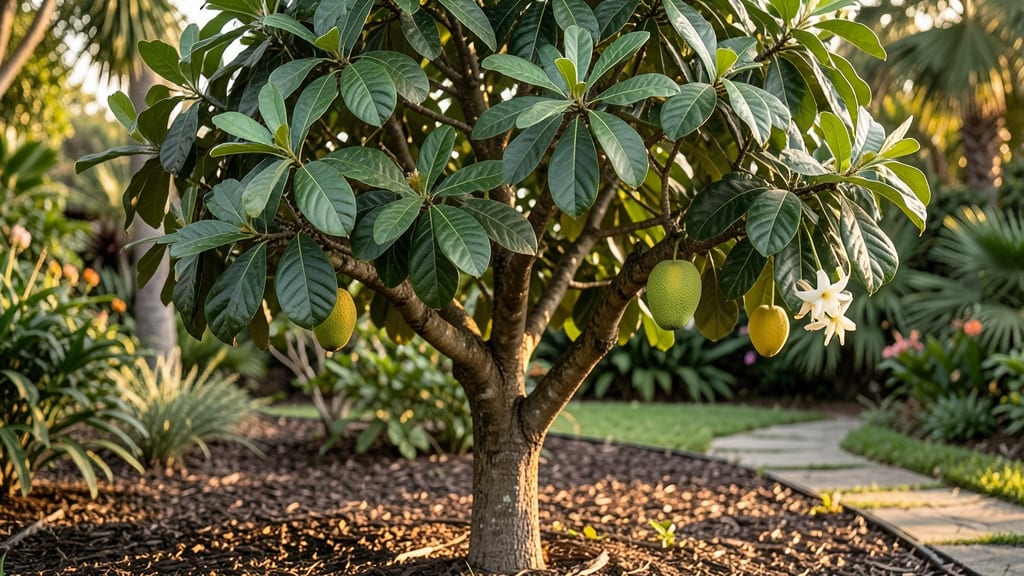
Sugar Apple Tree Size: Dwarf vs Giant Varieties—Exact Heights by Type

Pruning

Sugar Apple Tree Size: Dwarf vs Giant Varieties—Exact Heights by Type

A sugar apple tree size can swing from a compact 8 feet to a towering 25-foot giant—and picking the right variety for your space makes all the difference.

Picture this: You plant a dwarf variety in a small urban yard, only to watch it stretch toward the sky like a teenager. Or you choose a standard tree for a container garden, only to realize it needs a backyard.

The wrong choice means wasted space, pruning headaches, or even fruit you can’t reach without a ladder.

Not all sugar apple trees (Annona squamosa) are created equal. Some stay under 12 feet with careful pruning, while others shoot up like a skyscraper.

Below, I break down the exact heights by variety, how fast they grow, and the space-saving tricks that keep your tree manageable without sacrificing fruit.

You’ll learn which dwarf types thrive in pots, how to prune for controlled growth, and the one mistake that turns a manageable tree into a jungle. Let’s get your sugar apple tree the right size—before it outgrows your plans.

Dwarf
8-12 ft
Container friendly
Semi-Dwarf
12-18 ft
Most popular
Standard
15-25 ft
Full orchard size

Sugar apple tree size by variety: exact heights and growth habits

Choosing a sugar apple tree (Annona squamosa) means deciding between dwarf varieties that fit containers and giant types that need spacious yards. The right size depends on your space, climate, and whether you prioritize fruit production or ornamental appeal.

Below, I’ve broken down the mature heights, growth rates, and space requirements for 8 popular varieties to help you plan.

Most sugar apple trees reach their full height in 3–5 years, but some dwarf varieties mature faster. For example, the 'Dwarf Sugar Apple' stays under 8 feet while still producing fruit, whereas the 'Standard Sugar Apple' can tower over 20 feet.

Understanding these differences ensures you select a variety that thrives in your environment without overwhelming your garden.

Key factors to consider include:

  • Mature height: Determines if the tree fits your yard or patio
  • Spread width: Often overlooked but critical for airflow and sunlight
  • Growth rate: Fast-growing varieties may need pruning sooner
  • Container suitability: Dwarf types adapt well to pots
Variety Mature Height (ft) Spread Width (ft) Growth Rate Space Needs Best For
Dwarf Sugar Apple 6–8 ft 4–6 ft Moderate Containers, small yards Patios, urban gardens
'Sweet Gem' 8–10 ft 5–7 ft Fast Medium gardens, large pots Fruit production, ornamental
'Atemoya' (Hybrid) 10–12 ft 6–8 ft Moderate Backyards, tropical climates Large fruit yield
'Standard Sugar Apple' 15–20 ft 10–12 ft Slow to moderate Large properties, rural areas Shade trees, orchards
'Sugar Apple Compact' 8–10 ft 4–5 ft Moderate Containers, small spaces Balconies, courtyards
'Cherimoya' (Similar) 12–18 ft 8–10 ft Slow Large gardens, warm climates Ornamental, fruit
'Pineapple Sugar Apple' 10–15 ft 6–8 ft

How to choose the right sugar apple tree size for your space

Selecting the right sugar apple tree size depends on your available space, climate, and whether you prioritize fruit production or ornamental appeal. Standard varieties can reach 15-25 feet, making them ideal for large yards, while dwarf varieties stay between 8-12 feet, perfect for containers or small patios.

Your choice will impact everything from pruning needs to harvest yields.

For urban gardens or balconies, dwarf varieties like 'Nana' are game-changers—they thrive in 15-gallon containers and produce fruit just like their larger counterparts. Meanwhile, standard trees need 20+ feet of clearance and are best suited for rural properties or orchards.

Let’s break down how to match your space to the perfect variety.

🌱 Sugar Apple Tree Size Quick Guide

Variety Type Mature Height Best For
Dwarf 8–12 ft Containers, patios, small yards
Semi-Dwarf 12–18 ft Medium yards, orchards
Standard 15–25 ft Large properties, rural areas

💡 Pro Tip: Dwarf varieties need full sun and well-draining soil—just like their larger cousins!

If you’re growing sugar apples for fruit production, prioritize standard varieties—they yield more fruit per season but require regular pruning to manage their height. For ornamental purposes, dwarf varieties add tropical flair to small spaces without sacrificing fruit quality.

Just ensure your container has drainage holes and use potting mix designed for citrus or tropical plants.

Climate also plays a role: in warmer zones (USDA 10-11), sugar apple trees thrive year-round, while in cooler regions (USDA 9-10)winter frosts. Always check your local frost dates before planting—even dwarf trees can suffer damage if exposed to temperatures below 30°F.

For container gardening, choose a pot at least 24 inches deep and 30 inches wide to accommodate root growth. Repot every 2-3 years to refresh the soil, and fertilize with a balanced 10-10-10 mix every 4-6 weeks during the growing season.

Remember: overcrowding roots leads to stunted growth and fewer fruits!

Before planting, sketch your garden layout to visualize tree spacing. Standard trees need 15-20 feet between them, while dwarf varieties can be planted 8-10 feet apart.

If space is tight, consider espalier training to grow trees against a fence or trellis—this maximizes fruit production in minimal space while keeping the tree manageable.

★★★★★4.5(7 reviews)
Categories Pruning