
Pruning
How tall does a Honeycrisp apple tree grow naturally (and what affects its height?)
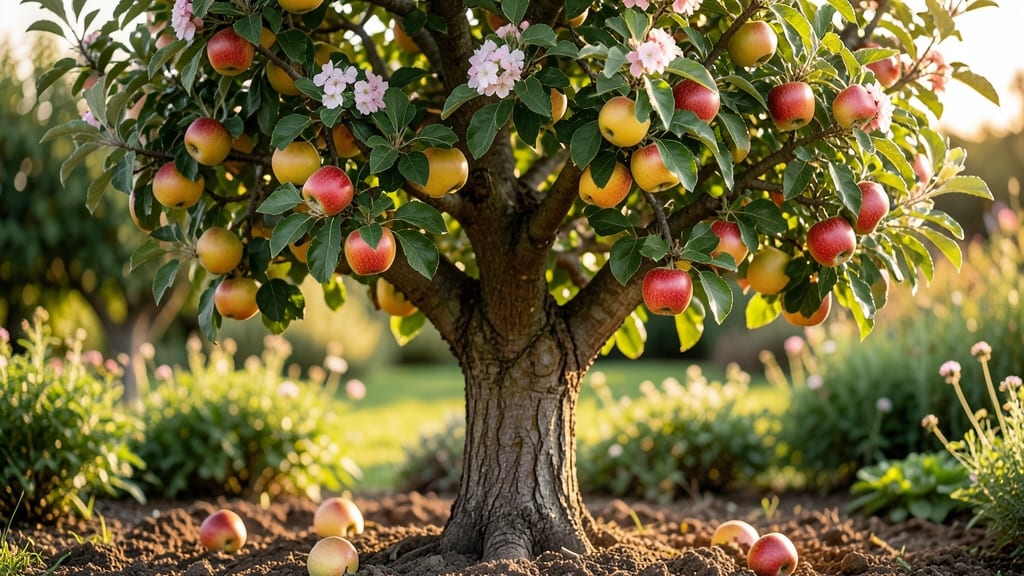
A Honeycrisp apple tree typically reaches a mature height of 15 to 25 feet when grown on standard rootstock. This makes it a medium-sized tree that can easily dominate your backyard if not properly managed.
The natural height range is influenced by several factors, including the rootstock type, growing conditions, and pruning habits.
If you're planning your garden layout, understanding these factors will help you choose the right variety and spacing. For example, a standard Honeycrisp tree can grow up to 20 feet tall with a spread of 15 feet, while dwarf varieties stay between 6 to 12 feet tall.
This height difference can dramatically change how you design your orchard or backyard space.
Here’s a quick comparison of how different rootstocks affect the height of Honeycrisp apple trees:
The rootstock you choose is one of the biggest factors in determining how tall your Honeycrisp apple tree will grow. For instance, trees grafted onto standard rootstock like MM.111 will naturally reach their full height potential, while those on dwarfing rootstock like B.9 will stay compact.
This choice directly impacts how much space you’ll need to allocate for your tree.
Another critical factor is climate and sunlight exposure. Honeycrisp apple trees thrive in full sun (6+ hours daily) and USDA Zones 3–8. In warmer climates, trees may grow taller and faster due to longer growing seasons, while cooler regions might see slower growth.
Proper sunlight exposure also affects fruit production—insufficient light can stunt growth and reduce harvests.
Soil conditions play a vital role too. Well-draining, slightly acidic soil (pH 6.0–6.5) promotes healthier root development, which in turn supports optimal height and fruit quality.
If your soil is heavy or poorly drained, consider amending it with compost or planting in raised beds to encourage stronger growth and prevent root stress.
Pruning habits also influence height. Regular pruning during the dormant season (late winter) helps control growth and shape the tree. Without pruning, a Honeycrisp apple tree can become overgrown and unmanageable, with a dense canopy that makes harvesting difficult.
On the other hand, aggressive pruning can reduce fruit production if not done correctly.
If you’re growing Honeycrisp apples in a container or small space, dwarf varieties are your best bet. These trees are ideal for patios, balconies, or even large pots, as they stay under 10 feet tall.
Just ensure the container is at least 18–24 inches deep and has good drainage to support healthy root growth.
For larger gardens, a semi-dwarf variety offers a balance between manageable size and high fruit production. These trees typically reach 10–14 feet tall and produce abundant Honeycrisp apples without requiring excessive space. They’re perfect for home orchards where you want to maximize harvest while keeping maintenance manageable.
No matter which variety you choose, always consider your garden layout and long-term goals. A well-placed Honeycrisp apple tree can become the centerpiece of your landscape, providing shade, beauty, and a delicious harvest for years to come.
🍎
Best pruning techniques to control Honeycrisp apple tree height (step-by-step guide)
Pruning your Honeycrisp apple tree isn’t just about keeping it at a manageable height of 6–10 feet—it’s about shaping its growth for better fruit production and easier maintenance. The key is timing, technique, and knowing which branches to remove.
Start by pruning during the dormant season (late winter or early spring) when the tree isn’t actively growing. This reduces stress and allows you to see the tree’s structure clearly.
Before you begin, gather your tools: a sharp pruning saw for thicker branches, bypass pruners for smaller limbs, and rubbing alcohol to sterilize cuts. Avoid pruning in wet or rainy conditions, as this can spread disease and make cuts heal slower.
Focus on removing dead, diseased, or crossing branches first—they’re the easiest to spot and the most critical to remove for long-term health.
Plan Your Pruning Goals
Decide on your target tree height (e.g., 6–8 feet for dwarf varieties). Sketch a simple diagram of your tree’s current structure, marking branches that need removal to achieve this height. Aim to remove no more than 25% of the tree’s foliage in one session to avoid stressing it.
Remove Dead or Diseased Branches
Start by cutting out any dead, broken, or diseased branches using your pruners or saw. Make cuts at a 45-degree angle, about 1/4 inch above a outward-facing bud or branch collar. This promotes faster healing and reduces the risk of infection.
Thin Out Crowded Branches
Look for branches that are rubbing against each other or growing inward. These compete for sunlight and nutrients, weakening the tree. Remove the smaller or weaker branch at its point of origin. For every 3–4 branches growing from the same point, keep only the strongest, healthiest one.
Shape the Canopy
To control height, focus on the central leader (the main upward-growing branch). If it’s too tall, cut it back by 1/3 of its length to encourage lateral branching.
For a more open canopy, prune branches that grow straight up or inward, leaving those that angle outward to form a natural open-center shape.
Encourage Fruit Production
Prune to improve air circulation by thinning branches near the center of the tree. This reduces humidity and fungal diseases like apple scab. Leave some fruit-bearing spurs (short, stubby branches) intact—they produce the majority of your Honeycrisp apples.
Clean Up and Sterilize
After pruning, remove all cuttings and debris from the area to prevent pests and diseases. Wipe your tools with rubbing alcohol to sterilize them before storing. Apply a pruning sealant (optional) to larger cuts to protect them from moisture loss and infection.
One common mistake is pruning too aggressively, which can shock the tree and reduce fruit production. Another is pruning at the wrong time—avoid heavy pruning in late summer or fall, as this can stimulate new growth that won’t harden off before winter.
Instead, opt for light summer pruning to remove only water sprouts or sucker growth.
For young Honeycrisp trees, focus on establishing a strong structure in the first 2–3 years. This sets the foundation for easier height control later. If you’re working with a mature tree, prune gradually over 2–3 years to avoid overwhelming the tree.
Always step back occasionally to assess your progress—this helps you see the tree’s shape as a whole rather than just individual branches.
With consistent pruning, your Honeycrisp apple tree will stay at a manageable height while producing juicy, sweet apples for years to come. Happy pruning! 🍎✂️