
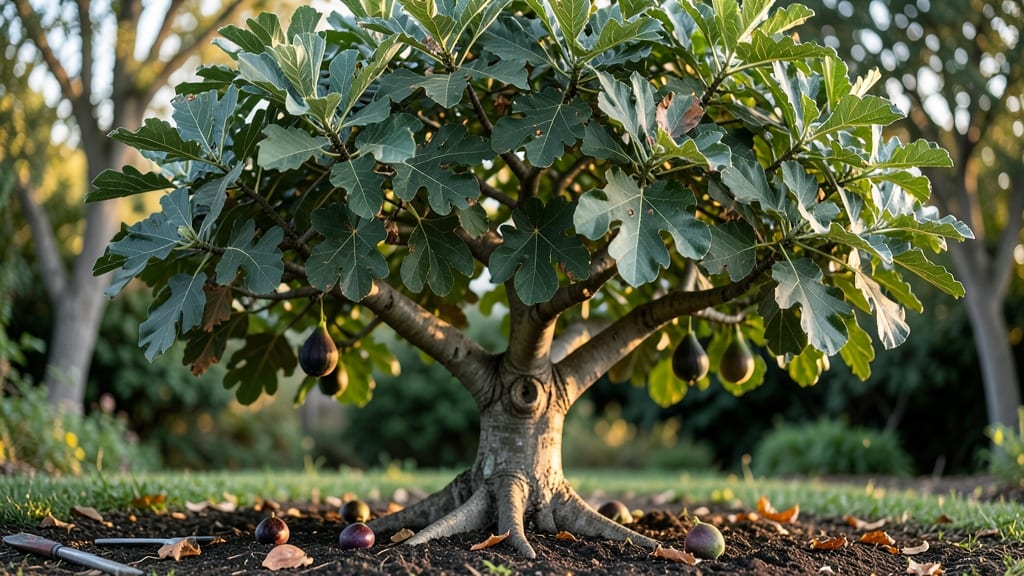
Fig Tree Height and Width: How Fast They Grow by Variety

Trees

Fig Tree Height and Width: How Fast They Grow by Variety

Fig trees vary wildly in height and width, from compact 8-foot dwarfs to towering 30-foot giants that need a yard, not a patio.

Wondering how big your fig tree will grow? From dwarf varieties that fit containers to towering giants reaching 50 feet, fig trees offer dramatic size differences—but their growth speed depends entirely on the variety you choose.

If you’re planning your garden layout, knowing these dimensions is key. A 'Brown Turkey' can sprawl 15 feet wide while a 'Little Miss Figgy' stays neatly under 6 feet, making all the difference for spacing and design.

Below, I break down 12+ varieties by mature size, growth rates, and pruning tips to keep them in check—whether you want a shade tree or a potted centerpiece.

Fig Tree Height Range
15 ftto30 ft
0 ft 3 ft 6 ft 9 ft 12 ft
🌱 Tall Tree

Fig tree height and width by variety: growth expectations at maturity

Choosing a fig tree variety isn't just about flavor—it's about planning for space. Some varieties stay compact enough for containers, while others grow into towering giants that need yard space.

Understanding these mature dimensions helps you select the perfect fig for your garden, patio, or even urban balcony.

Fig trees typically mature between 8 to 50 feet in height, depending on the variety. The width can range from 6 to 20 feet, with some spreading varieties requiring even more space.

I’ll break down the most popular varieties, their growth habits, and the ideal spacing needed for healthy development.

Below is a detailed comparison of 12+ common fig varieties, including their mature height, width, and growth rates. This will help you visualize how each variety fits into your garden layout and plan accordingly.

How fast do fig trees grow? Annual height/width increments by age

Fig trees grow at dramatically different rates depending on their age and variety. In their first year, most standard fig trees grow 2-4 feet tall, while dwarf varieties like 'Little Miss Figgy' may only reach 1-2 feet.

The growth rate accelerates as the tree matures, with established specimens often adding 3-6 feet annually in ideal conditions.

Understanding these growth patterns helps you plan your garden layout and manage expectations. For example, a 'Brown Turkey' fig tree could reach 20 feet in just 5 years with proper care, while a dwarf variety might max out at 8 feet even after a decade.

Climate, soil quality, and water availability play huge roles in these growth rates.

Here’s a quick breakdown of typical annual growth increments by age for standard fig trees:

Variety Mature Height (ft) Mature Width (ft) Growth Rate Ideal Spacing (ft) Best For
Little Miss Figgy 8-12 6-8 Slow 6-8 Containers, Patios
Celeste 10-15 8-10 Moderate 8-10 Small Gardens, Balconies
Brown Turkey 20-30 15-20 Fast 20-25 Large Yards, Landscaping
Chicago Hardy 15-25 10-15 Moderate 15-20 Cold Climates, Urban Areas
Desert King 15-20 12-15 Moderate 12-15 Drought-Tolerant Gardens
Violette de Bordeaux 12-18 10-12 Slow 10-12
Age (Years) Height Increment (ft) Width Increment (ft) Mature Height (ft) Notes
1 2-4 1-2 15-30 Slow start; focus on root establishment.
2 3-6 2-3 15-30 Faster growth; prune to shape.
3-5 4-8 3-5 15-30 Peak growth; monitor for pests.
6-10 2-4 1-2 15-30 Slower growth; focus on fruit production.
Dwarf Varieties 1-2 1-1.5 8-12 Ideal for containers; slower overall growth.

Climate plays a massive role in fig tree growth. In USDA Zones 8-11, where figs thrive year-round, trees grow 20-50% faster than in cooler zones like Zone 7.

For example, a 'Chicago Hardy' fig in Zone 8 might grow 5-7 feet annually, while the same variety in Zone 7 could only manage 2-3 feet due to winter dormancy.

Pruning also impacts growth speed. Regular heading back cuts in late winter encourage bushier growth, while selective branch removal can redirect energy to height. Over-pruning, however, can stunt growth entirely.

I recommend pruning once annually for standard varieties and lightly every 2 years for dwarfs to maintain shape without sacrificing vigor.

Soil and water are equally critical. Fig trees thrive in well-draining soil with a pH of 6.0-7.0. Sandy or loamy soils accelerate growth, while heavy clay slows it down. Water deeply once weekly during dry spells, but avoid soggy roots—overwatering can cause root rot and stunt growth.

Mulching around the base helps retain moisture and encourages steady, healthy growth.

With the right conditions, your fig tree could surprise you with rapid growth. A 3-year-old 'Celeste' fig in full sun might already be 12 feet tall and producing fruit! Monitor its progress and adjust care as needed to keep it thriving for decades.

★★★★★4.8(15 reviews)
Categories Trees