
Pruning
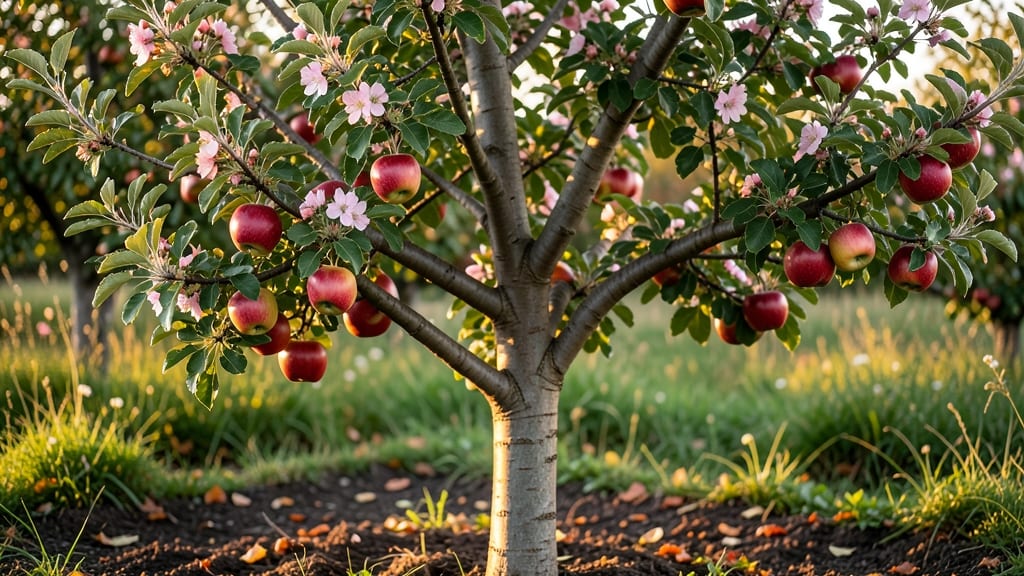
Caring for a Honeycrisp apple tree means sweet rewards—but only if you nail the basics. 🌳 This crisp, juicy variety thrives with the right balance of sun, soil, and strategic pruning, yet even experienced gardeners struggle with its finicky growth habits.
I’ve watched my Honeycrisp go from scraggly sapling to fruit-bearing powerhouse by mastering these three critical secrets: winter protection, summer watering, and spring pruning timing.
The soil needs to be well-draining (amend clay with compost) and slightly acidic (pH 6.0–6.5), while watering demands consistency—deep soakings twice a week in dry spells prevent bitter fruit. Most gardeners overlook the late-winter pruning that opens the canopy to sunlight, which is why so many trees underperform.
A sharp bypass pruner and a sunny, sheltered spot are your only real tools, but the payoff is bushels of flavor by harvest season. By mid-summer, you’ll spot the first pink blossoms turning into tiny apples—proof the tree’s happy.
The real magic happens when you thin fruit in June (leave 6 inches between apples) to avoid small, sour harvests. Pests like codling moths are the only real threat, but a row cover in spring keeps them at bay without chemicals.
This tree rewards patience: three years to first fruit, but decades of harvests if you tend it right. Here’s how to keep it thriving through every season—no green thumb required, just attention to detail.
📚 In This Guide
- What you need
- Instructions
- Tips and common mistakes
- Wrapping up and next steps
What you need
- ● Honeycrisp apple tree sapling (choose a disease-resistant variety, 1-3 years old)
- ● Well-draining soil mix (60% topsoil, 30% compost, 10% perlite or sand)
- ● 5-gallon container or hole (18–24" wide and deep for saplings)
- ● Organic mulch (3–4 inches of wood chips or straw)
- ● Balanced fertilizer (10-10-10) (1 cup per tree at planting)
- ● Bypass pruners (sharp, 7–9" for small branches)
- ● Loppers (long-handled, 18–24" for thicker branches)
- ● Pruning saw (for branches >2" in diameter)
- ● Disinfectant spray (70% isopropyl alcohol or bleach solution)
- ○ Grafting tape or pruning sealant (optional, for large cuts)
- ● Drip irrigation system or soaker hose (for consistent moisture)
- ● Watering can or hose with adjustable nozzle (for young trees)
- ● Tree stakes & ties (2–3 stakes, 6–8 ft long for support)
- ● Fungicide (copper-based or neem oil) (for disease prevention)
- ○ Fruit tree spray (optional) (to deter pests like aphids or codling moths)
How to care for a Honeycrisp apple tree year-round
Here’s the method I’ve perfected for keeping Honeycrisp trees thriving—from spring flushes to winter dormancy.
☀️ Step 1: Spring Pruning for Strong Branch Structure
Prune in late winter or early spring before buds swell, removing dead, crossing, or weak branches first. I target 30-40% of the canopy to improve airflow and sunlight penetration—this prevents fungal diseases that Honeycrisp trees are prone to. Use clean, sharp pruners to make 45-degree cuts just above outward-facing buds.
Look for suckers (vigorous shoots at the base) and remove them immediately—they drain energy from fruit production. Thin out crowded branches to leave 6-8 inches between stems for optimal growth. You’ll know you’ve done it right when you see open, airy branches by mid-spring.
💧 Step 2: Watering Deeply During Critical Growth Stages
Water deeply once a week during the first two years after planting, providing 10-15 gallons per tree to encourage deep root growth. Honeycrisp trees need consistent moisture during bloom, fruit set, and harvest—these are the three most critical periods. Check soil moisture by sticking your finger 3 inches deep; if dry, water slowly until it seeps down.
Mulch with 3-4 inches of organic mulch (like wood chips) around the base, keeping it 6 inches away from the trunk to prevent rot. This retains moisture and regulates soil temperature. Avoid overwatering—soggy soil leads to root rot, which Honeycrisp trees are particularly sensitive to.
✂️ Step 3: Summer Thinning for Larger, Higher-Quality Fruit
Thin fruit when it’s golf-ball sized (about 6-8 weeks after bloom) to leave 6-8 inches between apples. This ensures larger, sweeter Honeycrisp apples with better color and flavor. Remove misshapen, cracked, or diseased fruit first—these compete for nutrients and can spread problems. I use sterilized pruners to avoid spreading bacterial infections.
Watch for apple scab or powdery mildew (common in humid summers) and treat preventatively with copper fungicide or neem oil if you spot dark spots on leaves or white powdery growth. Healthy foliage means better fruit development—don’t skip this step if you want juicy, crisp Honeycrisp apples at harvest.
🌱 Step 4: Fall Fertilizing and Winter Protection
Apply a balanced 10-10-10 fertilizer in early fall (October) to replenish nutrients after harvest. Spread ½ cup per year of tree age (e.g., 1 cup for a 2-year-old tree) around the drip line, then water deeply to help roots absorb it. Avoid late-season nitrogen—it encourages late-season growth that’s vulnerable to frost damage.
Mound 4-6 inches of mulch around the base in late fall to insulate roots from freezing temperatures. Wrap the trunk of young trees (under 3 years old) with tree guard to protect against voles and rabbits. Prune lightly in late winter to remove any dead wood from winter storms—this keeps the tree healthy for the next growing season.
⏰ Step 5: Year-Round Pest and Disease Monitoring
Inspect leaves weekly for aphids, codling moths, or mites—Honeycrisp trees are a magnet for pests. Use row covers during bloom to prevent apple maggots from laying eggs. If you see chewed leaves or worm trails, apply organic insecticidal soap or BT (Bacillus thuringiensis) for a targeted, chemical-free solution.
Prevent fire blight (a bacterial disease that causes blackened, oozing branches) by sterilizing pruners between cuts and removing infected branches 6 inches below the damage. Healthy Honeycrisp trees produce fewer pests and diseases—so prioritize proper pruning, watering, and fertilization year-round.
Tips & tricks for perfect Honeycrisp apple tree care
These practical insights will help you maintain a Honeycrisp apple tree that thrives year-round—no guesswork required.
Pruning Precision: When you're pruning in late winter or early spring, focus on making clean cuts at a 45-degree angle just above outward-facing buds. This technique promotes faster healing and directs new growth in the right direction. I always sterilize my pruners between cuts with rubbing alcohol to prevent spreading bacterial infections like fire blight—Honeycrisp trees are particularly vulnerable to this.
Watering Wisdom: The key to deep watering is patience. Instead of quick sprinkles, water slowly until you see moisture seep down 3 inches deep into the soil. This encourages roots to grow downward rather than spreading shallowly. For young trees, aim for 10-15 gallons per week during their first two years—this establishes a strong foundation for future fruit production.
Fruit Thinning Technique: When thinning fruit to golf-ball size (about 6-8 weeks after bloom), prioritize removing misshapen or diseased apples first—they compete for nutrients and can spread problems. Leave 6-8 inches between remaining apples to give them room to grow larger and sweeter. I use sterilized pruners and work on a dry day to minimize the risk of spreading fungal spores.
Seasonal Adjustments: In fall, apply your 10-10-10 fertilizer in early October, but avoid late-season nitrogen applications. This prevents vulnerable new growth that could be damaged by frost. For winter protection, mound 4-6 inches of organic mulch around the base—just keep it 6 inches away from the trunk to prevent rot. This insulation helps maintain stable soil temperatures during cold snaps.
Pro Tips for Honeycrisp Apple Tree Care
- These practical insights will help you maintain a Honeycrisp apple tree that thrives year-round—no guesswork required.
- Pruning Precision: When you're pruning in late winter or early spring, focus on making clean cuts at a 45-degree angle just above outward-facing buds.
- Watering Wisdom: The key to deep watering is patience.
Frequently asked questions
Got questions about keeping your Honeycrisp apple tree thriving?
Here are answers to the most common concerns—from pruning to pests and everything in between!
How often should I prune a Honeycrisp apple tree?
Prune your Honeycrisp apple tree twice a year: late winter (before buds swell) for structural shaping and summer (after harvest) to remove suckers or water sprouts. Avoid heavy pruning in fall—it can invite disease. Aim for 15-25% of the canopy per year to maintain health.
When is the best time to plant a Honeycrisp apple tree?
Plant your Honeycrisp apple tree in early spring (after last frost) or fall (4-6 weeks before first frost). Avoid planting in summer heat or winter cold. Choose a spot with full sun (6+ hours/day) and well-draining soil. Pro tip: Dig a hole twice as wide as the root ball but no deeper!
What pests or diseases should I watch for in Honeycrisp apple trees?
Honeycrisp trees are susceptible to apple scab, cedar apple rust, and codling moths. Preventive care includes:
- Spraying dormant oil in late winter to kill overwintering pests.
- Using fungicides (like copper or sulfur) during wet springs.
- Setting up pheromone traps for codling moths in early summer.
Why aren’t my Honeycrisp apples ripening evenly?
Uneven ripening often stems from inconsistent sunlight or poor pollination. Ensure your tree gets 6+ hours of direct sun daily and plant a second variety (like Gala or Fuji) nearby for cross-pollination. Thin fruit early in the season to reduce competition—leave 6-8 inches between apples.
Can I grow a Honeycrisp apple tree in a container?
Yes, but it’s challenging! Honeycrisp trees need deep roots and space—choose a 15+ gallon container with drainage holes and repot every 2-3 years. Use well-draining potting mix and move the container to a sunny spot. Note: Fruit quality may suffer, and trees in containers are more prone to stress.
Wrapping up and next steps
Caring for a Honeycrisp apple tree is a rewarding journey that blends patience, precision, and passion! 🌳 With the right pruning techniques, soil prep, and seasonal attention, you’ll enjoy juicy, sweet harvests for years to come.
Whether you’re a seasoned gardener or just starting, every step—from winter pruning to summer pest checks—contributes to a thriving tree.
Now that you’re armed with year-round care secrets, it’s time to roll up your sleeves! Start by marking your calendar for pruning seasons, gather your tools, and give your Honeycrisp its best chance to flourish. Happy growing—and may your orchard be ever bountiful! 🍏✨