
Flowers
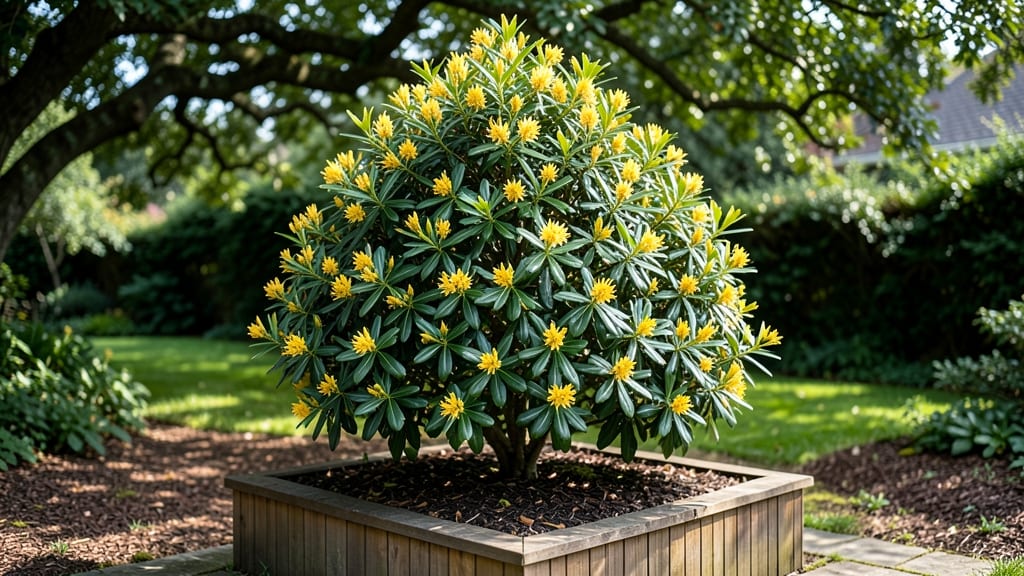
Growing a holly tree with yellow flowers means adding year-round color to your landscape—bright blooms in spring, glossy foliage all season, and striking red berries in winter. 🌿 The Ilex × 'Golden King' is my top pick for its cold-hardiness in zones 5-9 and that cheerful golden-yellow flower display that turns heads.
This holly thrives in full sun to partial shade and tolerates a range of soils, but it really shines when planted in well-draining, slightly acidic soil. The key to those abundant yellow flowers?
Consistent moisture during the growing season and a spot with at least 6 hours of sunlight daily. It’s a low-maintenance star that handles urban pollution and salt spray, making it perfect for city gardens too.
Once established, you’ll enjoy vibrant blooms in late spring, followed by glossy green leaves and clusters of bright red berries that persist through winter. The tree stays compact—typically growing 10-15 feet tall—so it fits beautifully in small yards or as a standalone specimen.
Pruning is minimal, but removing dead or crossing branches in late winter keeps the shape tidy. Watch for scale insects or spider mites, which occasionally target holly trees, but a strong spray of water usually clears them up before they cause damage.
📚 In This Guide
- What you need
- Instructions
- Tips and common mistakes
- Wrapping up and next steps
What you need
- ● Holly Tree Seedling or Sapling: 1-2 Ilex verticillata (Winterberry) or Ilex × 'Nelly R.' (Nelly R. Holly) plants with yellow berries (female varieties require a male pollinator for fruit).
- ● Size: 1-3 gallon container or bare-root for transplanting.
- ● Soil: 5-10 bags (20 lb each) of well-draining, acidic soil mix (pH 4.5-6.0).
- ○ Optional: Mix in 1 part peat moss or compost per 3 parts native soil for extra nutrients.
- ● Fertilizer: 1 bag of slow-release, acidic fertilizer (e.g., 10-10-10 or 8-3-9 with micronutrients).
- ● Alternative: Organic options like fish emulsion or cottonseed meal.
- ● Mulch: 2-3 bags (2 cu. ft. each) of pine bark or wood chips for moisture retention and acidity.
- ● 1 shovel or trowel (for digging).
- ● 1 pruning shears (sterilized with rubbing alcohol).
- ● 1 garden hose or watering can with a fine rose nozzle.
- ● 1 garden gloves (to protect from thorns and soil).
- ○ Optional but helpful: Soil pH test kit (to confirm acidity).
- ● Tree stake and ties (for young saplings in windy areas).
- ● Drip irrigation system (for consistent moisture).
- ● Location: Full sun to partial shade (6+ hours of sunlight daily).
- ● Climate Zone: USDA Zones 5-9 (cold-hardy to -30°F/-34°C).
- ● Spacing: 6-10 feet apart for mature trees (or closer for hedges).
- ● Water Source: Ready access to water for the first 2-3 weeks post-planting.
Step-by-Step guide to planting a holly tree with yellow flowers
Here's how to get those stunning yellow-blossomed hollies thriving in your yard—no green thumb required.
🌱 Step 1: Choose the Right Location and Prepare the Soil
Yellow-flowering hollies like Ilex × 'Nellie R. Stevens' or Ilex × 'Golden Glory' need full sun to partial shade (at least 6 hours of sunlight daily). I always pick a spot with morning sun and afternoon shade to prevent leaf scorch in hotter zones. These trees tolerate a range of soil types but thrive best in well-draining, slightly acidic soil (pH 5.0-6.5).
Before planting, loosen the soil to a depth of 12-18 inches with a shovel or tiller. Mix in 2-3 inches of compost from your materials list to improve drainage and fertility. Avoid heavy clay soils—amend with sand or perlite if needed. The hole should be twice as wide as the root ball but no deeper. Water the area thoroughly 24 hours before planting to help settle the soil.
🪴 Step 2: Plant the Holly Tree Correctly
Carefully remove the tree from its container and gently loosen the roots if they’re circling. Position the tree in the hole so the top of the root ball sits just above ground level—burying too deep can suffocate the roots. Place it in the center of the hole and backfill with the amended soil, tamping lightly every 4-6 inches to remove air pockets.
Water deeply right after planting to help the soil settle around the roots. You’ll know it’s right when water drains evenly without pooling. Mulch the base with 2-3 inches of organic mulch, keeping it 3-4 inches away from the trunk to prevent rot. This helps retain moisture and regulate soil temperature. I always water again after mulching to lock in hydration.
☀️ Step 3: Water and Fertilize for Strong Growth
Newly planted hollies need consistent moisture—water 1-2 times per week (more in extreme heat) until established. Check the soil 2 inches deep with your finger; if it’s dry, it’s time to water. Avoid overhead sprinkling, as wet foliage can attract pests. After 6-8 weeks, reduce watering to once a week unless the weather is unusually dry.
Apply a balanced, slow-release fertilizer (like 10-10-10) in early spring and again in mid-summer to encourage vibrant blooms. Follow the package instructions, but I usually use half the recommended dose—hollies are sensitive to over-fertilizing. Yellow-flowering varieties are particularly responsive to iron supplements if leaves turn pale. Look for yellowing between veins as a sign of deficiency.
✂️ Step 4: Prune and Maintain for Healthy Blooms
Prune your holly in late winter or early spring before new growth begins. Remove any dead, diseased, or crossing branches first, then shape the tree by cutting back to just above a bud or side branch. Avoid heavy pruning—these trees bloom on old wood, so aggressive cuts reduce next year’s flowers. I never prune more than 25% of the canopy in one season.
Watch for scale insects or spider mites, which love hollies. Treat infestations early with neem oil or insecticidal soap—I spray in early morning or evening to avoid harming pollinators. Yellow-flowering hollies are also prone to powdery mildew in humid climates. Improve airflow by thinning dense branches and watering at the base instead of overhead.
⏰ Step 5: Prepare for Winter and Long-Term Care
Yellow-flowering hollies are cold-hardy down to Zone 5, but young trees benefit from winter mulching. Add an extra 2-3 inches of mulch around the base in late fall to insulate roots. Water deeply before the first hard frost to help the tree survive dormancy. Mature trees (3+ years old) usually need no winter protection, but I still check for dry soil in early spring—hollies wake up thirsty.
Every 3-5 years, top-dress the soil with 1-2 inches of compost to replenish nutrients. These trees are slow growers, so patience pays off—yellow blooms typically appear in 3-5 years for container-grown plants, or 1-2 years for field-grown ones. If your holly isn’t flowering, it might need more sun or a light pruning to encourage new growth. I’ve found that male and female trees (if separate) must be planted nearby for berries, but yellow-flowering varieties are usually self-fertile for blooms.
Tips & tricks for perfectly thriving yellow-flowering hollies
These simple strategies will help your yellow-flowering holly grow into a stunning, low-maintenance landscape star.
Sunlight Strategy: While Step 1 mentions full sun to partial shade, I’ve found that morning sun paired with afternoon shade makes all the difference in hotter climates. This prevents leaf scorch while still giving your holly the 6 hours of sunlight it needs. If you're in Zone 8-9, consider dappled shade during peak afternoon hours—it mimics the tree's natural forest understory conditions.
Soil Prep Secret: The instructions recommend loosening soil to 12-18 inches and mixing in 2-3 inches of compost, but here's what nobody tells you: Test your soil first! If your pH is above 6.5, add sulfur or peat moss to lower it gradually. I've seen hollies struggle when planted in alkaline soil despite all other conditions being perfect. A simple $10 soil test kit from your local garden center saves months of frustration.
Planting Position: When placing your holly in Step 2, pay attention to the root flare—that's where the roots transition from the root ball to the trunk. Position it so the flare sits just above ground level (not buried). I've seen beginners bury the flare too deep, which can cause root suffocation. Think of it like planting a tree: the flare should be visible above the soil line, just like a tree growing in nature.
Watering Wisdom: The 1-2 times per week guideline in Step 3 works, but here's my pro tip: Water deeply but infrequently to encourage deep root growth. Use your finger to check 2 inches deep—if it's dry, water thoroughly until it drains from the bottom. I've found that drip irrigation set to run for 15-20 minutes twice weekly works better than sprinklers, which can promote fungal issues. The key is consistent moisture without waterlogged soil.
Pro Tips for Holly Tree With Yellow Flowers
- These simple strategies will help your yellow-flowering holly grow into a stunning, low-maintenance landscape star.
- Sunlight Strategy: While Step 1 mentions full sun to partial shade, I’ve found that morning sun paired with afternoon shade makes all the difference in hotter climates.
- Soil Prep Secret: The instructions recommend loosening soil to 12-18 inches and mixing in 2-3 inches of compost, but here's what nobody tells you: Test your soil first!
Frequently asked questions
What’s the best time to plant a holly tree with yellow flowers?
Plant your holly tree in early spring or fall when temperatures are mild (50–70°F). This gives roots time to establish before summer heat or winter frost. Avoid planting in extreme heat or cold, as stress can hinder growth. If you’re in Zones 5–9, aim for April–May or September–October for optimal success.
Can holly trees with yellow flowers survive harsh winters?
These trees are cold-hardy and thrive in Zones 5–9. However, young trees or newly planted specimens may need extra protection. Mulch the base with 3–4 inches of organic mulch (like wood chips) and water deeply before the first frost. If your area gets sub-zero temps, a burlap wrap can shield tender stems.
Why aren’t my holly tree’s yellow flowers blooming?
Yellow flower holly trees (like Ilex × ‘Nellie R. Stevens’ or Ilex verticillata ‘Sparkleberry’) may skip blooms due to poor sunlight, over-fertilizing, or stress. Ensure they get 6+ hours of sun daily and use a balanced fertilizer (10-10-10) in early spring. Prune in late winter to encourage airflow and reduce disease—never prune after flowering!
What’s a good alternative if I can’t find a yellow-flowering holly?
If yellow-flowering hollies are scarce, try these cold-hardy, flower-rich alternatives:
- Winterberry Holly (Ilex verticillata) – Red berries + yellow-green spring flowers (Zone 3–9). Female plants need a male pollinator!
- Oakleaf Holly (Ilex × ‘East Palatka’) – White spring blooms + glossy leaves (Zone 7–9). Slow-growing but dramatic.
- Fothergilla (Fothergilla gardenii) – Yellow-white spring flowers + fiery fall foliage (Zone 5–8). Not a true holly but a stunning substitute.
How do I keep pests like spider mites or scale off my holly tree?
Prevent pests with regular inspections and proper watering (drought stress attracts mites). For mild infestations, spray with neem oil or insecticidal soap. Severe cases may need systemic pesticides (like imidacloprid). Prune affected branches and dispose of them off-site to stop spread. Birds help too! They eat many holly pests naturally.
Wrapping up and next steps
Growing a holly tree with yellow flowers is a rewarding way to add vibrant color and resilience to your landscape—especially in zones 5-9! 🌸 These cold-hardy beauties thrive with minimal fuss, offering year-round interest with their striking foliage and cheerful blooms.
Whether you’re a seasoned gardener or just starting, their adaptability makes them a fantastic choice for any outdoor space.
Now that you’re equipped with the materials, tips, and answers to common questions, it’s time to roll up your sleeves and plant your own! Start by selecting the perfect spot, prep the soil, and watch your holly tree flourish. Happy gardening—your future yellow-blooming holly awaits! 🌿✨