
Propagation
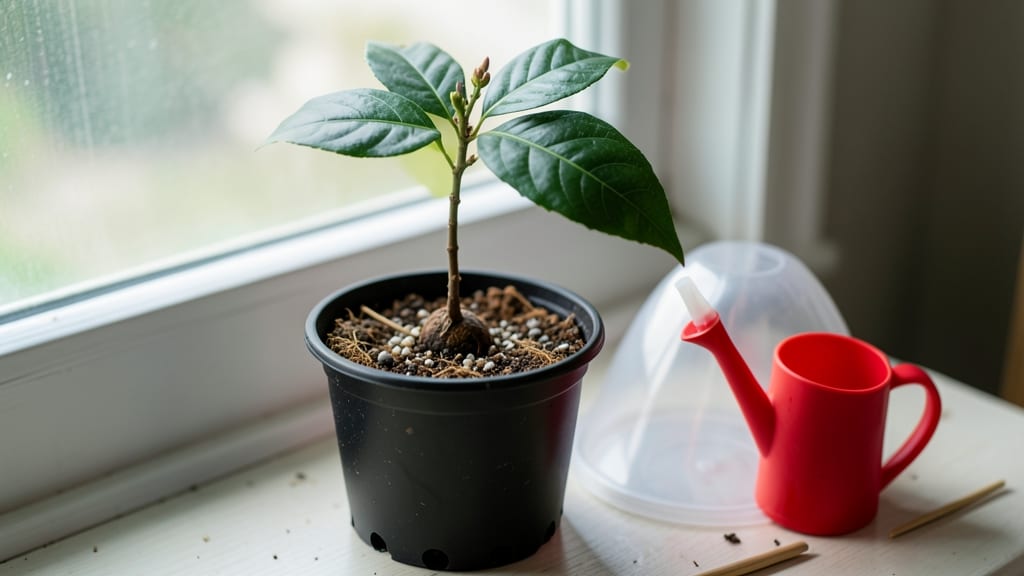
That first sweet, juicy bite of mango could come from your own growing a mango tree from a pit—starting with just a pit. 🌱 I’ve turned store-bought mangoes into thriving trees using this exact method, and by week 8, you’ll see tiny leaves pushing through the soil.
The key? Patience and a few simple tricks to break the pit’s dormancy without killing it.
You’ll need a ripe mango (the sweeter, the better), a warm spot with bright indirect light, and either a glass of water or a small pot of moist soil.
The germination process takes 4-8 weeks, but the real magic happens when those first roots appear—usually within 2-3 weeks if you’re doing it right. Most people rush this step and end up with moldy pits instead of seedlings.
By the time you’re transplanting that little sapling into a pot, you’ll already be dreaming of its first real harvest—3-5 years down the road. The smell of fresh mango blossoms in spring is worth every week of waiting.
Just don’t expect tropical fruit anytime soon; this is a long-game project for true gardeners.
Works best in USDA zones 10-11, but with the right care, you can keep it alive indoors in cooler climates. Here’s how to avoid the pitfalls that sink most first attempts—and actually grow a tree that lasts.
📚 In This Guide
- What you need
- Instructions
- Tips and common mistakes
- Wrapping up and next steps
What you need
- ● Mango pit: 1 fresh, organic pit (from a ripe, disease-free mango—avoid store-bought if treated with fungicides).
- ● Well-draining soil: 1 small pot (4–6 inches wide) filled with a mix of: 60% potting soil
- ● 30% perlite or coarse sand
- ● 10% coconut coir or peat moss
- ● Watering can or spray bottle: 1 (for gentle hydration).
- ● Plastic wrap or humidity dome: 1 (to create a mini greenhouse effect).
- ● Sunlight access: A warm, bright spot (south-facing window or grow light for 6+ hours/day).
- ● Patience: 8+ weeks (or longer for sprouting!).
- ● Seedling tray or propagator: 1 (for multiple pits or better organization).
- ○ Heating mat (optional): 1 (keeps soil warm—ideal for faster germination).
- ● Fertilizer (balanced, 10-10-10): A tiny pinch (wait until leaves appear!).
- ● Pruning shears: 1 (for trimming future growth).
- ● Label or marker: 1 (to track planting dates!).
Step-by-step instructions for growing a mango tree from a pit
Here's how to turn a grocery store pit into a thriving seedling in just 8 weeks.
🌱 Step 1: Prepare the Mango Pit for Planting
Start by cleaning the pit thoroughly—remove any remaining fruit flesh and scrub off the sticky residue with warm, soapy water. Rinse well and let it dry completely. The goal is to prevent mold, which can rot the pit before germination begins.
Place the clean pit between two paper towels and roll them up gently. Put the towel bundle in a plastic bag and seal it loosely. Store the bag in a warm, dark place like your pantry or near the fridge (not inside it). Check daily for moisture—squeeze the towels lightly; they should stay damp but not soggy. Germination typically takes 2-4 weeks at 70-80°F.
Once you see a tiny sprout breaking through the pit, it's time to move to soil. The sprout will emerge from the side of the pit, not the top—don't be alarmed if it looks uneven. This is normal for mango seeds.
🪴 Step 2: Plant the Sprouted Pit in Soil
Fill a small pot (at least 6 inches deep) with well-draining potting mix. I like to add a handful of perlite to improve drainage—mango seedlings hate soggy roots. Make a small hole in the center of the pot, about 1-2 inches deep, and place the sprouted pit inside with the sprout facing upward.
Cover the pit lightly with soil, leaving just the sprout exposed. Press down gently to secure it, but don't compact the soil too firmly. Water lightly until the soil feels evenly moist, but not waterlogged. Place the pot in a warm, bright spot with indirect light—direct sun can scorch the delicate new leaves.
Keep the soil consistently moist but never soggy. You'll know it's right when the top inch feels slightly damp to the touch. A humidity dome or plastic bag can help retain moisture while the seedling establishes roots.
☀️ Step 3: Provide Optimal Light and Care for Growth
After the first true leaves appear (usually within 2-3 weeks), gradually introduce more light. Move the pot to a south-facing window or under a grow light for 12-14 hours daily. Mango seedlings need bright light to prevent leggy growth—thin, stretched stems mean the plant isn't getting enough light.
Rotate the pot a quarter turn weekly so the seedling grows straight and sturdy. When the seedling reaches 4-6 inches tall, it's time to transplant it into a slightly larger pot (8-10 inches deep). Use the same well-draining potting mix and water thoroughly after transplanting to help it settle in.
Fertilize lightly with a balanced, water-soluble fertilizer (like 10-10-10) diluted to half strength every 4-6 weeks. Over-fertilizing can burn the young roots, so less is more at this stage. Watch for yellowing leaves—this is a sign of overwatering or nutrient imbalance.
✂️ Step 4: Prune and Harden Off for Outdoor Transition
Once your seedling has 5-6 sets of leaves, it's ready for its first pruning. Pinch off the top set of leaves to encourage bushier growth. This might seem counterintuitive, but it helps the plant develop a stronger structure. Use clean, sharp scissors and make the cut just above a leaf node.
Start hardening off the seedling 2 weeks before your last frost date. Place it outside in a sheltered, shaded spot for 1-2 hours the first day. Gradually increase outdoor time over 10-14 days, slowly introducing more sun and wind. This process helps the seedling adjust to outdoor conditions without shock.
If you live in a USDA Zone 10 or warmer, you can plant the seedling outdoors after hardening off. In colder climates, keep it in a pot and bring it indoors during winter. Mango trees are tropical and need warmth to thrive—they won't survive frost.
🌿 Step 5: Maintain and Encourage Fruit Production
Once your mango tree is established outdoors, continue to provide bright light and well-draining soil. Water deeply once a week, allowing the top 2 inches of soil to dry out between waterings. Overwatering is the #1 killer of young mango trees—always check moisture levels before watering.
Fertilize every 2-3 months with a citrus or tropical plant fertilizer to encourage fruit production. Mango trees grown from pits can take 3-5 years to bear fruit, but with patience and care, you'll eventually see those sweet, tropical rewards. Keep an eye out for pests like aphids or spider mites—treat them early with neem oil to protect your tree.
Here's the thing—mango trees grown from pits may not produce fruit identical to the parent tree. The fruit could be smaller, less sweet, or even seedless. But the journey is half the fun, and you'll have a unique, homegrown tropical tree to enjoy for years to come.
Tips & tricks for growing a mango tree from a pit
These simple strategies will help you coax a grocery store pit into a thriving tropical tree in just 8 weeks.
Germination Temperature Matters: The ideal 70-80°F range for germination is crucial—this mimics the tropical climate mango trees love. If your home runs cooler, place the bag near a warm appliance (like the fridge) but not inside it. Too cold slows germination, while too hot can cause mold. I've seen germination speed up dramatically when I move the bag to a sunny windowsill during the day, then back to warmth at night.
Soil Moisture Secret: After planting your sprouted pit, the top inch of soil should feel like a damp sponge—not wet enough to drip, not dry enough to crumble. Overwatering is the silent killer of young seedlings, so always check moisture with your finger before adding more water. A humidity dome or plastic bag creates a mini greenhouse effect, helping the seedling establish roots faster while preventing soil from drying out too quickly.
Light Transition Strategy: When moving your seedling from indirect light to bright, direct light in Step 3, do it gradually over 5-7 days. Sudden exposure can cause sunburn on delicate new leaves. Start with morning sun only, then slowly increase exposure throughout the day. If you notice leaves curling or turning yellow, it's a sign the plant needs more time to adjust. Rotating the pot weekly ensures even growth and prevents the seedling from leaning toward the light source.
Pruning Insight: That first pruning when your seedling has 5-6 sets of leaves might feel counterintuitive, but it's what transforms a leggy sapling into a sturdy tree. Make your cut just above a leaf node (the bump where leaves attach) to encourage new growth from that point. I always sanitize my scissors with rubbing alcohol before cutting to prevent introducing bacteria to the fresh wound. This simple step can double your plant's bushiness in just a few weeks.
Pro Tips for Growing A Mango Tree From A Pit
- These simple strategies will help you coax a grocery store pit into a thriving tropical tree in just 8 weeks.
- Germination Temperature Matters: The ideal 70-80°F range for germination is crucial—this mimics the tropical climate mango trees love.
- Soil Moisture Secret: After planting your sprouted pit, the top inch of soil should feel like a damp sponge—not wet enough to drip, not dry enough to crumble.
Frequently asked questions
Got questions? You’re not alone—growing a mango tree from a pit is exciting but can feel tricky! Here are answers to the most common queries to help you succeed.
How long does it take for a mango pit to sprout?
A mango pit typically sprouts within 2–4 weeks if kept moist and warm (70–85°F). Patience is key—some pits take up to 6–8 weeks. If nothing happens after 8 weeks, try a fresh pit or check moisture levels. Pro tip: Use a heat mat or sunny windowsill to speed things up!
Can I plant the pit directly in the ground?
While possible, start indoors first for better control. Direct outdoor planting works in tropical climates (Zone 10+) with year-round warmth. If you live in a cooler zone, wait until the sapling is at least 6–12 inches tall and hardened off before transplanting. Warning: Frost will kill young trees!
Will my homegrown mango tree produce fruit?
Most mango trees grown from pits won’t fruit for 5–10 years (or never, if not pollinated properly). For faster results, graft a fruiting variety onto your sapling. Bonus: Even non-fruiting trees make stunning ornamental plants!
What if my pit rots or molds?
Rot or mold means too much moisture or poor drainage. Let the pit dry slightly between waterings, and use a mix of sand or perlite in the soil. If mold appears, rinse the pit with hydrogen peroxide (3%) and replant in fresh, sterile soil. Avoid: Overwatering—keep soil damp, not soggy!
Can I grow a mango tree in a pot?
Yes! Use a 5-gallon pot minimum with drainage holes and tropical potting mix. Move it outdoors in summer (full sun) and bring it inside (bright light) in winter. Tip: Fertilize monthly with citrus/mango fertilizer for best growth. Just know: Potted trees may stay smaller and fruit less reliably.
Wrapping up and next steps
Growing a mango tree from a pit is a rewarding journey that blends patience with the joy of nurturing life.
With the right care—like proper soil, sunlight, and watering—you’ll watch your tiny pit transform into a thriving sapling in just 8 weeks. 🌱 Whether you’re a green thumb or a beginner, this process teaches resilience and the magic of nature.
Now that you’re armed with knowledge, take the next step: plant your pit today! Share your progress with fellow gardeners or even gift a sapling to a friend. Who knows? You might just grow the next tropical fruit sensation right in your backyard.