
Pruning
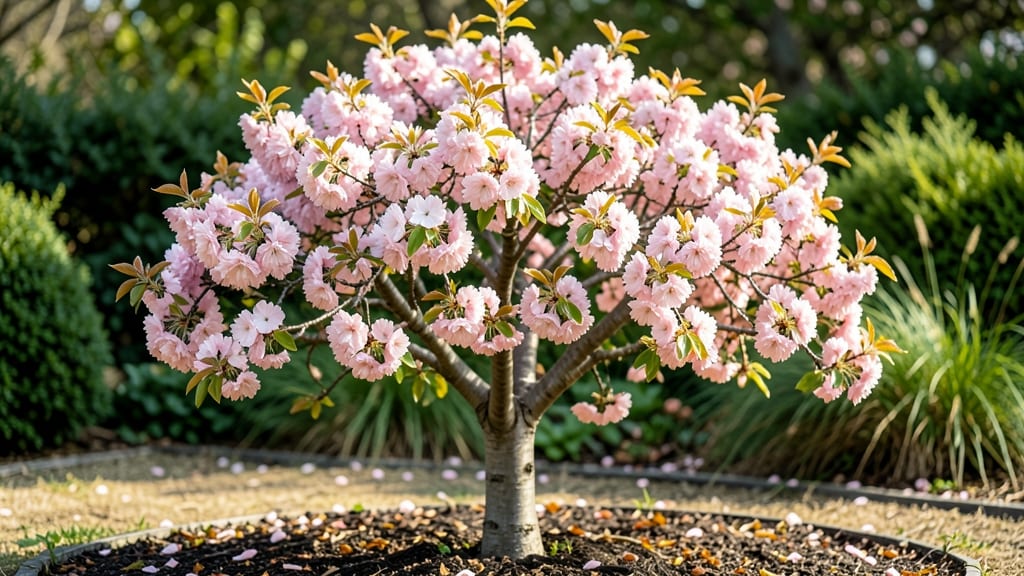
Pink flowering pear trees burst into spring with clouds of delicate blossoms that outshine any store-bought bouquet. 🌸 The secret to keeping your tree covered in those vibrant pink blooms every year starts with smart pruning—something I learned after my first tree turned into a tangled mess of branches and fewer flowers than expected.
Most gardeners focus on when to prune, but the real magic happens in how you shape the tree to encourage abundant flowering.
You'll need basic pruning tools—a sharp pair of loppers, pruning shears, and maybe a small handsaw for thicker branches—and a clear day to work. The best time to prune is late winter or early spring, just before buds swell but before new growth starts.
This timing ensures your cuts heal properly and the tree puts energy into producing those stunning pink flowers instead of repairing wounds. For variety-specific tips, 'Bradford' and 'Capital' cultivars respond best to open-center pruning that lets light reach the center branches.
By following these techniques, you'll transform your tree into a showstopper that blooms more heavily each season. The key is thinning out crowded branches to improve airflow and sunlight penetration—this isn't about making the tree smaller, but creating an open framework that supports more flowers.
You'll notice the difference in just one growing season: thicker blooms, healthier foliage, and a tree that becomes the centerpiece of your landscape every spring.
Works for both young trees and mature specimens, though the approach differs slightly. For mature trees, focus on removing water sprouts and dead wood first, then shape the outer canopy.
The same principles apply whether you're working with a small patio tree or a large landscape specimen—just scale up your tools and approach. Let's get those branches looking like a pro arborist did the work!
📚 In This Guide
- What you need
- Instructions
- Tips and common mistakes
- Wrapping up and next steps
What you need
- ● Pruning shears: Bypass pruners (sharp, clean, and not dull—aim for blank">high-quality models like Felco or Fiskars). Quantity: 1 pair.
- ● Loppers: For thicker branches (1–2 inches in diameter). Quantity: 1 pair (e.g., blank">Corona or Bahco).
- ● Pruning saw: For branches >2 inches thick. Quantity: 1 (hand saw or blank">battery-powered for ease).
- ● Disinfectant: 70% isopropyl alcohol or blank">commercial pruning sealant (e.g., blank">Trelleborg). Quantity: Small bottle.
- ● Gloves: Heavy-duty, cut-resistant (e.g., blank">Mechanix or Dr. McGill’s). Quantity: 1 pair.
- ● Safety gear: Safety glasses (to shield from debris) and long sleeves/pants (for protection).
- ● Extension pole: For high branches (e.g., blank">20-ft telescoping pole).
- ● Rubbing alcohol wipes: For quick tool cleaning between cuts.
- ● Marking twine or tape: To tag branches for removal (helpful for large trees!).
- ● Compost bin: For collecting pruned branches (great for mulch or garden beds!).
Instructions for pruning your flowering pear tree for year-round blooms
Here’s my go-to pruning method that keeps your Pyrus calleryana ‘Pink’ bursting with flowers every season.
✂️ Step 1: Time Your Pruning for Maximum Bloom
Prune your flowering pear tree late winter to early spring, right before buds swell but before they break. This timing ensures you remove last year’s growth while stimulating fresh blooms. Avoid pruning in fall—new growth won’t harden off before winter, and you’ll lose potential spring flowers.
If you missed the window, late summer is your second-best option. Just avoid pruning when buds are actively forming, or you’ll cut off next year’s blossoms. Watch for swollen buds—they’re your signal to hold off.
🌿 Step 2: Remove Dead, Diseased, or Crossing Branches First
Start by eliminating any dead, broken, or diseased branches—they sap energy from healthy growth. Cut back to the branch collar (the swollen area where the branch meets the trunk) using clean, sharp pruners. Never leave stubs; they invite rot and pests.
Next, remove branches that cross or rub against each other. These create wounds that weaken the tree and reduce flowering potential. Look for branches growing inward—they’re hidden from sunlight and won’t bloom well anyway.
✂️ Step 3: Thin the Canopy for Better Airflow and Light
Step back and assess the tree’s shape. Aim for an open, vase-like form with branches spaced 8-12 inches apart. Thin out crowded areas by cutting branches back to their origin point, but never remove more than 25% of the canopy in one season—this prevents shock.
Focus on removing branches that grow straight up or downward. These rarely flower well and create a dense, shaded interior. You’ll know you’ve done it right when sunlight reaches the inner branches and the tree’s silhouette looks balanced from all sides.
☀️ Step 4: Shape for Optimal Bloom Display
Encourage outward growth by pruning branches that grow too tightly against the trunk. Cut just outside the branch collar at a 45-degree angle to promote faster healing. For horizontal branches, shorten them slightly to reduce weight and encourage more blooms along their length.
Leave some vertical branches if they’re strong and healthy—they’ll support future growth. Avoid heavy pruning on young trees; focus on shaping as the tree matures. A well-shaped tree blooms more evenly and stays healthier longer.
⏰ Step 5: Clean Up and Monitor for New Growth
After pruning, sterilize your tools with rubbing alcohol to prevent disease spread. Rake up and dispose of all debris—this removes hiding spots for pests and reduces fungal spores. Water the base of the tree deeply to help it recover.
Watch for new shoots emerging within 4-6 weeks. These indicate successful pruning. If you see sparse regrowth, you may have pruned too aggressively—next time, remove less foliage. A lightly pruned tree blooms more reliably year after year.
Tips & tricks for pruning your flowering pear tree
These simple strategies will help you prune like a pro and keep your 'Pink' pear tree blooming beautifully every season.
Timing is Everything: The late winter to early spring window is your best bet for pruning—this is when your tree is still dormant but ready to burst into growth. If you miss this window, late summer works too, but avoid pruning when buds are actively forming. I learned this the hard way after accidentally cutting off next year's blossoms by pruning too late in spring. Watch for those swollen buds—they're your tree's way of saying "hold off!"
Tool Prep Matters: Always sterilize your pruners with rubbing alcohol before and after use—this prevents spreading disease between cuts. I also recommend using sharp, clean tools to make precise cuts at the branch collar. Dull blades can crush the bark and create wounds that take longer to heal. For larger branches, consider using loppers or a pruning saw to avoid tearing the bark.
Shape with Purpose: When thinning the canopy, aim for an open, vase-like shape with branches spaced about 8-12 inches apart. This spacing allows sunlight to reach all parts of the tree, which is crucial for those stunning pink blooms. I like to visualize the tree's silhouette from all sides—if it looks too dense or lopsided, that's your cue to make some adjustments. Remember, you're not just pruning for looks; you're creating an environment where your tree can thrive and produce abundant flowers.
Monitor for Success: After pruning, keep an eye out for new shoots emerging within 4-6 weeks. These are a great sign that your tree is recovering well. If you notice sparse regrowth, you might have pruned too aggressively. Next time, aim to remove less foliage—your goal is to maintain the tree's health while encouraging those beautiful blooms. A lightly pruned tree tends to bloom more reliably year after year.
Pro Tips for Flowering Pear Tree Pink
- These simple strategies will help you prune like a pro and keep your 'Pink' pear tree blooming beautifully every season.
- Timing is Everything: The late winter to early spring window is your best bet for pruning—this is when your tree is still dormant but ready to burst into growth.
- Tool Prep Matters: Always sterilize your pruners with rubbing alcohol before and after use—this prevents spreading disease between cuts.
Frequently asked questions
Got questions about keeping your flowering pear tree pink blooming beautifully? Here are answers to the most common ones—so you can prune with confidence and enjoy year-round color!
When is the best time to prune a flowering pear tree for pink blooms?
The ideal window is late winter or early spring (just before buds swell), but avoid pruning after mid-summer—this can reduce next year’s flowers. Light shaping in fall is fine, but heavy cuts should wait until dormancy. Pro tip: If you prune too late, you might sacrifice spring blooms!
How much can I trim back my flowering pear tree without harming it?
You can safely remove up to 25% of the tree’s branches per year, but avoid over-pruning. Focus on dead, crossing, or overcrowded branches first. For thick limbs, make clean cuts just outside the branch collar. Warning: Never remove more than 1/3 of the canopy in one go—this stresses the tree!
Why isn’t my flowering pear tree blooming as much as it used to?
Common culprits include over-pruning, nutrient deficiency, or poor sunlight. Check for thinning canopies (too many leaves block light) and ensure it gets 6+ hours of sun daily. Feed with balanced fertilizer in early spring and avoid heavy nitrogen—it promotes leaves over flowers!
Can I prune a flowering pear tree in fall for spring blooms?
Light pruning in late fall (after leaves drop but before hard frost) is okay, but avoid heavy cuts. Fall pruning can stimulate new growth that won’t harden off before winter, leaving branches vulnerable to cold damage. If you must prune, stick to structural adjustments and skip flower bud removal.
Are there alternatives to flowering pear trees for pink blooms?
Yes! Consider Japanese flowering cherry (Prunus serrulata ‘Kanzan’) or crabapple varieties like ‘Royalty’ for similar pink blooms with less aggressive growth. Hawthorn trees (e.g., ‘Crimson Cloud’) also offer stunning pink flowers and are low-maintenance. Bonus: These options often require less pruning than pears!
Wrapping up and next steps
Your flowering pear tree pink is now primed for year-round beauty—thanks to proper pruning! By following these steps, you’ve ensured healthier growth, stunning blooms, and a well-shaped tree. Remember, consistency is key: a little care each season keeps your tree thriving and vibrant.
Ready to take the next step? Plan your pruning schedule—mark those seasonal reminders and enjoy the rewards of your hard work! 🌸 With patience and practice, your tree will become the star of your garden for years to come.