
Trees
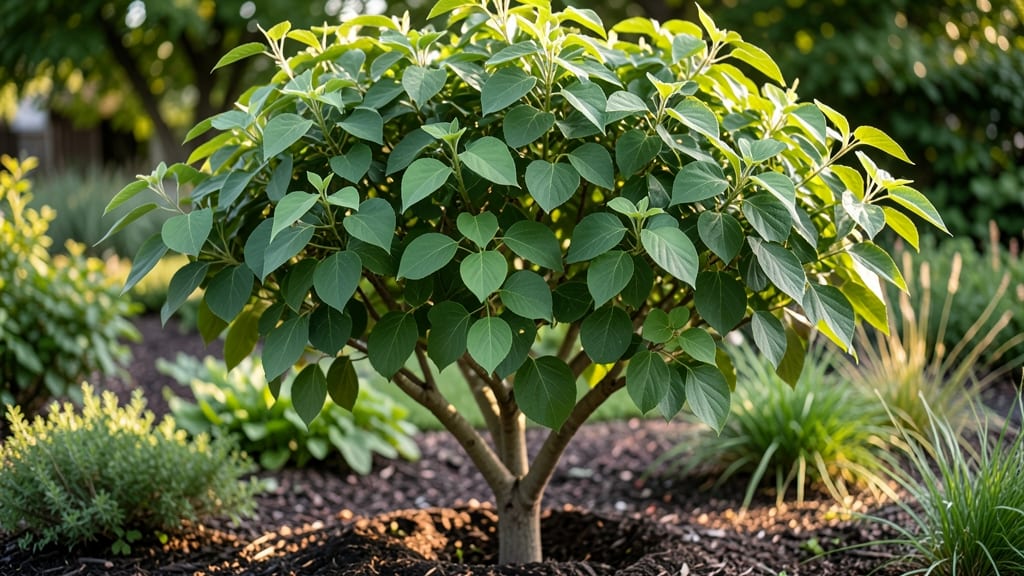
The common lilac tree’s leaves aren’t just pretty—they’re a versatile resource for tea, natural dyes, and even pruning strategies. 🌿 Before you harvest or prune, though, it’s crucial to spot signs of stress like yellowing, browning, or spots, which often signal fungal diseases or pests.
I’ve turned my lilac’s leaves into fragrant herbal tea and vibrant purple dye, but only after ensuring the plant stayed healthy through proper care.
Start by inspecting leaves for powdery mildew (white powdery patches) or bacterial leaf spot (dark spots with yellow halos). Prune affected branches in late winter or early spring to improve airflow, and avoid harvesting leaves from diseased plants.
For a foolproof harvest, wait until late spring after the tree finishes blooming—this ensures the leaves are fully mature but not yet stressed by summer heat.
📚 In This Guide
- What you need
- Instructions
- Tips and common mistakes
- Wrapping up and next steps
What you need
- ● Fresh lilac leaves: Harvest from Syringa vulgaris (common lilac) trees in early summer when leaves are fully mature but before they flower heavily. Aim for 1–2 cups (dry measure) per batch for tea or dyeing.
- ● Pruning shears or sharp scissors: Bypass pruners (for clean cuts) or small garden shears (for larger branches). Ensure they’re sterilized to avoid spreading disease.
- ○ Gloves (optional but recommended): Lightweight gardening gloves to protect against thorns or sap irritation.
- ● Clean containers: 2–3 stainless steel or glass bowls (for sorting, rinsing, and drying leaves). Avoid plastic if drying for long-term storage.
- ● Water source: 1 gallon of filtered or rainwater for rinsing leaves (chlorinated tap water can leave residues).
- ● Drying rack or mesh screen: A wire cooling rack, or an old window screen laid over a wooden frame. Ensure it’s in a shady, well-ventilated area.
- ● Air-tight storage containers: Small glass jars with lids (e.g., mason jars) for storing dried leaves. 1–2 jars per harvest.
- ● Mordant (for dyeing): Alum (1 tbsp per quart of water) or vinegar (1 cup white vinegar per quart of water) to set natural pigments.
- ● Mortar and pestle: For crushing dried leaves into a fine powder (great for lilac leaf tea blends or homemade skincare).
- ● pH strips: To test water hardness if dyeing fabrics for consistent results.
- ● Labeling supplies: Masking tape + markers to label jars with harvest dates and uses.
- ● Positive ID: Confirm leaves are from a non-toxic lilac tree (avoid Russian olive or privet, which are look-alikes but unsafe). Use a field guide or app like iNaturalist.
- ● Timing: Harvest leaves on a dry, sunny morning after dew has evaporated to prevent mold.
- ● Sustainability: Never take more than 1/3 of the leaves from a single tree to avoid stressing it.
- ● Allergies: Test a small patch of skin if using lilac leaves for dyeing or topical applications.
Step-by-step guide to harvesting common lilac leaves
Here’s how I gather the best leaves for tea, dyes, or pruning—without harming your tree.
☀️ Step 1: Time Your Harvest for Peak Flavor and Health
Harvest lilac leaves in late spring to early summer, just as the flowers begin to bloom. This is when their essential oils are strongest and the leaves are tender but fully developed. Avoid harvesting after flowering—the leaves become tougher and less aromatic. Early morning is ideal because the leaves are still hydrated from the night’s dew.
Check the leaves for pests or disease before harvesting. Look for small holes, yellowing, or sticky residue—these are signs of spider mites or aphids. If you spot damage, treat the tree first with neem oil or insecticidal soap before proceeding. Healthy leaves make the best tea and dye, so don’t skip this step.
✂️ Step 2: Prune Selectively for Sustainable Harvesting
Use clean, sharp pruning shears to trim leaves from the outer branches first. Never remove more than one-third of the foliage in a single season—this keeps the tree healthy and encourages new growth. Focus on leaves from the lower third of the tree to avoid over-stressing the canopy.
Cut just above a leaf node (the small bump where leaves attach) to promote bushier growth. Avoid cutting into woody stems—this can damage the plant. If you’re harvesting for tea, pick young, light green leaves near the tips of branches. For dye, mature leaves work best, but they should still be flexible, not brittle.
🌿 Step 3: Process Leaves for Tea or Dye Immediately
For tea, strip the leaves from their stems and spread them on a clean, dry surface in a single layer. Let them dry in indirect sunlight for 3-5 days, stirring occasionally to ensure even drying. Over-drying can turn leaves bitter, while under-drying may encourage mold. Store dried leaves in an airtight container away from light.
For dye, fresh or dried leaves work, but fresh yields deeper colors. Simmer 1 cup of leaves in 4 cups of water for 30-45 minutes to extract pigments. Strain through a fine mesh or cheesecloth, then use the liquid immediately or store in the fridge for up to 5 days. Lilac leaves produce soft lavender or gray hues, perfect for fabric or paper.
🪴 Step 4: Maintain Your Lilac Tree After Harvesting
After harvesting, water the tree deeply to replenish moisture lost during pruning. Lilacs thrive in well-draining soil with moderate watering—overwatering can lead to root rot. Mulch around the base with 2-3 inches of organic mulch (like wood chips) to retain moisture and protect roots from temperature swings.
Fertilize lightly in early spring with a balanced, slow-release fertilizer (like 10-10-10) to support new growth. Avoid heavy fertilizers—they can make leaves less aromatic. Prune again in late summer to shape the tree and remove any dead or diseased branches. This keeps your lilac lush and productive for years.
Tips & tricks for perfect lilac leaf harvesting
These little details make all the difference between good harvests and great ones—trust me, I’ve learned the hard way.
Timing Secret: The early morning window is non-negotiable for peak flavor. Dew-covered leaves contain the highest concentration of essential oils, which evaporate quickly after sunrise. If you must harvest later, do it in the coolest part of the day—midday sun can make leaves bitter and tough. I’ve seen this firsthand when harvesting too late and ending up with leaves that tasted dull compared to my morning batches.
Selection Tip: Look for leaves that are vibrant green with no brown edges or spots—these are your best candidates. For tea, prioritize the younger, lighter green leaves near the branch tips; they’re more tender and delicate. For dye, mature leaves work best but should still bend without cracking. I always do a quick flexibility test by gently bending a leaf—if it snaps, it’s past its prime.
Processing Hack: When drying leaves for tea, place a small fan nearby to create gentle airflow. This speeds up the 3-5 day process to about 2-3 days while preventing mold. Just make sure the airflow isn’t too strong—you don’t want to dry them out too quickly, which can make them brittle. I use a small USB fan on low setting with great results.
Dye Extraction: For deeper dye colors, crush the leaves slightly before simmering. This releases more pigments into the water. I like to use the back of a wooden spoon to gently bruise the leaves in the pot before adding water. Also, add a splash of white vinegar (about 1 tablespoon) to the simmering liquid—it helps set the color and makes the hues more vibrant and long-lasting on fabric.
Pro Tips for Common Lilac Tree Leaves
- These little details make all the difference between good harvests and great ones—trust me, I’ve learned the hard way.
- Timing Secret: The early morning window is non-negotiable for peak flavor.
- Selection Tip: Look for leaves that are vibrant green with no brown edges or spots—these are your best candidates.
Frequently asked questions
Got questions about harvesting, using, or caring for common lilac tree leaves? You’re not alone! Here are some of the most common queries—plus straightforward answers to help you get the most out of your lilac leaves.
When is the best time to harvest lilac leaves for tea?
The ideal time to pick lilac leaves is just before the flowers bloom in spring—typically late April to early May. This ensures the highest concentration of flavor and beneficial compounds. Avoid harvesting after flowering, as the leaves can become bitter or tough. Pro tip: Morning harvests yield fresher leaves with more essential oils!
Are lilac leaves toxic to pets or humans if consumed in large amounts?
While lilac leaves are generally safe for humans in moderation (used in teas or culinary dishes), they contain cyanogenic glycosides, which can be harmful if ingested in very large quantities. For pets, lilac leaves and stems are considered toxic—especially to dogs and cats—so keep them out of reach. Stick to small, culinary portions for safety!
Can I use dried lilac leaves for natural dyes instead of fresh?
Dried lilac leaves work well for dyes, though fresh leaves produce more vibrant colors (typically soft lavenders or grays). To dry them, tie small bundles with twine and hang upside down in a dark, well-ventilated space for 1–2 weeks. For dyeing fabric, simmer dried leaves in water for 30–60 minutes, then strain and use the liquid as a mordant with vinegar or alum.
How much should I prune a lilac tree to encourage leaf growth?
Prune your lilac tree right after flowering (late spring/early summer) to shape it and promote new growth. Remove no more than 1/3 of the plant at a time—focus on cutting back old wood to encourage fresh, leafy shoots. Avoid heavy pruning in fall or winter, as lilacs bloom on old wood, and aggressive cuts can reduce next year’s flowers.
What’s the simplest way to store harvested lilac leaves for later use?
Store fresh lilac leaves in an airtight container lined with paper towels to absorb moisture, then refrigerate for up to 5 days. For long-term storage, dry them thoroughly (as mentioned above) and keep in a sealed jar away from light. Freezing leaves in ice cube trays with water (for tea cubes) is another handy trick—just thaw and steep as needed!
Wrapping up and next steps
From harvesting fragrant lilac leaves for tea to crafting natural dyes or simply pruning your tree, you now have the tools to make the most of this versatile plant! 🌿 Whether you're a gardening enthusiast or a DIY crafter, lilac leaves offer a world of possibilities—just remember to harvest sustainably and respect your tree’s health.
Ready to put your new knowledge into action?
💡 Next step: Grab your pruners, pick a sunny day, and start experimenting—whether it’s brewing a cup of lilac tea or turning leaves into vibrant dyes. Happy gardening! 🌸