
How To
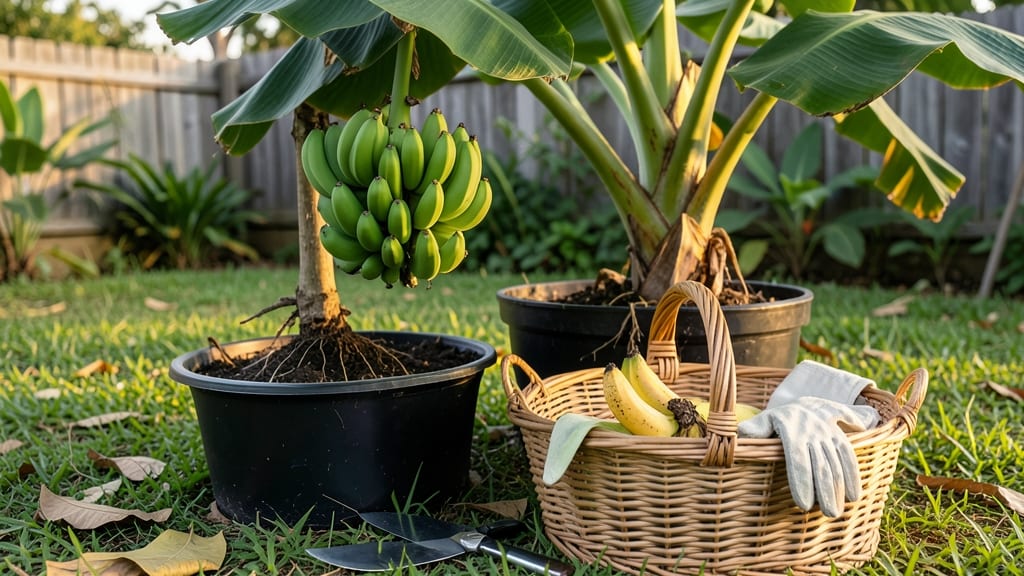
Picking Florida banana trees 🍌 at the right time means sweet, creamy fruit—not the starchy, mealy disappointment that ruins a smoothie or pancake.
You might think color is the only clue, but Florida’s warm winters and year-round growing season throw off the usual ripeness rules. A banana’s firmness and the way it tugs from the stem are the real secrets to perfect timing.
In this guide, I’ll walk you through the exact cues to watch for—from the telltale thumb test to the color shifts that matter most in Florida’s climate—and when to avoid the common mistakes that turn ripe fruit into a flavor disaster.
By the end, you’ll know exactly when to harvest, how to store your bananas post-pick, and why waiting just a few days longer can make all the difference in taste.
How to test banana ripeness using finger pressure & color changes
Harvesting bananas at the perfect moment transforms your Florida banana tree into a sweet, flavorful treasure. Unlike grocery store bananas, homegrown varieties ripen on the tree—and knowing the exact signs to watch for ensures you never miss peak ripeness.
Florida’s warm climate means bananas can ripen year-round, but these tactile and visual cues remain consistent regardless of season.
Start with the thumb test, the most reliable method for Florida growers. Press your thumb gently against the banana’s skin near the stem. If it feels slightly soft but still firm (like a ripe avocado), it’s ready.
A hard, green banana needs more time, while an overly mushy one is past its prime. This tactile check works best in Florida’s heat, where bananas ripen faster than in cooler climates.
Next, examine the stem color where the banana attaches to the tree. A ripe banana will show a dry, brown spot at the stem base, indicating the fruit is detaching naturally.
If the stem remains green and firm, the banana isn’t ready yet. In Florida’s humidity, stems can stay green longer, so combine this cue with the thumb test for accuracy.
Now, observe the banana’s skin color. Most varieties turn from bright green to pale yellow when ripe, but some Florida-friendly types (like Dwarf Cavendish) may stay yellow-green. Avoid waiting for full yellow—overripe bananas develop brown spots and ferment quickly in Florida’s heat.
Here’s how Florida’s climate affects ripening: Higher temperatures speed up the process, so bananas may ripen in 5-7 days during summer, while cooler winter months (though rare in Florida) can extend ripening to 10-14 days. Always harvest in the morning when temperatures are cooler to preserve sweetness.
For Dwarf Cavendish varieties (popular in Florida), watch for small brown specks on the skin—these indicate the fruit is nearly ripe. Twist the banana gently to test readiness; if it separates easily from the stem, it’s time to pick.
In Florida’s USDA zones 9b-11, you can harvest bananas year-round, but spring and summer yields are largest.
Pro tip: Harvest in clusters rather than individually to avoid damaging the tree. Use a sharp knife to cut the hand of bananas (the cluster) from the stem, leaving a 1-inch stub.
This method prevents disease entry points and encourages future fruiting. Store harvested bananas in a cool, shaded spot (like a garage) to slow ripening if you can’t eat them immediately.
If you’re growing red or plantain varieties, ripeness cues differ slightly. Red bananas may develop pink or red blushes before turning yellow, while plantains stay green until fully ripe. Always rely on the thumb test as your primary guide, as color can vary widely among Florida-grown types.
Remember, Florida’s humidity and heat accelerate ripening, so check your bananas every 2-3 days during peak growing seasons (spring and summer). Overripe bananas in Florida’s climate can ferment within 24 hours, so timing is everything. With these cues, you’ll never miss the sweet spot again!
Best time of year to harvest bananas in Florida’s climate zones
Florida’s banana trees produce fruit year-round, but the best harvest windows shift between North Florida (zones 8b-9a) and Central/South Florida (zones 10a-11). Cooler North Florida winters slow fruit development, while Central/South Florida’s warm climate keeps trees productive year-long. Understanding these regional differences helps you time harvests for peak sweetness.
In North Florida, bananas typically peak in late spring (April-May) and early summer (June-July), when temperatures rise above 70°F consistently. The hurricane season (June-November) can delay harvests if storms damage flowering bunches, so monitor weather forecasts closely.
Meanwhile, Central/South Florida enjoys year-round harvests, with the most abundant crops appearing in fall (September-November) and winter (December-February).
- Primary Harvest: April-July
- Secondary Harvest: September-October
- Temperature Impact: Below 60°F slows ripening
- Hurricane Risk: June-November delays
- Primary Harvest: September-November
- Secondary Harvest: December-February
- Temperature Impact: Ideal 75-85°F year-round
- Hurricane Risk: June-November may damage fruit
- Finger Test: Gently press—fruit should yield slightly
- Color Shift: Green to yellow (or yellow-green for varieties like Dwarf Cavendish)
- Stem Check: Dried brown stem near fruit = ready
- Avoid Overripe: Black spots or fermented smell
Temperature fluctuations play a critical role in Florida banana harvests. In North Florida, winter chills below 50°F can stunt fruit development, while summer heatwaves above 95°F may cause premature ripening.
In Central/South Florida, consistent warmth speeds up growth, but prolonged dry spells can stress trees and reduce yield. Always water deeply during dry periods to maintain fruit quality.
Hurricane season (June-November) adds another layer of complexity. Storms can shatter bunches or strip leaves, delaying harvests by weeks. If a storm is forecasted, harvest ripe bananas early to avoid loss.
After a storm, inspect trees for damaged hands (clusters) and remove any bruised or moldy fruit immediately to prevent spread.
To maximize your harvest, prune spent flower stalks after picking and fertilize lightly in spring (use a 6-6-6 or 8-3-9 blend) to encourage new growth. In North Florida, focus on spring and fall harvests, while Central/South Florida gardeners can enjoy continuous picking with proper care.
Always pick bananas in the morning when temperatures are cooler to preserve sweetness.
Remember, Florida’s banana trees are tropical plants—they thrive on consistency. Whether you’re in Panama City or Miami, monitor fruit development weekly and adjust for local climate quirks. With the right timing, you’ll enjoy homegrown bananas that rival grocery store perfection—without the mealy texture of overripe store-bought fruit. 🍌