
Pruning
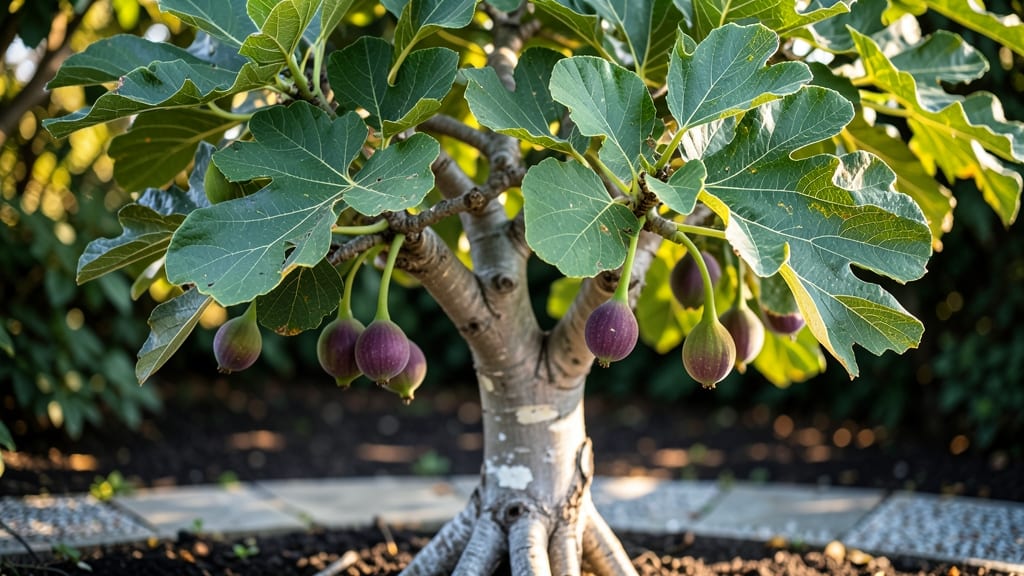
Fig trees thrive best in warm climates within USDA hardiness zones 7 through 11, where they enjoy full sun and well-draining soil. While they can handle brief cold periods, temperatures dropping below 20°F (-6°C) often cause damage, requiring protective measures in colder areas.
Fig trees are sun-loving Mediterranean natives that crave warmth, making zones 7-11 their sweet spot. 🌞 The key to success lies in mimicking their natural habitat—think hot summers, mild winters, and soil that drains quickly to prevent root rot.
I've seen Mediterranean varieties like 'Brown Turkey' push their limits in zone 6 with heavy mulching, but even then, they'll need winter wraps to survive. The secret weapon for colder climates? Microclimates—plant near south-facing walls or use black plastic mulch to trap heat.
Don't let the hardiness zones fool you—fig trees are surprisingly adaptable once you understand their needs. While they'll produce fruit in cooler zones, their growth rate and fruit quality peak in zones 9-11 where temperatures stay consistently warm.
The 20°F threshold is crucial because that's when cell damage becomes irreversible. I always recommend testing your local microclimate by planting in containers first—this gives you flexibility to move trees indoors during harsh winters.
💡 In This Article
- Fig Tree Hardiness Zones Explained
- Creating Ideal Growing Conditions for Fig Trees
Fig tree hardiness zones explained
Fig trees originated in the Mediterranean and Western Asia, where they evolved to thrive in USDA hardiness zones 7 through 11.
These zones represent areas with average minimum winter temperatures ranging from 0°F to 40°F (-18°C to 4°C), but fig trees have specific temperature thresholds that determine their survival and productivity. The critical factor isn't just the zone number but how cold temperatures drop during winter months.
For example, zone 7's average minimum is 0°F (-18°C), but fig trees typically start showing damage when temperatures fall below 20°F (-6°C) for more than a few hours.
The damage threshold varies by variety. Common figs (like 'Brown Turkey') are slightly hardier, often surviving brief dips to 15°F (-9°C), while Mediterranean varieties (such as 'Celeste' or 'Violette de Bordeaux') are more sensitive, suffering damage above 25°F (-4°C).
This is because Mediterranean figs have thinner bark and less cold-resistant cellular structures. What's fascinating is how fig trees respond to cold: their leaves turn brown and drop, but the tree itself can remain dormant until spring.
However, prolonged exposure to freezing temperatures causes irreversible cell rupture in the trunk and branches, leading to dieback or death.
Microclimates play a crucial role in extending fig tree viability beyond their official hardiness zones. Urban areas often experience urban heat islands, where pavement and buildings trap heat, creating pockets that are 5-10°F (3-6°C) warmer than surrounding rural areas.
I've seen fig trees thrive in zone 6 gardens when planted against south-facing brick walls, which absorb sunlight during the day and radiate heat at night. Similarly, container-growing figs can be moved to protected locations during winter, adding an extra 5-10°F (3-6°C) of insulation.
These microclimate advantages explain why some gardeners in colder zones achieve success with fig trees where others fail.
Cold snaps are particularly dangerous because fig trees lack the protective mechanisms of deciduous trees. Unlike fruit trees that go dormant in winter, figs remain semi-active until temperatures drop. A sudden freeze can cause internal ice formation in the vascular system, disrupting water transport and leading to branch dieback.
This is why gradual temperature drops (like those in coastal zones) are often more survivable than rapid freezes.
For instance, San Francisco's coastal zone 9 experiences mild winters with rare freezes, while inland areas just 20 miles away in zone 8 can have sudden drops below 25°F (-4°C), making fig cultivation riskier.
Here's what happens at different temperature thresholds:
- Above 20°F (-6°C): Fig trees remain dormant but undamaged. Leaves may stay brown but the tree survives.
- 15-20°F (-9°C to -6°C): Common fig varieties may survive brief exposure, but Mediterranean types suffer bark damage.
- Below 15°F (-9°C): Irreversible cell damage occurs in most varieties, leading to trunk cracks or branch death.
- Below 10°F (-12°C): Complete tree death is likely unless protected with heavy mulch or insulation.
The key takeaway is that fig trees are more about temperature consistency than absolute zone numbers. A zone 8 garden with stable winters above 20°F (-6°C) can grow figs successfully, while a zone 7 garden with frequent dips below 15°F (-9°C) will struggle unless protective measures are taken.
Understanding these nuances helps gardeners push the limits of fig cultivation in their specific climate conditions. 🌡️