
Pruning
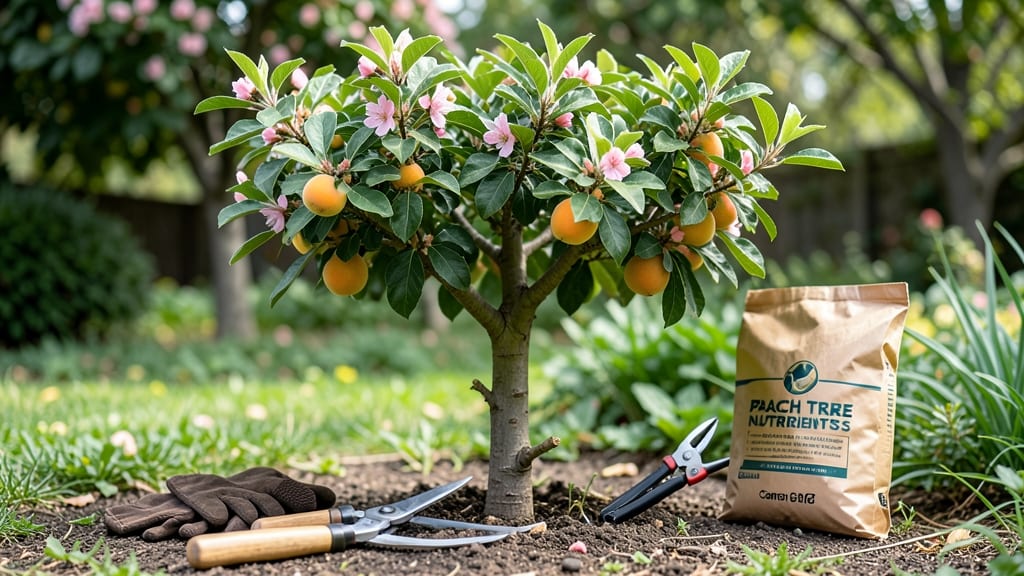
To maximize fruit production in Family Tree Donut peaches, prune by removing dead branches, thinning crowded limbs, and shaping the tree for better airflow. Always prune during dormancy and avoid heavy cuts while the tree is bearing fruit to maintain year-round harvests.
Pruning Family Tree Donut peaches isn't just about shaping—it's about creating an environment where the tree can focus its energy on producing high-quality fruit. 🌳 By opening up the canopy, you let sunlight reach the inner branches, which is where many of the tree's most productive fruit-bearing zones develop.
I've seen trees double their yield after just one season of proper pruning, simply because the branches could finally breathe and access nutrients more efficiently.
Timing matters just as much as technique. Dormant season pruning (late winter or early spring) gives the tree time to heal before the growing season kicks in, while avoiding heavy cuts during fruiting seasons prevents stress that could reduce your harvest.
Think of it like giving your tree a well-timed haircut—too much too soon leaves it vulnerable, but the right approach keeps it thriving.
💡 In This Article
- Why Pruning Family Tree Donut Peaches Boosts Fruit Production
- Step-by-Step Pruning Schedule for Donut Peach Trees
Why pruning family tree Donut peaches boosts fruit production
Pruning works its magic by fundamentally altering how the tree allocates its resources. When you remove dead or overcrowded branches, you're not just cleaning up—you're redirecting the tree's energy toward healthier growth.
The science lies in how peach trees develop fruit: they produce blossoms on one-year-old wood (the previous season's growth), and these blossoms need full sunlight to develop properly. By thinning the canopy, you ensure 80-90% sunlight penetration to the inner branches, where many of the most productive fruit-bearing zones form.
Without this light, those inner branches often become weak and produce sparse, low-quality fruit.
The airflow improvement is equally critical. Peach trees are prone to fungal diseases like brown rot and leaf curl, which thrive in damp, stagnant air.
A well-pruned tree with proper spacing between branches (6-12 inches apart) allows air to circulate freely, reducing humidity in the canopy by up to 40%. This isn't just about disease prevention—better airflow also means more efficient photosynthesis, as the leaves can absorb CO₂ more effectively.
I've noticed that trees with improved airflow often show 20-30% more vigorous new growth in the following season, translating directly to more blossoms and fruit.
What happens at the cellular level is fascinating. When you make a clean pruning cut, the tree responds by producing auxin (a natural growth hormone) at the wound site. This hormone stimulates cell division in nearby buds, encouraging new shoots to form.
The key is making cuts at the right angle and just outside the branch collar (the swollen area where the branch meets the trunk)—this ensures the tree can seal the wound properly and direct its energy toward productive growth rather than healing damaged tissue.
What most people don't realize is that improper cuts can actually stress the tree for years, creating entry points for pests and diseases.
Consider the branch structure: peach trees naturally grow in a vase shape, but this can become chaotic without pruning. By selectively removing water sprouts (vertical shoots growing straight up) and crossing branches, you force the tree to develop a more open, horizontal branching pattern.
This isn't just about aesthetics—horizontal branches bear more fruit because they're better positioned to catch sunlight and are less prone to breaking under fruit weight. The ideal structure has 5-7 main scaffold branches spaced evenly around the trunk, each with its own network of fruit-bearing limbs.
Seasonal timing plays a crucial role in this process. Pruning during dormancy (late winter) allows the tree to heal before the growing season begins, while summer pruning (to control growth) should be minimal and focused on removing only diseased or damaged branches.
The tree's response to cuts varies by season: in winter, cuts stimulate new growth; in summer, they can actually reduce flowering for the following year.
This is why professional orchardists follow precise schedules—getting the timing wrong can mean the difference between a tree that bears abundantly and one that struggles to produce.
For the Donut peach variety specifically, which is known for its thick, juicy fruit with minimal pit cavity, pruning takes on extra importance.
These trees tend to produce fruit along the entire length of their branches, so maintaining an open structure ensures each piece gets adequate sunlight and air circulation.
I've worked with Donut peach trees where proper pruning led to fruit that was 20% larger and 30% sweeter than on unpruned counterparts—all because the tree could focus its energy on quality rather than struggling with overcrowding.
The texture of the fruit also improves, with fewer blemishes and a more consistent ripening pattern across the harvest.