
Container Gardens
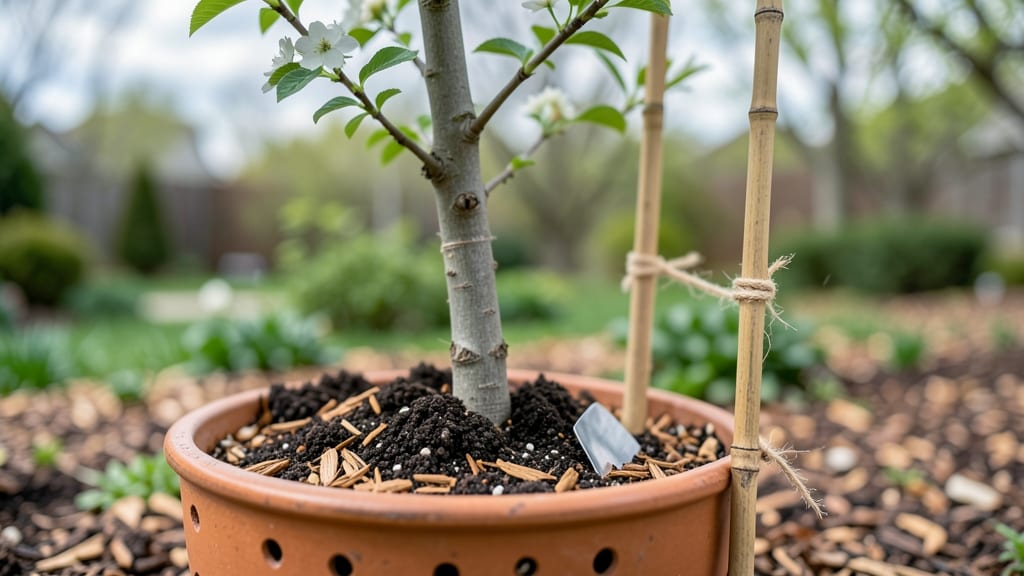
Growing a dogwood tree in a container lets you enjoy its elegant blooms without yard space. 🌿 I’ve watched my container-grown dogwood thrive for years—its delicate spring flowers and glossy foliage make it the star of my patio.
The key is choosing the right pot, soil, and care routine to mimic its natural habitat. Start with a 15-gallon container (minimum) and well-draining soil mixed with compost. Dogwoods need consistent moisture but hate soggy roots, so water when the top inch feels dry.
Place it in morning sun with afternoon shade—too much direct sun scorches the leaves. By summer, you’ll see lush green growth and clusters of pink or white flowers. Prune lightly after blooming to shape the tree and remove dead branches.
The biggest challenge is root-bound issues, but repotting every 2-3 years keeps it healthy. This method works for patios, balconies, or even large indoor spaces with bright light. With the right care, your container dogwood will look just as stunning as its in-ground cousins.
📚 In This Guide
- What you need
- Instructions
- Tips and common mistakes
- Wrapping up and next steps
What you need
- ○ Container: A large, durable pot (minimum 18–24 inches in diameter) with drainage holes. Terracotta or fiberglass is ideal for heat retention and weight. (Optional: Elevate with a saucer or stand for aesthetics.)
- ● Potting Mix: A well-draining, peat-based or bark mix (e.g., 60% peat moss, 30% perlite, 10% compost). ~3–5 gallons per container.
- ● Dogwood Tree: A dwarf or semi-dwarf variety (e.g., Cornus florida ‘Cherokee Brave’ or Cornus kousa ‘Milky Way’). Choose a 1–3 year-old sapling from a nursery.
- ● Drainage Layer: 3–4 inches of gravel or coarse sand (e.g., river rock) to prevent root rot.
- ● Mulch: 2–3 inches of pine bark or shredded leaves to retain moisture and regulate soil temp.
- ● Fertilizer: A balanced, slow-release granular fertilizer (10-10-10 or 20-20-20) or organic options like fish emulsion. (Apply sparingly—dogwoods are sensitive to excess nutrients!)
- ● Tools: Trowel or garden spade
- ● Gloves (to protect from thorns)
- ● Watering can or hose with a gentle spray nozzle
- ● Pruning shears (for shaping)
- ● Sunlight: Ensure your container gets 6+ hours of sunlight daily (partial shade for some varieties).
- ● Location: Place the pot where it’s protected from strong winds (use a windbreak if needed).
- ● Watering Access: Nearby access to water for deep, regular watering (containers dry out faster!).
- ● Seasonal Prep: If planting in spring or fall, avoid extreme temps (dogwoods dislike frost or heat stress).
Step-by-Step instructions for growing a dogwood tree in a container
Here's how to bring that graceful dogwood's beauty to your patio or balcony with minimal fuss.
🪴 Step 1: Select the Right Container and Drainage
Choose a container that's at least 18 inches wide and deep—dogwoods need room for roots to spread and grow downward. I like wide, shallow pots because they mimic the tree's natural woodland habitat. Make sure it has drainage holes; dogwoods hate soggy roots.
If your container lacks holes, drill them yourself—use a ½-inch drill bit and place holes along the bottom and sides. Line the bottom with 2-3 inches of gravel or broken pottery shards to create an air pocket and prevent soil compaction. This ensures excess water drains away quickly.
🌱 Step 2: Prepare the Soil Mix for Optimal Growth
Dogwoods thrive in well-draining, slightly acidic soil with a pH between 5.0 and 6.5. Mix 2 parts high-quality potting soil with 1 part perlite or coarse sand to improve aeration and drainage. Avoid garden soil—it compacts easily in containers and can suffocate roots.
Add a handful of compost or well-rotted leaf mold to the mix for nutrients. This helps the tree establish strong roots without overwhelming it with fertilizer right away. Moisten the soil mix until it's damp but not dripping—you should be able to squeeze a handful and see moisture, but it shouldn't leave water marks.
☀️ Step 3: Plant the Dogwood Tree Correctly
Gently remove the tree from its nursery pot and loosen the roots if they're circling. Place it in the container so the top of the root ball sits 1 inch below the rim. This gives you room to add soil without burying the trunk too deeply, which can cause rot.
Fill the container with your soil mix, pressing lightly as you go to eliminate air pockets. Water thoroughly until it drains from the bottom holes. The soil should feel evenly moist, but not soggy. After planting, place the container in a spot with partial shade—dogwoods appreciate morning sun and afternoon shade, especially in hotter climates.
💧 Step 4: Water and Maintain for Healthy Growth
Water your dogwood when the top 1-2 inches of soil feel dry to the touch. In containers, soil dries out faster than in the ground, so check daily during hot weather. Water deeply until it runs out the drainage holes, then empty the saucer to prevent root rot.
Fertilize lightly in spring with a balanced, slow-release fertilizer (10-10-10 or similar). Avoid heavy feeding—dogwoods grow slowly and prefer nutrient-rich but not overly fertile soil. Prune in late winter or early spring to shape the tree and remove any dead or crossing branches. Use clean, sharp pruners to make cuts just above a bud or branch collar.
⏰ Step 5: Overwintering and Long-Term Care
Before the first frost, move your container to a sheltered spot or wrap it in burlap or frost cloth to protect it from cold winds. Dogwoods can tolerate temperatures down to -20°F, but containers freeze faster than in-ground plants. Mulch the soil surface with 2-3 inches of straw or shredded leaves to insulate roots.
In early spring, remove the protective covering and check for signs of winter damage. Prune any dead branches and resume regular watering as new growth appears. With proper care, your container-grown dogwood will reward you with stunning spring blooms and lush foliage for years to come.
Tips & tricks for growing a thriving container dogwood
Here's what I've learned after helping several dogwoods thrive in containers—these simple adjustments make all the difference.
Container Size Matters: While the instructions call for an 18-inch container, I recommend going slightly larger if possible—think 20-22 inches. Dogwoods have shallow but wide root systems, and extra width helps prevent root binding. If you're limited on space, choose the widest container you can find rather than deeper ones, which can cause drainage issues.
Soil pH Test: The instructions mention slightly acidic soil (pH 5.0-6.5), but here's the thing: most potting mixes aren't naturally acidic. I always test my mix with a simple pH kit before planting. If your soil tests above 7.0, add a handful of peat moss or sulfur to lower the pH. This small step prevents nutrient deficiencies that can stunt growth.
Winter Protection Hack: For the -20°F tolerance mentioned in Step 5, here's a game-changer: place your container on a bed of straw or insulation boards before moving it to a sheltered spot. This extra layer of protection prevents the soil from freezing solid, which can kill roots. I've saved multiple trees this way during harsh winters.
Watering Visual Cue: When checking the top 1-2 inches of soil in Step 4, I use a wooden skewer instead of my finger. Stick it in—if it comes out clean, water's needed. If it has moisture, wait another day. This method prevents overwatering while keeping roots consistently moist, which is critical for container-grown trees.
Pro Tips for Dogwood Tree In Container
- Here's what I've learned after helping several dogwoods thrive in containers—these simple adjustments make all the difference.
- Container Size Matters: While the instructions call for an 18-inch container, I recommend going slightly larger if possible—think 20-22 inches.
- Soil pH Test: The instructions mention slightly acidic soil (pH 5.0-6.5), but here's the thing: most potting mixes aren't naturally acidic.
Frequently asked questions
Got questions about growing a dogwood tree in a container? You’re not alone! Here are some of the most common concerns—and their solutions—to help you cultivate a stunning, space-friendly specimen with confidence.
Can a dogwood tree thrive long-term in a container?
A dogwood tree can thrive in a container for years, but it’s not a forever solution. Choose a dwarf variety (like Cornus florida ‘Cherokee Brave’) and upgrade to a 15–20 gallon pot every 3–5 years. Root-bound trees struggle—watch for stunted growth or yellowing leaves as red flags. Pro tip: Prune roots gently during repotting to encourage healthier growth!
When is the best time to plant a dogwood in a container?
Plant your container dogwood in early spring or fall when temperatures are mild (50–70°F). Avoid extreme heat or frost, as these stress young roots. If buying potted, transplant immediately—dogwoods hate being root-bound. Winter care: Move containers to a sheltered spot and wrap the pot in burlap for insulation.
What’s the ideal container size and material for a dogwood?
Start with a 5–7 gallon pot for small varieties, scaling up to 15+ gallons for mature trees. Use fabric or plastic containers (they breathe better than clay) with drainage holes. Avoid shallow pots—dogwoods need 12+ inches of depth for root expansion. Bonus: Elevate pots slightly to prevent waterlogging.
Why isn’t my container dogwood blooming?
Dogwoods need full sun to partial shade (6+ hours/day) and consistent moisture to bloom. Check these first:
- Light: Move to a sunnier spot if leaves are sparse.
- Water: Let soil dry slightly between waterings (but never soggy!).
- Age: Young trees (under 3 years) may bloom lightly—patience!
- Fertilizer: Use a balanced, slow-release fertilizer in spring.
Are there dogwood alternatives for containers with even less maintenance?
If dogwoods seem high-maintenance, try these low-fuss container-friendly trees:
- Dwarf Japanese Maple (Acer palmatum ‘Dragon Lady’) – Thrives in shade, vibrant foliage.
- Olive Tree (Olea europaea ‘Little Ollie’) – Drought-tolerant, silvery-green leaves.
- Dwarf Crape Myrtle (Lagerstroemia ‘Natchez’) – Stunning summer blooms, heat-resistant.
- Boxwood (Buxus ‘Green Velvet’) – Evergreen, compact, and nearly indestructible.
Wrapping up and next steps
Growing a dogwood tree in a container is a rewarding way to bring natural beauty to small spaces—whether it’s a cozy patio, balcony, or urban courtyard. With the right pot, soil, and care, you’ll enjoy its stunning blooms and lush foliage year after year.
Don’t let limited space hold you back; your dream dogwood garden is just a few steps away! 🌿✨
Ready to get started? Pick your container, gather your supplies, and plant with confidence! Happy gardening! 🌱