
Container Gardens
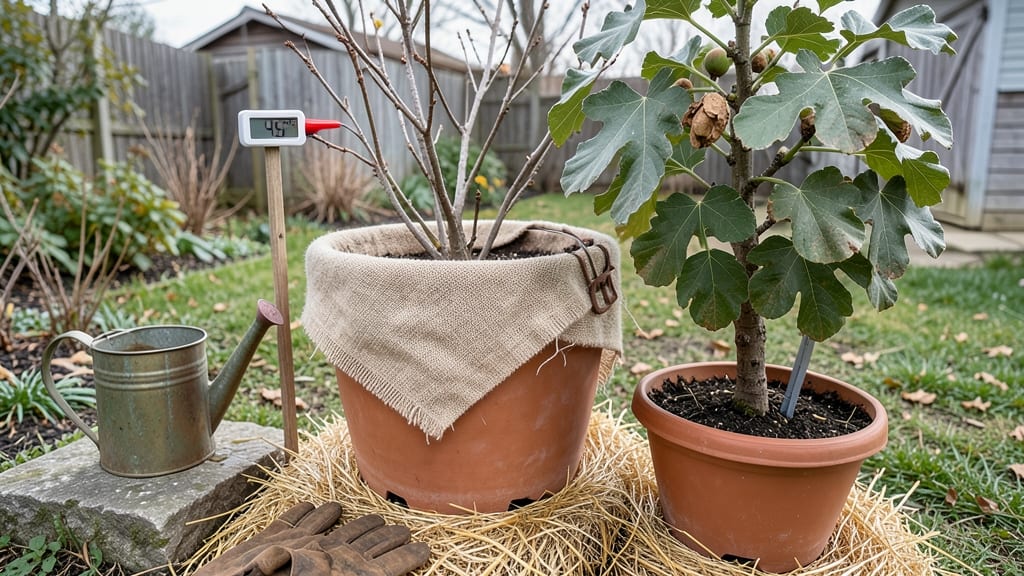
Your potted fig tree’s winter care starts with one critical move: move it indoors before the first frost hits. I’ve watched figs suffer from cold snaps—drooping leaves, blackened branches—but this simple shift saves them every time.
The key isn’t just shelter; it’s mimicking the Mediterranean climate they crave: bright light, cooler temps, and less water.
Fig trees hate soggy roots in winter, so cut back watering to once every 2-3 weeks—only when the top inch of soil feels dry. Place it near a south-facing window where it gets 6+ hours of sunlight daily, or supplement with a grow light.
Avoid heat vents or drafts; they’re sensitive to sudden temperature swings, which can shock them into early budding (and wasted energy).
Pruning comes next: trim back any dead or overcrowded branches in early spring (not winter), but you can give it a light shape-up indoors if it’s looking leggy.
The real magic happens in late winter when you’ll see those first pinkish buds—a sure sign it’s ready to burst into growth. That’s when you’ll know your winter care paid off.
Common mistakes? Overwatering (the #1 killer) and moving it too early or too late. Wait until nighttime temps stay above 40°F before bringing it in, and don’t rush it back outside until all frost risk has passed.
Patience here means a bigger, healthier tree by summer—and fewer sad, wilted branches in your future.
📚 In This Guide
- What you need
- Instructions
- Tips and common mistakes
- Wrapping up and next steps
What you need
- ● Indoor or semi-outdoor space: A bright, draft-free area (e.g., garage, sunroom, or covered porch) with minimum 50°F (10°C) temperatures.
- ● Potting mix: Well-draining, slightly acidic mix (pH 6.0–7.0). Use 10–15 lbs (4.5–7 kg) for a standard 15–20 gallon pot.
- ● Watering can or hose: With a fine nozzle for gentle hydration.
- ● Pruning shears: Sharp, sterilized shears (or small handsaw for thicker branches).
- ○ Mulch (optional but helpful): 1–2 inches of straw, pine needles, or bark chips to insulate roots.
- ● Grow lights (if indoors): LED or fluorescent lights (12–16 hours/day) for low-light conditions.
- ● Fertilizer: Balanced, slow-release fertilizer (e.g., 10-10-10) or organic options like composted manure.
- ● Pot with drainage holes: Ensure it’s at least 12 inches deep for established trees.
- ● Humidity tray: A shallow tray with pebbles and water to boost air moisture.
- ● Root stimulator: Mycorrhizal fungi or seaweed extract to support dormant roots.
- ● Thermometer: To monitor temperature swings (aim for 40–60°F (4–15°C)).
- ● Windbreak: Burlap or a temporary screen if placing outdoors in windy areas.
Step-by-step instructions for potted fig tree winter care
Here's how I keep my potted fig trees alive and thriving through winter—no guesswork, just proven techniques.
Move the Tree to a Sheltered Location
Find a spot that gets at least 6 hours of sunlight daily but is protected from harsh winds and freezing temperatures. A garage, basement, or covered patio works well, as long as it stays above 40°F—figs hate cold drafts. I place mine near a south-facing window where it gets indirect light during the day.
If you must keep it outdoors, wrap the pot in bubble wrap or frost cloth to insulate the roots. The goal is to mimic the tree's natural dormancy period without exposing it to sudden temperature swings. Watch for any signs of stress—yellowing leaves or wilting means it's too cold.
Reduce Watering and Monitor Soil Moisture
Water only when the top 2 inches of soil feel dry to the touch. Overwatering in winter is a common mistake—figs in dormancy need far less moisture. I check the soil with my finger once a week and water sparingly, just enough to keep the roots from drying out completely.
If the pot is in a cold, dark space, reduce watering even further. The tree’s growth slows down, so it won’t need as much. A good rule of thumb: water about half as much as you did in summer. If the soil stays damp for more than a few days, hold off until it’s noticeably drier.
Prune Lightly to Encourage New Growth
Trim back any dead, diseased, or crossing branches with clean, sharp pruning shears. I focus on shaping the tree rather than heavy pruning—figs can be sensitive to aggressive cuts in winter. Remove no more than 20-30% of the foliage to avoid shocking the tree.
Prune just before dormancy sets in, around late fall, so the tree has time to heal before winter. Avoid pruning in late winter, as new growth can be damaged by unexpected cold snaps. If you see any weak or leggy branches, cut them back to encourage stronger growth in spring.
Fertilize Sparingly for Spring Prep
Apply a balanced, slow-release fertilizer in early winter (around December) to give the tree a gentle nutrient boost. I use a 10-10-10 formula at about half the recommended strength—figs don’t need heavy feeding during dormancy. Water the tree thoroughly after fertilizing to help the nutrients absorb.
Skip any additional fertilizer until spring, when new growth begins. Over-fertilizing in winter can lead to weak, spindly growth or even root burn. If your fig tree looks healthy but sluggish, a single light feeding is enough to carry it through until warmer weather.
Check for Pests and Adjust Care as Needed
Inspect the tree regularly for signs of pests like spider mites or scale insects, which can hide in dormant foliage. Wipe down leaves with a damp cloth if you spot any webbing or sticky residue. A mild insecticidal soap spray can help if pests are present, but avoid harsh chemicals that might stress the tree further.
If the tree drops leaves early or looks wilted, it might be too cold. Move it to a warmer spot immediately. By late winter, you’ll start seeing tiny buds forming—that’s your signal to gradually increase watering and light exposure. Once spring arrives, you can resume normal care and watch your fig tree burst back to life.
Tips & tricks for perfect potted fig tree winter care
Here's what nobody tells you about keeping your fig tree happy through winter—these little adjustments make all the difference between a struggling plant and one that bursts back to life in spring.
Light Balance: That 6 hours of sunlight daily is non-negotiable, but here's the trick: position your tree near a south-facing window where it gets bright but indirect light. Direct winter sun can scorch delicate leaves, while too little light weakens the tree. If your space gets harsh afternoon sun, use a sheer curtain to diffuse it while still maintaining light exposure.
Temperature Watch: Keeping above 40°F is critical, but sudden drops below 32°F can still damage roots even if the air stays warm. I place a small thermometer near my tree to monitor overnight temps. If your home gets chilly at night, move the pot to a slightly warmer room or use a small space heater on low setting near the base—just don't let it blow directly on the tree.
Soil Moisture Secret: The "top 2 inches dry" rule works, but here's the real test: stick your finger 2 inches deep—if it feels cool and slightly damp, wait another day. In winter, fig roots slow their activity dramatically, so they need far less water than in summer. I've ruined trees by overwatering in winter, thinking they needed constant moisture like in growing season.
Pruning Precision: When you're trimming back that 20-30% of foliage, focus on removing branches that cross or rub against each other. These create weak points where pests can enter. Also, cut just outside the branch collar (the swollen area where the branch meets the trunk) to prevent damage to the tree's healing tissue. I clean my pruners with rubbing alcohol between cuts to prevent spreading any potential diseases.
Pro Tips for Potted Fig Tree Winter Care
- Here's what nobody tells you about keeping your fig tree happy through winter—these little adjustments make all the difference between a struggling plant and one that bursts back to life in spring.
- Light Balance: That 6 hours of sunlight daily is non-negotiable, but here's the trick: position your tree near a south-facing window where it gets bright but indirect light.
- Temperature Watch: Keeping above 40°F is critical, but sudden drops below 32°F can still damage roots even if the air stays warm.
Frequently asked questions
How cold can potted fig trees tolerate before needing winter protection?
Most potted fig trees (like Ficus carica) can handle brief dips to 20–25°F (-6 to -4°C), but prolonged exposure below 28°F (-2°C) risks damage. Young trees or tender varieties (e.g., 'Brown Turkey') need extra protection—wrap pots in burlap, move them indoors, or use frost blankets. Monitor local forecasts and act early!
Can I leave my potted fig tree outside all winter?
It depends on your climate! In USDA Zones 8–10, figs often survive outdoors with mulch and windbreaks. But in colder zones (7 or below), potted figs must be moved to a sheltered spot (garage, porch, or unheated greenhouse) to prevent root freeze. If you must leave it outside, bury the pot in 6+ inches of mulch or use a protective cover.
Why are my fig tree’s leaves turning brown or dropping in winter?
Brown leaves or defoliation are normal for dormant figs, but check for these red flags:
- Overwatering (soggy soil = root rot). Let soil dry completely between waterings.
- Sunburn from harsh winter sun. Move pots to partial shade if leaves scorch.
- Pests (scale or spider mites) hiding under mulch. Inspect leaves and treat with neem oil if needed.
What’s the best indoor spot for a potted fig tree in winter?
Fig trees thrive in bright, cool conditions (50–60°F / 10–15°C). Ideal spots:
- A sunny window (south-facing) with 4–6 hours of light daily.
- A garage or basement with a grow light (12–14 hours/day) if natural light is dim.
- Away from heating vents or drafts—figs hate sudden temperature swings.
Should I prune my potted fig tree in winter?
Yes! Winter is the perfect time to prune figs while they’re dormant. Focus on:
- Removing dead, crossing, or weak branches to improve airflow.
- Trimming back overgrowth by 1/3 to encourage spring growth.
- Avoid heavy pruning if your tree is young or stressed—wait until early spring.
Wrapping up and next steps
With the right care, your potted fig tree can not only survive but thrive through winter—setting the stage for a vibrant spring! Remember, protection from cold, reduced watering, and occasional pruning are your best allies.
Now that you’re armed with these tips, take action—check your tree’s winter prep today and give it the cozy, care-filled rest it deserves. 🌿❄️
Ready to watch it flourish? Next, explore spring revival strategies to help your fig tree burst back to life with even more vigor!