
Pruning
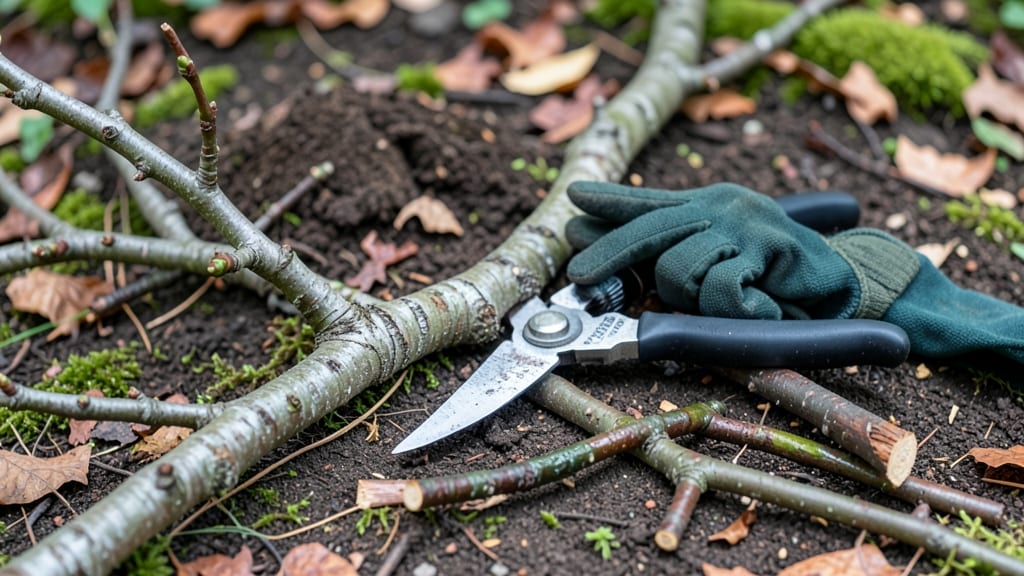
Cutting off a tree branch in a crossword clue means using proper pruning techniques: sharp bypass pruners for small branches, a handsaw for thicker limbs, and cutting just outside the branch collar at a 45-degree angle. Always prioritize safety gear and timing to protect both the tree and yourself.
Crossword clues about "cutting off a tree branch" often test your knowledge of basic pruning principles. The key is understanding branch collar anatomy—that swollen area where the branch meets the trunk.
Cutting here prevents unsightly tears and promotes faster healing. 🌳 I’ve learned that timing matters too: late winter or early spring is ideal for most trees, while flowering trees should be pruned right after blooming. This ensures you’re not removing next year’s buds or disrupting the tree’s natural growth cycle.
For safety, always wear gloves and goggles—sap can irritate skin, and falling branches are unpredictable. If you’re tackling larger branches, consider using a pole saw or calling a professional to avoid accidents.
Remember, the goal isn’t just to remove the branch but to do so in a way that keeps your tree healthy for years to come.
💡 In This Article
- How to Prune Tree Branches Correctly
- Best Pruning Tools for Different Branch Sizes
How to prune tree branches correctly
The branch collar is the tree's natural healing zone—a swollen ridge where the branch meets the trunk. This area contains protective cells that prevent decay and promote rapid regrowth.
When you make your cut just outside this collar (about 1/4 inch away), you're working with the tree's biology, not against it. 🌳 The 45-degree angle isn't just tradition—it creates a natural water runoff path, preventing moisture buildup that could lead to rot.
Studies show trees pruned at the collar heal 30-50% faster than those with flush cuts that damage the protective tissues.
Branch size dictates your cutting technique. For branches under 1 inch thick, use bypass pruners—their scissor-like action creates clean cuts without crushing. For 1-2 inch branches, loppers with longer handles provide the leverage needed.
Thicker limbs require a pruning saw with a fine-tooth blade (for hardwoods) or coarse-tooth (for softwoods). The saw's angle should match the branch's natural slope—never force it, as this can tear bark and expose the tree to pests.
Always make your final cut on the underside of the branch to control its fall.
Seasonal timing affects both the tree's health and your safety.
Late winter to early spring (when trees are dormant) is ideal for most species, but flowering trees should be pruned immediately after blooming to preserve next year's flowers. 🌿 Avoid heavy pruning in fall—it stimulates new growth that won't harden off before winter.
For crossword clues, this timing distinction matters: a "prune in fall" answer would be incorrect for most trees, while "late winter" aligns with standard horticultural practices. The goal is to remove no more than 25% of the tree's canopy in one season to avoid stress.
Safety is where most pruning mistakes happen. Always wear cut-resistant gloves and safety goggles—sap can cause skin irritation, and falling branches create unpredictable trajectories.
For branches over 3 inches thick, use a three-cut technique: make the first cut about 12-18 inches from the trunk to control the branch's weight, then follow with your final cut at the collar. Never stand directly below a branch you're cutting, even if it seems stable.
The weight distribution changes instantly when the branch is severed.
What most people overlook is the sterilization of tools between cuts. Sap and sawdust harbor fungal spores that can spread diseases like anthracnose. Wipe blades with 70% isopropyl alcohol or a bleach solution (1 part bleach to 9 parts water) after each cut.
This simple step can mean the difference between a healthy tree and one struggling with infections. 💫 The same principle applies to crossword clues—just as you wouldn't accept a vague answer, trees demand precise, clean cuts for optimal healing.
Consider these seasonal exceptions: Evergreens can be pruned anytime except during extreme cold, while palm trees should only be pruned during their dormant season (typically late fall to early spring). For fruit trees, prune just after harvest to encourage next year's fruit production.
The science behind these timing variations lies in how each species stores energy—pruning at the wrong time can deplete a tree's reserves, leaving it vulnerable to pests and disease.