
Pruning
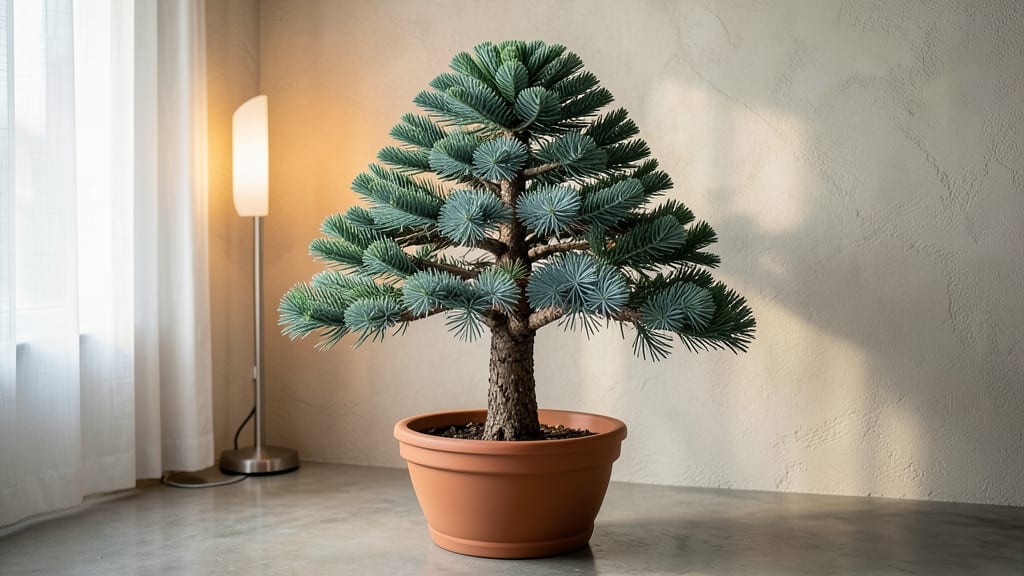
A Christmas tree in a flower pot brings holiday cheer to your patio, balcony, or porch—no yard required. 🌲 I've transformed my tiny urban space into a year-round winter wonderland by growing dwarf conifers in decorative containers, and the results are nothing short of magical.
The secret lies in choosing the right tree—dwarf Alberta spruce or mugo pine thrive in pots—and styling it with seasonal decor. You can switch out ornaments for fresh greenery in spring, creating a living centerpiece that evolves with the seasons.
My 18-inch pot tree now hosts both holiday lights and springtime blooms. What you'll love most is how this approach turns a seasonal decoration into a permanent garden feature.
The scent of pine needles, the rustle of branches in the breeze, and the way it transforms your outdoor space—it's holiday magic you can enjoy 365 days a year. Perfect for small spaces, renters, or anyone who wants to skip the annual tree hunt.
Here's how to make it work without the hassle or mess of traditional holiday decorating.
📚 In This Guide
- What you need
- Instructions
- Tips and common mistakes
- Wrapping up and next steps
What you need
- ● Flower pot: 1 large, sturdy pot (12–18" diameter) with drainage holes. Pro tip: Terracotta or ceramic adds rustic charm! 🏺
- ○ Potting soil: 3–5 gallons of well-draining, acidic mix (pH 4.5–6.0). Optional: Add 1 part perlite or orchid bark for aeration.
- ● Christmas tree: Dwarf conifer (e.g., Picea pungens ‘Glauca Globosa’): 1–2 mature plants (3–5 ft tall).
- ● OR Fresh-cut evergreen boughs (e.g., pine, spruce, or fir): 3–5 bundles (6–12" long each).
- ● Decorative accents: Miniature ornaments (5–10 pieces)
- ● Fairy lights (battery-operated, waterproof)
- ● Ribbon or twine (for wrapping)
- ● Trowel or garden fork (for planting)
- ● Pruning shears (for trimming boughs)
- ● Spray bottle (to mist foliage)
- ○ Optional: Gravel or decorative stones (for drainage layer)
- ○ Optional: Slow-release fertilizer (for potted trees)
- ● Sunlight: Partial shade to full sun (depends on tree type).
- ● Watering schedule: Keep soil moist but not soggy (especially for fresh boughs).
- ● Patience: Fresh boughs last 2–4 weeks; potted trees thrive long-term with care!
Step-by-step instructions for growing a Christmas tree in a flower pot
Turn your patio or porch into a year-round holiday scene with this compact, easy-to-care-for tree.
🪴 Step 1: Choose the Right Tree and Container
Select a dwarf or mini Christmas tree variety—Norway spruce, Fraser fir, or Colorado blue spruce work beautifully in pots. These stay small (typically 3-5 feet tall) but keep their classic shape. Avoid full-sized trees; their roots will outgrow any container within a year.
Pick a container with drainage holes and a depth of at least 12 inches—deeper is better for stability. I like 18-24 inch diameter pots because they give roots room to spread without becoming top-heavy. Terra cotta keeps roots cooler in summer, but plastic retains moisture better if you forget to water.
🌱 Step 2: Prepare the Potting Mix and Plant
Use a blend of 50% peat-based potting mix and 50% perlite or coarse sand for drainage. Avoid garden soil—it compacts and suffocates roots. Fill the pot 2/3 full, then place the tree's root ball in the center, ensuring the base sits 1 inch below the rim for stability.
Gently press the mix around the roots to remove air pockets, then water until it drains freely from the bottom. Don’t pack it down—you want the soil to stay loose but supportive. If the tree leans, adjust it now before backfilling. A slight tilt is fine, but avoid sharp angles that could break branches.
☀️ Step 3: Position for Light and Shelter
Place your potted tree where it gets 4-6 hours of morning sun and afternoon shade—too much direct afternoon sun dries out needles faster. A covered porch or patio works perfectly. In winter, move it to a sheltered spot (like under an awning) to protect it from wind, which desiccates needles quickly.
Check soil moisture weekly by sticking your finger 1 inch deep. If it feels dry, water thoroughly until water runs out the drainage holes. Overwatering is the biggest mistake—roots rot faster in containers than in ground soil. Let the top 1/3 of soil dry out between waterings, but never let it get bone-dry.
💧 Step 4: Maintain Year-Round with Seasonal Care
In spring and summer, fertilize every 4-6 weeks with a slow-release, acid-loving plant fertilizer (like 10-10-10). These trees thrive in slightly acidic soil—aim for a pH of 5.0-6.0. Prune only to remove dead branches or those rubbing together; avoid heavy trimming, as it stresses the tree.
In fall, reduce watering slightly as temperatures drop. Mist the needles occasionally if your home has dry indoor air—this mimics natural humidity. For winter, if temperatures dip below 20°F, wrap the pot in burlap or move it to an unheated garage (but not below 30°F). A light dusting of snow is fine, but heavy ice can damage branches.
✂️ Step 5: Decorate and Refresh for Next Year
After the holidays, gently remove ornaments and lights. Brush off old tinsel or dried decorations with a soft brush—never shake the tree, or you’ll lose needles. In early spring, trim any browned needles at the base with clean pruners. If the tree looks leggy, prune back 1/3 of the longest branches to encourage bushier growth.
Repot every 2-3 years in spring if roots circle the pot. Choose a container only 2 inches larger in diameter—bigger pots slow growth and increase watering demands. Refresh the top 2 inches of soil with fresh mix to replenish nutrients. With this care, your potted Christmas tree will stay lush and festive for years.
Tips & tricks for perfect Christmas tree in flower pot
Here's what nobody tells you about keeping your potted Christmas tree thriving year after year.
Container Stability: When selecting your pot, opt for one with a wide base—even if it means going slightly larger than the 18-24 inch recommendation. I learned this the hard way after watching a 20-foot storm topple my tree in a narrow pot. A pot with a diameter-to-height ratio of 2:1 or better prevents tipping. If your space is limited, anchor the pot with decorative bricks or weights hidden beneath the saucer.
Soil Science: That 50/50 peat-perlite mix is non-negotiable for drainage, but here's the secret: add a handful of horticultural charcoal to the mix before planting. It prevents fungal growth in the compacted root zone—something I wish I'd known when my first tree developed root rot. The charcoal also helps neutralize any acidic buildup from the fertilizer, keeping that pH between 5.0-6.0 naturally.
Winter Survival: The 20°F threshold isn't just about frostbite—it's when needles start losing moisture through transpiration. When temps drop below this, wrap the pot in burlap or frost cloth (not plastic!) to create a microclimate. I've seen trees survive down to 15°F with this method, but never below 30°F—cold soil can shock the roots. Pro tip: Leave the top 2 inches of soil exposed to prevent waterlogging during thaws.
Pruning Strategy: When you trim those leggy branches in spring, cut just above a healthy bud or branch junction—never leave stubs. I used to make this mistake and ended up with unsightly regrowth. For bushier growth, focus on the outer third of the tree first, as these branches get the most light. This mimics natural pruning and keeps your tree's classic shape without stressing it.
Pro Tips for Christmas Tree In Flower Pot
- Here's what nobody tells you about keeping your potted Christmas tree thriving year after year.
- Container Stability: When selecting your pot, opt for one with a wide base—even if it means going slightly larger than the 18-24 inch recommendation.
- Soil Science: That 50/50 peat-perlite mix is non-negotiable for drainage, but here's the secret: add a handful of horticultural charcoal to the mix before planting.
Frequently asked questions
Got questions about keeping your Christmas tree in a flower pot alive and thriving? You’re not alone! Here are answers to the most common queries—from timing to troubleshooting—so you can enjoy your festive green friend year-round.
Can I keep a Christmas tree in a flower pot long-term?
Many evergreens like Norfolk Island pine or Dwarf Alberta spruce thrive in pots with proper care. Just ensure the pot has drainage holes, use well-draining soil, and repot every 2–3 years. Prune lightly after holidays to encourage bushier growth. Pro tip: Rotate the pot occasionally for even sunlight exposure!
When should I plant my potted Christmas tree outdoors?
Wait until spring (after the last frost) to transplant outdoors. Harden off the tree first by placing it in a sheltered spot for a week. Choose a partially shaded area with moist, acidic soil. Water deeply after planting and mulch to retain moisture. Warning: Avoid transplanting during winter—roots are vulnerable to cold!
What if my potted tree loses needles after the holidays?
Needle drop is normal post-holidays due to stress from dry indoor air and lights. To revive it:
- Trim any brown branches with clean pruners.
- Move it to a cooler, humid spot (like a bathroom or greenhouse).
- Water thoroughly but avoid soggy soil.
Are there alternatives to traditional Christmas trees for pots?
Yes! Consider these low-maintenance options:
Plant
Why It Works
Dwarf Blue Spruce
Cold-hardy, retains color year-round, and stays compact.
Italian Cypress
Slender shape mimics a tree, thrives in pots, and loves full sun.
Olive Tree
Drought-tolerant, evergreen, and adds Mediterranean charm.
Why are the leaves on my potted tree turning yellow?
Yellowing leaves usually signal overwatering or nutrient deficiency. Check the soil—it should be slightly moist but not soggy. If roots smell rotten, repot in fresh soil. For nutrients, use a balanced fertilizer (like 10-10-10) in spring and summer. Fix: Flush the soil with water to remove excess salts!
Wrapping up and next steps
Transforming your Christmas tree into a year-round centerpiece in a flower pot isn’t just creative—it’s a celebration of holiday magic without the seasonal stress!
Whether you’re pruning for shape, repurposing branches, or embracing a tiny, evergreen oasis, this project proves that festive cheer can thrive in even the coziest corners. 🌲✨
Ready to dive in? Start by gathering your tools and a vision—then let your green thumb (or holiday spirit!) guide the way. Your next step? Sketch a quick design or snap a photo of your tree for inspiration before you begin.
The best part? Your "Christmas tree in a pot" will keep giving joy, long after the tinsel comes down!