
Pruning
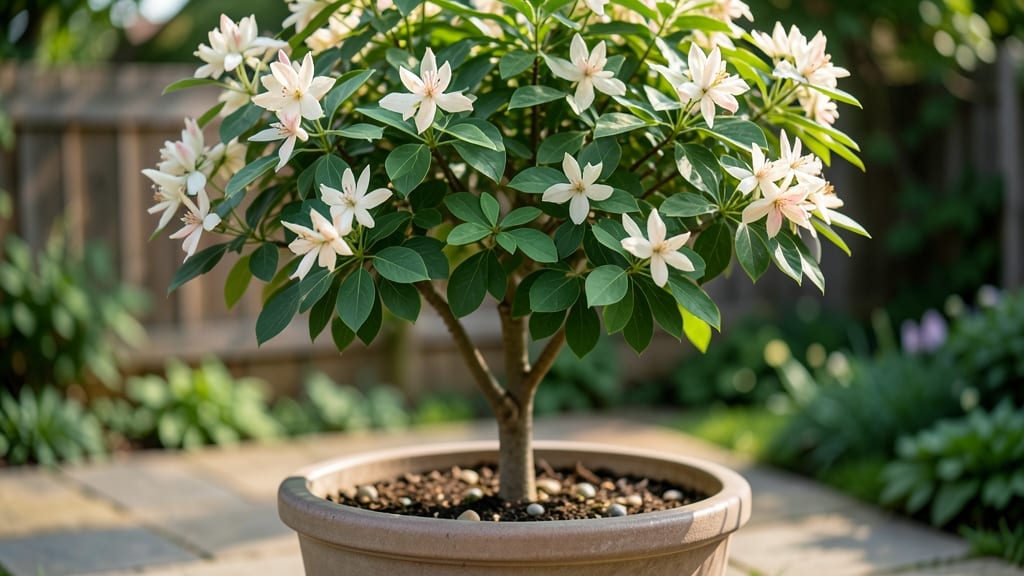
A dogwood tree in a pot brings spring's elegant blooms to patios and balconies where trees never grew before. 🌸 I've grown mine for five years now, and the secret to its thriving isn't just the right pot—it's understanding how these trees handle confinement differently than their in-ground cousins.
The first year, my Cornelian cherry dogwood nearly outgrew its space, but with proper pruning and root management, it now produces vibrant pink blossoms every April without struggling.
Container dogwoods need three things most gardeners overlook: adequate drainage, a pot 12-18 inches wider than the root ball, and a well-draining soil mix that mimics woodland conditions.
I use a blend of 50% potting soil, 30% perlite, and 20% compost, which keeps roots healthy while preventing the waterlogging that kills potted trees. The right variety matters too—dwarf cultivars like 'Spring Cheer' or 'Rut's Choice' handle pots best, while larger types need professional-sized containers.
What you'll love most is how these trees transform your space: their glossy foliage stays lush all summer, and with proper winter care (like moving pots to sheltered areas), they return year after year.
The pruning I do in late winter—removing one-third of last year's growth—keeps them compact and encourages that spectacular spring bloom. Even in small spaces, they become the centerpiece that neighbors notice.
Here's where most people stumble: root-bound trees show yellow leaves by summer, and pests like spider mites thrive in dry potting mixes. The solution? Repot every 2-3 years in spring, and mist leaves weekly during dry spells.
With these adjustments, your potted dogwood will outlive store-bought annuals by decades—and still look like it belongs in a forest.
📚 In This Guide
- What you need
- Instructions
- Tips and common mistakes
- Wrapping up and next steps
What you need
- ● Dogwood tree (Cornus florida or Cornus kousa) – Choose a container-friendly dwarf variety (e.g., 'Cherokee Brave' or 'Rutledge').
- ○ Pot – A 15–20 gallon container with drainage holes (terracotta or plastic). Optional: Self-watering pots for convenience.
- ● High-quality potting mix – A blend of 50% peat moss, 30% perlite, and 20% compost (or a pre-mixed acidic, well-draining formula for azaleas/camellias).
- ○ Slow-release fertilizer – 10-10-10 NPK ratio (1–2 tbsp per pot). Optional: Organic options like fish emulsion.
- ● Mulch – 2–3 inches of pine bark or wood chips (keeps roots cool and retains moisture).
- ● Pruning shears – Bypass pruners (sharp, clean, and sterilized with rubbing alcohol to prevent disease).
- ● Gloves – Heavy-duty gardening gloves (dogwood thorns are no joke!).
- ● Watering can or hose with nozzle – For deep, gentle watering (avoid soggy soil!).
- ● Trowel or small shovel – For repotting or amending soil.
- ● Sunlight assessment – Confirm your spot gets partial shade (4–6 hours of dappled sun) or morning sun (dogwoods hate harsh afternoon rays!).
- ○ Support (optional) – A small stake or trellis if your dogwood is young and top-heavy.
How to grow a dogwood tree in a pot with year-round care
Container-grown dogwoods thrive with the right approach—here’s how to keep yours healthy and stunning through every season.
🪴 Step 1: Select the Right Pot and Soil Mix
Choose a 15-20 gallon container with drainage holes—dogwoods resent soggy roots. I opt for glazed ceramic or high-quality plastic to balance weight and durability. The pot must be at least 24 inches deep to accommodate the tree’s extensive root system.
Use a well-draining potting mix blended with 30% perlite or orchid bark to prevent compaction. Avoid garden soil—it compacts in containers and suffocates roots. Mix 2 parts premium potting mix with 1 part compost for nutrients without heaviness. Test the moisture: squeeze a handful—it should hold shape but not drip.
🌱 Step 2: Plant Your Dogwood with Proper Spacing and Support
Place your dogwood in the pot so the root flare (where roots meet trunk) sits just above soil level. This prevents rot and encourages strong growth. Backfill with your mix, pressing gently to eliminate air pockets but avoiding compaction.
Stake the tree only if needed—dogwoods are sturdy, but a 4-foot bamboo stake and soft tree tie provide peace of mind in windy spots. Water deeply until moisture runs from the drainage holes, then let excess drain completely. Mulch the surface with 2 inches of bark chips to retain moisture and regulate temperature.
☀️ Step 3: Position for Sunlight and Seasonal Adjustments
Dogwoods prefer morning sun and afternoon shade—a spot with 4-6 hours of indirect light daily works best. In summer, move the pot to a shaded patio or balcony to prevent leaf scorch. Watch for yellowing leaves or crispy edges—these are your cues to adjust placement.
During winter, protect the pot from freezing temperatures below 10°F. Wrap the container in bubble wrap and place it against a south-facing wall for passive heat. Avoid fertilizing in winter—dogwoods enter dormancy and need rest to bloom beautifully in spring.
✂️ Step 4: Prune Strategically for Shape and Health
Prune right after flowering (late spring) to avoid cutting off next year’s blooms. Remove dead, crossing, or weak branches first—these compete with healthy growth. Use clean, sharp pruners to make cuts at a 45-degree angle just above a bud or lateral branch.
Shape the tree by thinning out overcrowded branches to improve airflow. Never remove more than 25% of the canopy in one season—this stresses the tree. After pruning, apply a balanced 10-10-10 fertilizer to support new growth. Water deeply to help the tree recover.
💧 Step 5: Water and Feed for Container Success
Water when the top 2 inches of soil feel dry—stick your finger in to check. Dogwoods in pots dry out faster than in-ground trees. In summer, water every 2-3 days, but adjust for heat waves or rain. Overwatering is worse than underwatering—yellow leaves or mushy roots signal too much moisture.
Feed twice a year: once in early spring with a slow-release fertilizer and again after flowering. Avoid high-nitrogen fertilizers—they promote leafy growth at the expense of blooms. A low-nitrogen, high-phosphorus formula (like 5-10-5) encourages vibrant flowers and strong roots.
Tips & tricks for perfect container-grown dogwoods
These pro strategies will help your potted dogwood thrive year-round—no green thumb required.
Root Health First: The 24-inch depth requirement isn't arbitrary—dogwood roots need space to breathe. If repotting, choose a container that's only 2-3 inches larger in diameter than the root ball. Larger pots create excess soil volume that stays damp too long, inviting root rot. I've seen dogwoods struggle in oversized pots where the roots can't reach all the moisture.
Soil Science Matters: That 30% perlite/orchid bark mix isn't just filler—it's insurance against compaction. I've had dogwoods fail when people skipped this step, thinking any potting mix would work. Test your moisture mix by squeezing: it should hold together but not drip. If it crumbles like sand, add more compost; if it sticks together like clay, add perlite. This balance prevents both drought stress and waterlogged roots.
Seasonal Light Strategy: The 4-6 hours of morning sun is critical for flowering, but afternoon shade prevents leaf scorch. I've learned this the hard way—dogwoods in full afternoon sun develop crispy edges that ruin their elegant appearance. Move your pot gradually if you're transitioning it to a new spot, about 10% more shade each week to avoid shocking the tree.
Winter Protection Hack: That 10°F threshold isn't just about freezing—the real danger comes from temperature swings. Wrap your pot in bubble wrap and place it against a south-facing wall to create a microclimate. I've seen dogwoods survive -5°F nights this way, as the wall absorbs daytime heat and releases it slowly. Just remember to remove the wrap in early spring before new growth starts.
Pro Tips for Dogwood Tree In Pot
- These pro strategies will help your potted dogwood thrive year-round—no green thumb required.
- Root Health First: The 24-inch depth requirement isn't arbitrary—dogwood roots need space to breathe.
- Soil Science Matters: That 30% perlite/orchid bark mix isn't just filler—it's insurance against compaction.
Frequently asked questions
Got questions about keeping a dogwood tree in a pot thriving? You’re not alone! Here are answers to the most common concerns—from pruning to placement—so you can enjoy your potted beauty year-round.
Can a dogwood tree thrive long-term in a pot?
A dogwood tree can live in a pot for years, but it needs the right conditions. Choose a large, durable container (at least 20 gallons) with drainage holes, and use well-draining soil. Expect slower growth and more frequent pruning to manage size. Repot every 2–3 years to refresh nutrients and root space.
When is the best time to prune a potted dogwood?
Prune your potted dogwood right after flowering (late spring) to shape it and encourage new blooms. Avoid heavy pruning in fall or winter, as it can stress the tree. For container-grown trees, you can also do light shaping pruning in early summer to maintain its form.
How do I protect my potted dogwood in winter?
Dogwoods are semi-hardy, but potted trees need extra care in cold climates. Move the pot to a protected spot (like a garage or shed) before frost hits, or wrap it in burlap and cover with mulch. Ensure the container is elevated to prevent waterlogging, and avoid fertilizing in winter.
What’s the best soil mix for a potted dogwood?
Use a well-draining mix of 50% potting soil, 30% perlite or orchid bark, and 20% compost. Dogwoods hate soggy roots, so avoid heavy garden soil. Add a slow-release fertilizer in spring to support growth without overfeeding.
What if my dogwood’s leaves turn yellow or wilt?
Yellow leaves often signal overwatering or poor drainage. Let the top inch of soil dry out between waterings, and check for root rot (smelly, mushy roots). Wilting can also mean underwatering or heat stress. Move the pot to partial shade in hot afternoons and adjust watering accordingly.
Are there dwarf dogwood varieties better for pots?
Yes! Consider ‘Flame Dance’ or ‘Purple Pagoda’—both stay compact (6–8 feet tall) and thrive in containers. These varieties also offer vibrant foliage and flowers, making them perfect for patios or small gardens. Just ensure the pot is proportionate to the variety’s mature size.
Wrapping up and next steps
Growing a dogwood tree in a pot is a rewarding way to bring seasonal beauty to your space—whether it’s a balcony, patio, or indoor oasis! With the right pruning techniques, container size, and care, your tree will thrive year-round, offering stunning blooms and lush foliage. 🌸
Now that you’re armed with expert tips, roll up your sleeves and give your dogwood the love it deserves!
Start by assessing its current shape, then follow the pruning steps with confidence. Next up? Monitor its growth, adjust care as needed, and enjoy the fruits of your labor—literally, if you’re lucky enough for those edible varieties! Happy pruning! ✂️🌿